The Solar Ceiling: Why Energy Access Isn’t Enough
Over the past decade, solar systems and grid connections have expanded steadily across rural Kenya, reaching households and public institutions that previously had none. But as access has grown, a different challenge has come into focus: what that energy is actually able to support. In Namuncha Ranch, that distinction shapes everyday life.
By the time the sun sets, the difference between light and darkness is no longer just about time. It is about what can be done, what must wait, and what remains out of reach. For years, Emma Sintent lived within those limits.
As a smallholder agro-pastoralist who has spent more than a decade in the area, her economic livelihood is pegged from selling milk or manure, other times from livestock sales. Every expense must therefore be weighed carefully against what can be delayed or done without.
Electricity rarely featured in those calculations. Evenings were lit by kerosene lamps, fuelled by small quantities of kerosene purchased and carried over long distances. The light was limited, and when the fuel ran out, her children often had to look elsewhere for better places to study, while everyday tasks such as charging a phone or working after sunset remained uncertain.
Solar power entered that reality gradually. Emma had seen it in neighbouring homes, lights that stayed on after dark, phones that remained charged, and small but noticeable changes in how families used their evenings. Over time, it became an option she could no longer ignore.
When she finally made inquiries, the cost of a small solar system was about KES 70,000 which placed it well beyond her reach as a one-time purchase. What made it attainable was the financing model behind it. Through a pay-as-you-go (PAYGo) arrangement, she could install the system immediately and pay for it over time, sending KES 90 a day through her phone until the balance was cleared.
The impact was immediate. Her home had reliable lighting, allowing her children to study without interruption. She could charge her phone whenever necessary, making it easier to stay connected and participate in everyday economic activities. The household no longer shut down at sunset. Even security improved. In an area where darkness had once left her livestock vulnerable to predators, having light brought a greater sense of safety and control.
The Hidden Cost of Staying Connected
Yet what appears from a distance as a straightforward success carries a quieter tension beneath it. The access Emma gained is tied to a model that requires consistency in a life that is not always consistent. Income from agro-pastoralism fluctuates. Some days are manageable; others are not. The daily payment, while small in isolation, introduces a fixed obligation that does not adjust to those rhythms.
Across Kenya’s solar sector, PAYGo models have expanded access by lowering upfront costs, but they also shift financial pressure into the repayment period. Fixed, high-frequency payments are layered onto irregular income streams. When payments are missed, access is temporarily withdrawn, which some in the sector refer to as “dark days.” In these moments, energy is not absent because of a lack of need, but because of short-term liquidity constraints.
Over time, the cost of that access also accumulates in ways that are not always visible at the outset. While PAYGo can compare favourably to alternatives such as kerosene or diesel in the short term, it can result in a higher total cost over the life of the contract, with repayment amounts in almost all cases exceeding the retail price of the system.
Affordability may be achieved at the point of entry, but not always sustained across the full cost of ownership.
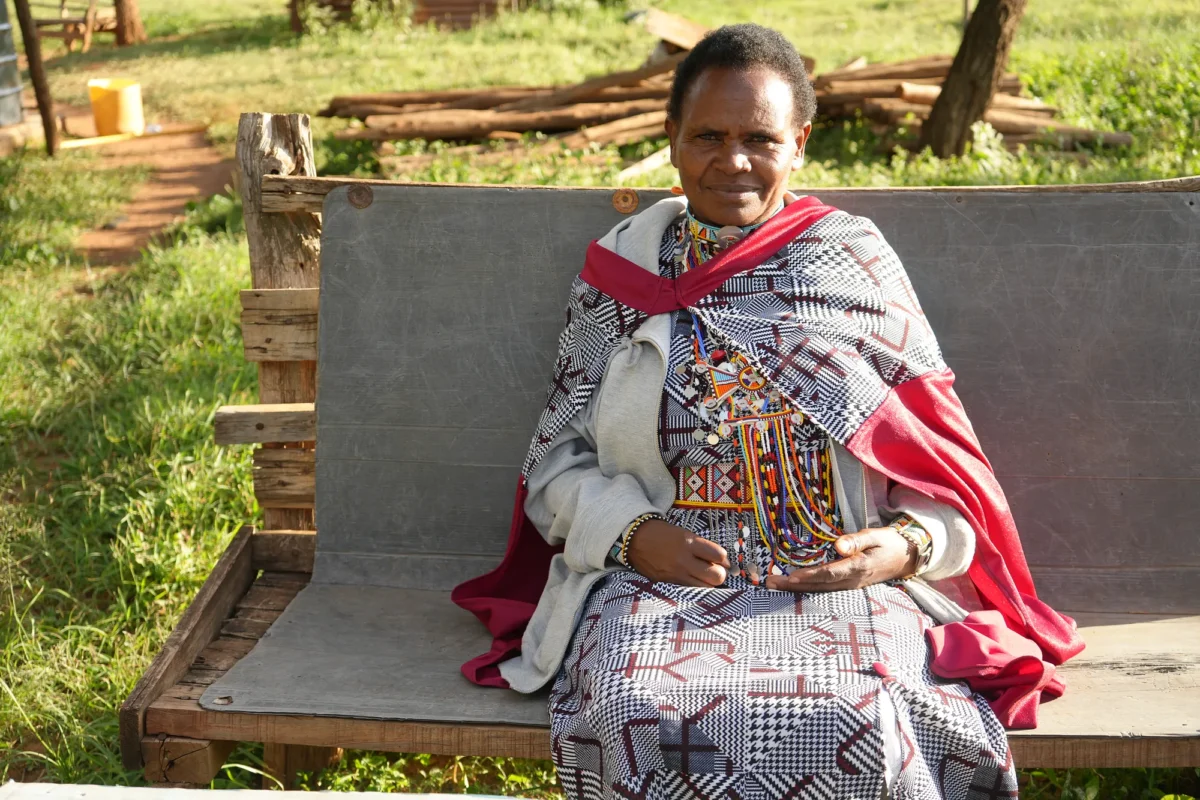
For Emma, the financial model is only part of the calculation. Trust plays an equally decisive role. She has previously paid for solar systems that stopped working. In some cases, systems were shut down even after she had completed payments, and efforts to have them repaired went unanswered. That experience lingers.
Her concern is not only whether she can maintain payments, but whether the system itself will endure, and what happens if it does not.
When I ask what she would choose given the option, she smiles. “Electricity would be better,” she says. “I would choose it any day.” For her, the preference is shaped by experience: not because electricity is always reliable, but because it is not tied to daily payments or the risk of being switched off when money is short, and because it allows for more flexible use beyond basic needs.
From Household Access to Community Systems
These constraints are not limited to individual households. They are reflected in how energy is structured and delivered across the community.
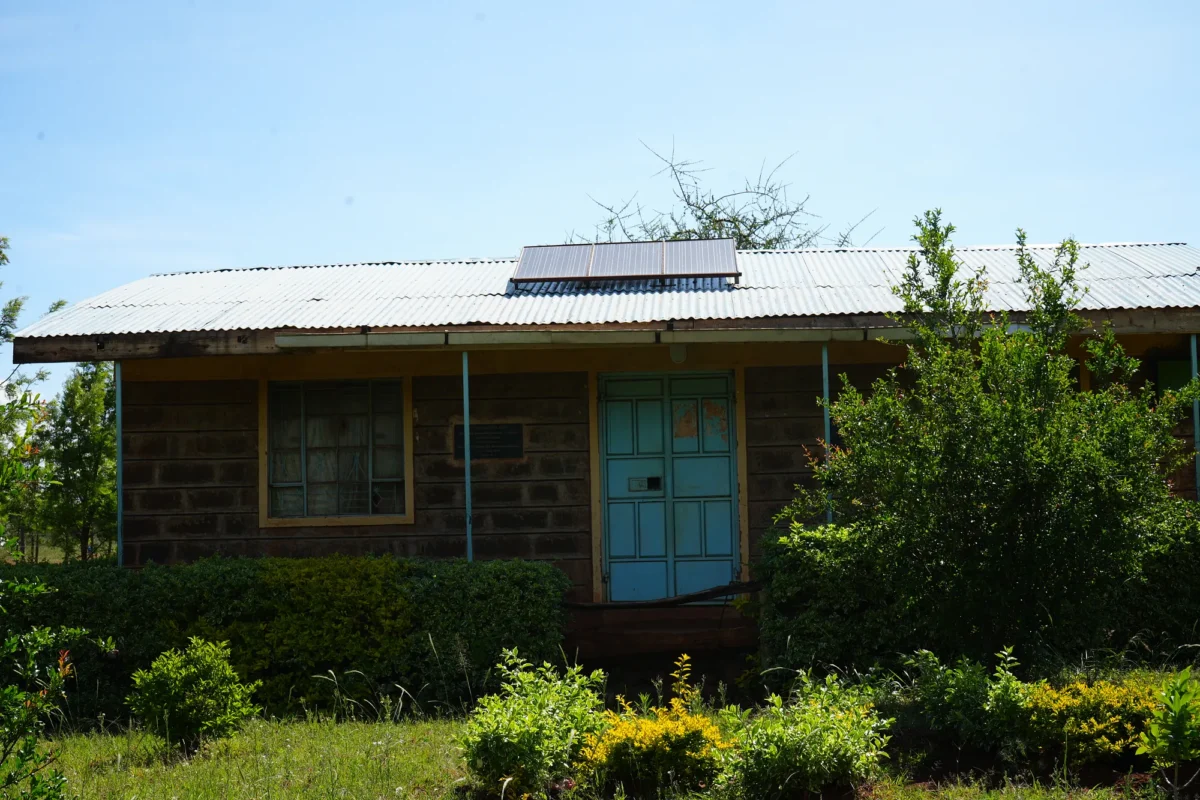
This becomes clearer at the local school, which serves an estimated 600 to 700 people from the surrounding area and has gradually become a central point for both energy access and service delivery. According to Dennis Mosite, Programs Director at A.I.C Kanan Child Development Centre and NGO at Kitilikini primary school, the community’s engagement with energy did not begin with electricity, but with solar.
“We installed solar in 2013,” he explains. “That is how the school was getting energy at the time.”
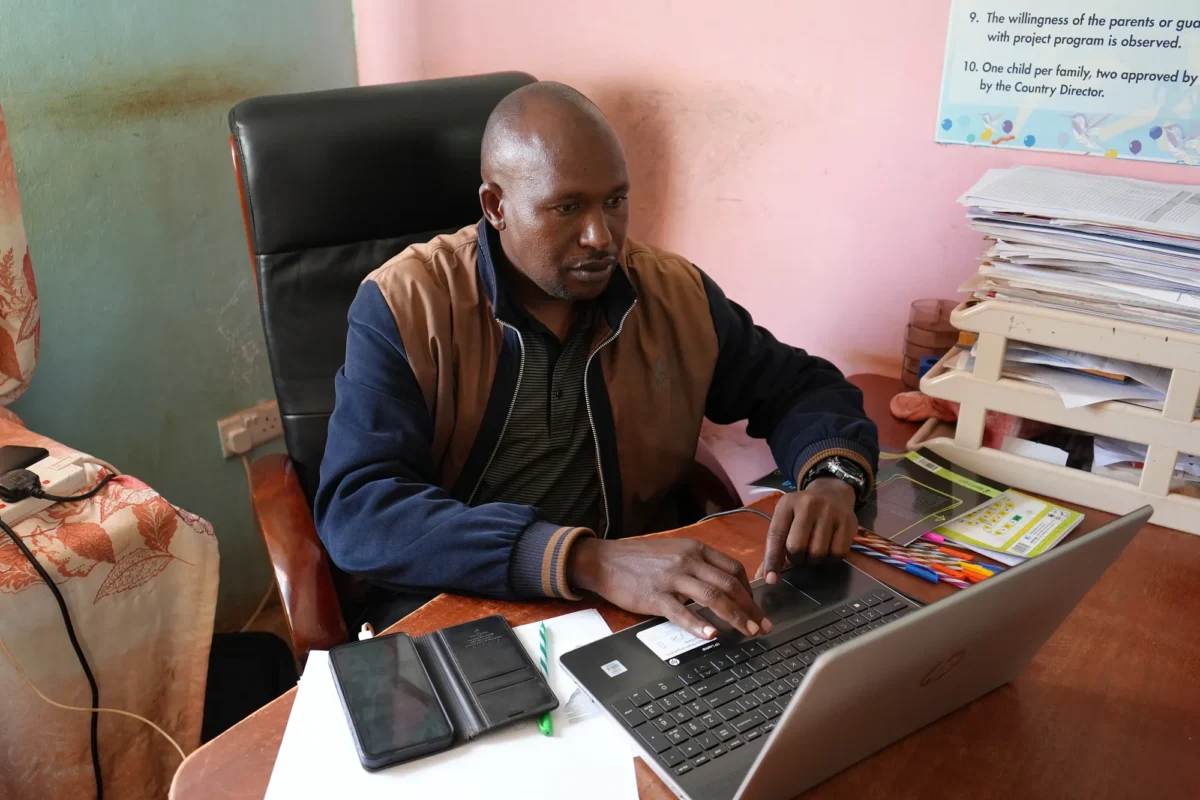
The system, supplied through Davis & Shirtliff and supported by the Compassion project, was primarily used for lighting. It allowed students to study after dark and supported basic school operations, but it did not extend beyond that. It was not used to pump water, run equipment, or support income-generating activities, and its impact remained largely within the school.
A few years later, during the administration of former president Uhuru Kenyatta, the government rolled out the Last Mile Connectivity programme, which aimed to connect public institutions such as schools to the national grid. The school in Namunche Ranch was connected as part of this effort, bringing a more stable source of electricity into the compound.
But that connection came with limits that are not immediately visible.
“The electricity is for the school,” Dennis says. “It is used for school activities.
In practice, this means that while the school has power, electricity does not extend to the surrounding community. It supports lighting, administration, and learning inside the school, but it cannot be used by households, nor can it be applied to activities outside the institution. For the wider population of 600 to 700 people, the presence of grid electricity at the school does not translate into access.
At the same time, the earlier solar system stopped working. The main issue was the cost of restoring it, particularly replacing key components.
“To bring it back, we need around KES 140,000- 180,000,” Dennis explains.
Without that investment, the system has remained non-functional, removing what had been a locally controlled source of energy, even if it had been limited in its use.
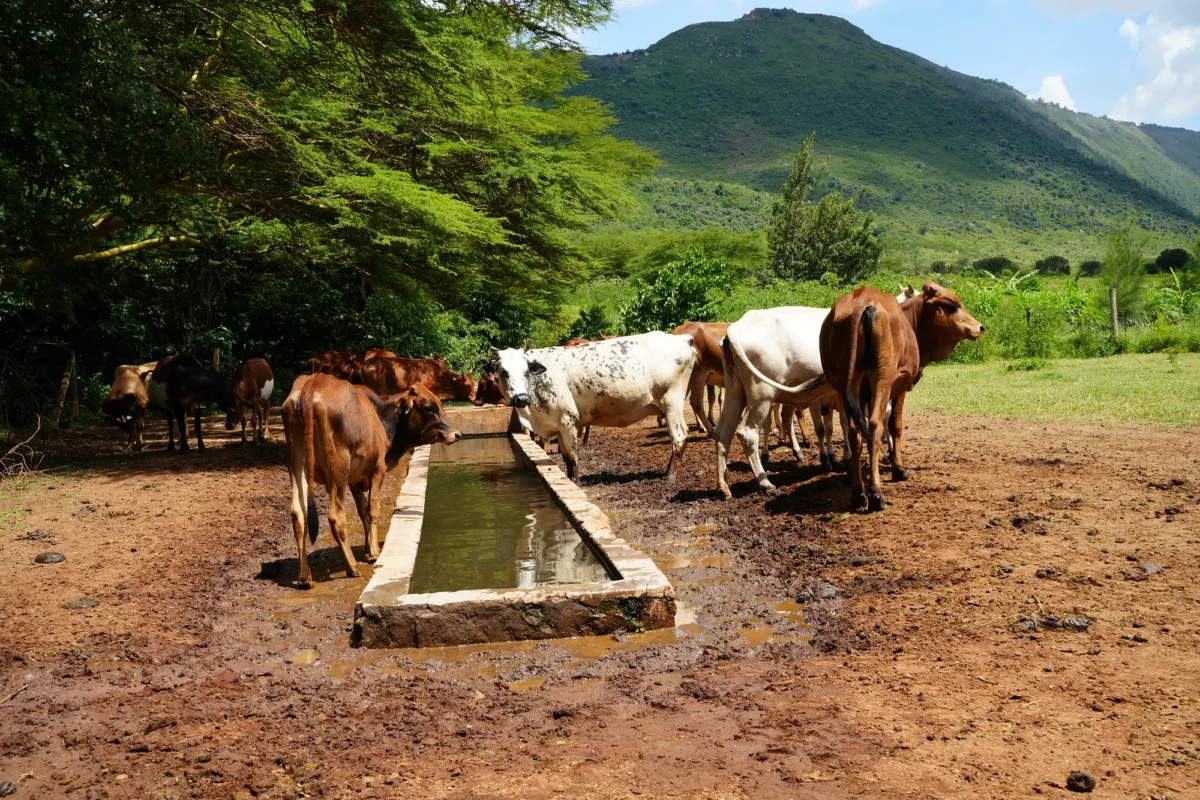
The only form of energy that extends beyond the school operates through a separate arrangement. A nearby factory, through an agreement with the school and the surrounding community, uses its solar installation to pump water to the school, where it is used internally but also made accessible to the wider population.
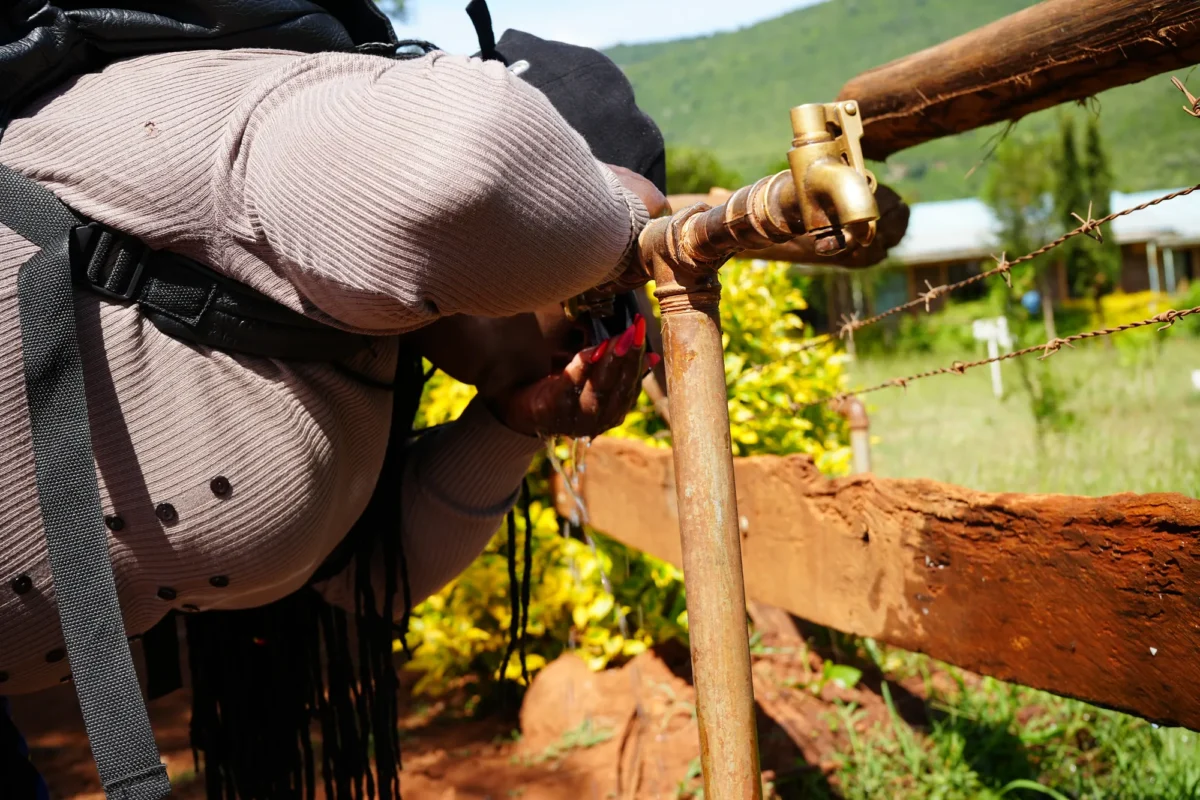
“If this solar agreement with the factory were not there, the community would not have access to water,” Dennis says. “They would be relying on donkeys to fetch it.”
This arrangement has become central to daily life, serving an estimated 600 to 700 people. It supports activities that go beyond basic consumption. Access to pumped water affects how livestock are managed, makes small-scale farming more viable, and reduces the time and physical effort required to secure water, creating space for other forms of work.
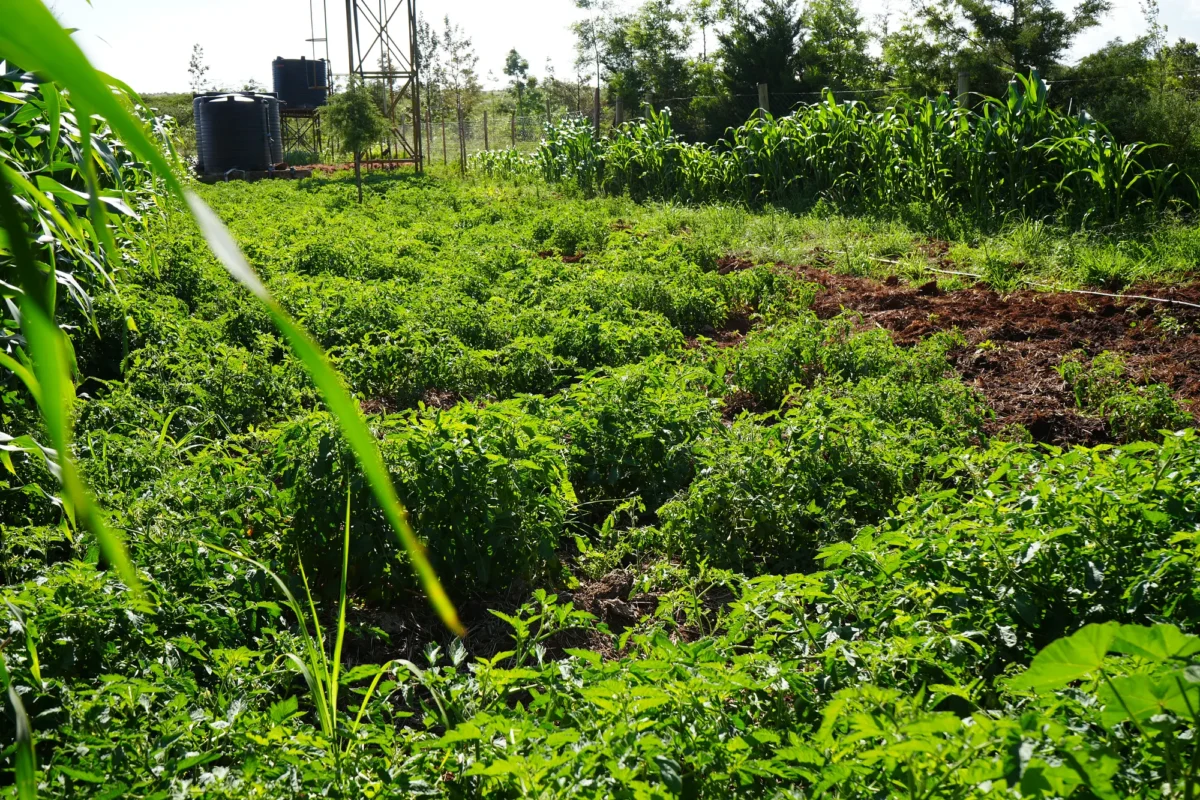
Within the school, there are also more contained examples of how energy can support production when it is applied differently. The school maintains a garden supported by this water access, and it operates an incubator that community members use to hatch chicks, allowing households to participate in poultry farming without needing to invest in their own equipment. Biogas is also used for cooking, linking agricultural activity to energy use in a more integrated way.
The contrast is striking. Energy reaches Namuoncha Ranch through several channels, yet not all forms of access create the same opportunities. Electricity at the school remains confined to institutional use, while household solar systems are largely limited to lighting and basic services. By comparison, the shared solar-powered water system supports activities that directly contribute to livelihoods.
A Market That Solves Access- But Not Opportunity
The experience of Namuncha Ranch points to a broader challenge. Access to energy has expanded, but access alone does not guarantee opportunity. The more important question is what that energy can actually support once it arrives.
At the household level, systems like Emma’s are designed to meet immediate needs; they provide light, allow phones to be charged, and extend activity beyond daylight hours. That has been transformative. But it also defines the limits of the system. It is calibrated for consistency in payment, not for intensity of use. It can light a home, but it cannot run a business.
That distinction becomes clearer just a few hundred metres away. The school is connected to electricity, yet its use remains confined within the institution. “The electricity is for the school,” Dennis explains. It powers lighting, administration, and learning, but it does not extend to the 600 to 700 people around it. For the wider community, its presence changes little.
And yet, the system that does change daily life looks different. The solar-powered water arrangement, operating through an agreement with the nearby factory, reaches beyond a single user.
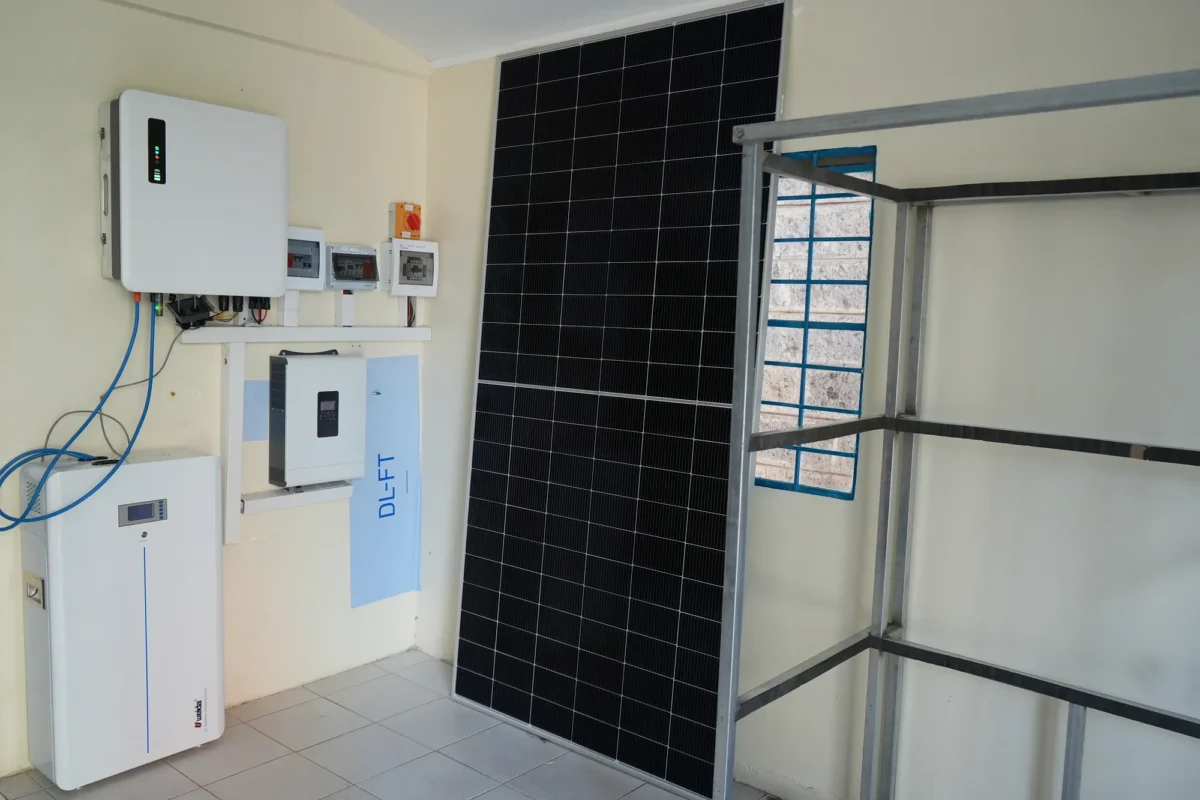
The difference matters. All three systems, household solar, grid electricity, and the shared water scheme, provide access. Yet only one is being used at a scale that directly supports livelihoods.
Across the off-grid sector, this pattern is not unique. Pay-as-you-go models have expanded rapidly because they solve a critical barrier: upfront cost. Systems priced between KES 60,000 and 80,000 can be broken down into payments of around KES 90 a day, making them accessible to households with irregular income. That model has reached millions. But it has done so by optimising for repayment. System size, capacity, and functionality are all shaped by what can be financed with low risk.
Moving beyond that level requires a different kind of system and a different kind of logic. Productive-use applications, from solar irrigation pumps to cold storage units, typically cost between KES 150,000 and 500,000 or more. They are not just more expensive; they depend on being used frequently enough to generate income. A pump that is used occasionally does not pay for itself. A cold room without enough produce passing through it does not work as a business.
This is where the market is beginning to shift.
Rather than asking individual households to take on the full cost and risk of larger systems, newer models are reorganising how energy is owned and used. In Namuncha Ranch, that shift is already visible, even if informally. The water system works because it is shared. It serves hundreds of people, and because it is used every day, its value is clear. It is not a larger system by accident; it is a system that matches how people actually use it.
In Kenya, companies like SunCulture have moved beyond selling solar pumps outright, instead financing irrigation systems in ways that align repayment with agricultural income. In practice, this allows farmers to pay for water and productivity over time, rather than the full cost of the asset upfront.
A similar logic is emerging in cold storage. Providers such as Soko-Fresh aggregate produce from multiple farmers into solar-powered cold rooms, charging per crate stored. By pooling demand, these systems ensure consistent utilisation, something that would be difficult for an individual farmer to achieve alone.
Other approaches are pushing this further. Asset financing platforms like M-KOPA have shown that pay-as-you-go models can extend beyond basic solar into higher-value assets, while emerging peer-to-peer and shared infrastructure models are experimenting with ways to distribute both cost and access across a wider group of users.
Despite their differences, these approaches share a common idea: spreading costs across multiple users while linking repayment more closely to productive activity. The effect is subtle but important: energy is no longer just consumed, it is worked.
What this suggests is not that existing models have failed, but that they are reaching their natural limits. The market has become highly effective at financing first access. The next phase is less about reaching more households and more about increasing how much energy each system can productively support.
That transition will not be driven by technology alone. The panels, pumps, and storage systems already exist. The constraint lies in how they are financed, how risk is distributed, and how usage is structured. Systems designed for low, predictable consumption will continue to expand access. Systems designed for shared, consistent use are more likely to support income.
The real question is what that energy can do once it arrives, and whether the systems being built are designed to support anything beyond it.
Leave a Reply