Acholi is often discussed through the narrow lens of conflict or stereotype, obscuring its deeper identity. Yet beneath these narratives lie a region shaped by cultural depth, historical significance, and enduring resilience.
Never have I encountered a people as deeply rooted in their identity as the Acholi—beautiful, distinct, and profoundly shaped by a living culture. Their traditions are not written in ink, but carried in blood, memory, and everyday life.
The Acholi are descendants of Labongo, part of a Luo-speaking people whose origins trace back to migrations from the Bar-el-Ghazal region of present-day South Sudan into Northern Uganda around the 16th century. Their language, Luo, is rich and expressive—carrying stories, values, and identity across generations.
Historically, the Acholi have been shaped by strong leadership and resistance. One notable figure is Rwot Awic Ibrahim Abok Lutanymoi, whose resistance to British colonial rule left a lasting imprint on the region’s history. And yet, for so long, the Acholi people have been misrepresented.
Too often, their story has been told by others—filtered, distorted, or reduced to stereotypes. They have been labelled as backward, overly traditional, or defined solely by conflict. In particular, the association with the Lord’s Resistance Army, led by Joseph Kony, has unfairly shaped global perceptions of the entire community.
But one man cannot define a people. The ocean is too vast to be polluted by a single drop. The Acholi are not a story of war. They are a story of culture, resilience, and continuity. Yes, they are deeply rooted in tradition. But this is not a weakness—it is their strength.
Their dances, marriages, belief systems, and ancestral connections are not relics of the past, but living expressions of identity. As Chinua Achebe once said, “Until the lion tells his own story, the tale of the hunt will always glorify the hunter.”
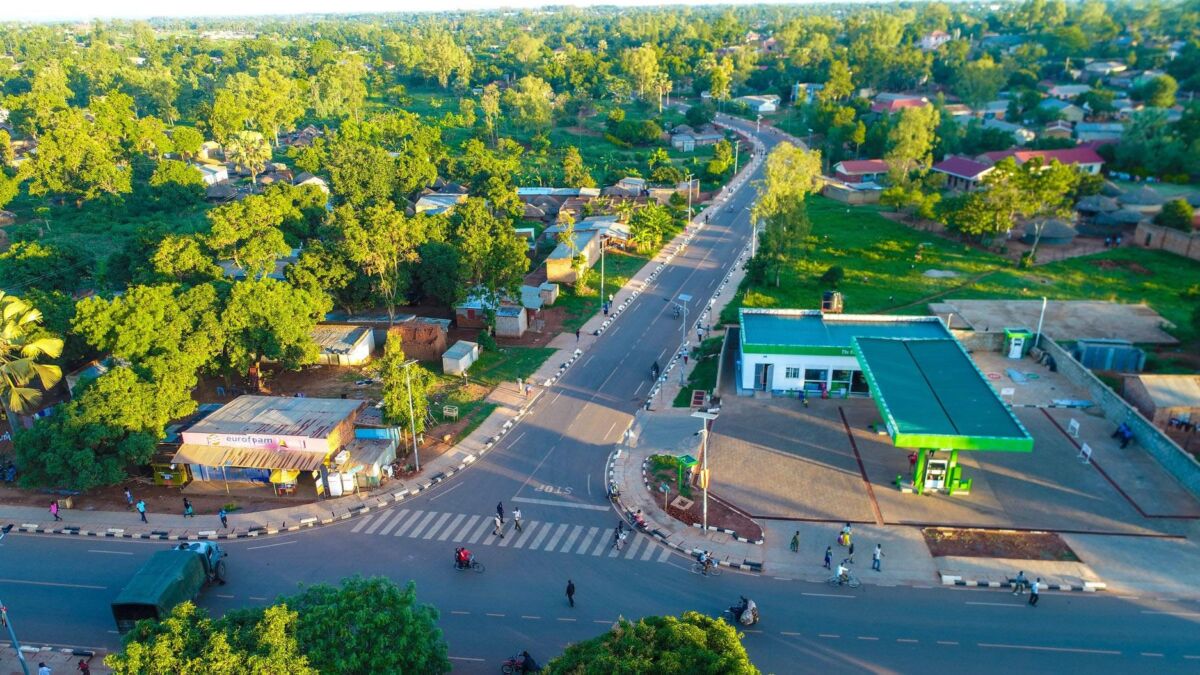
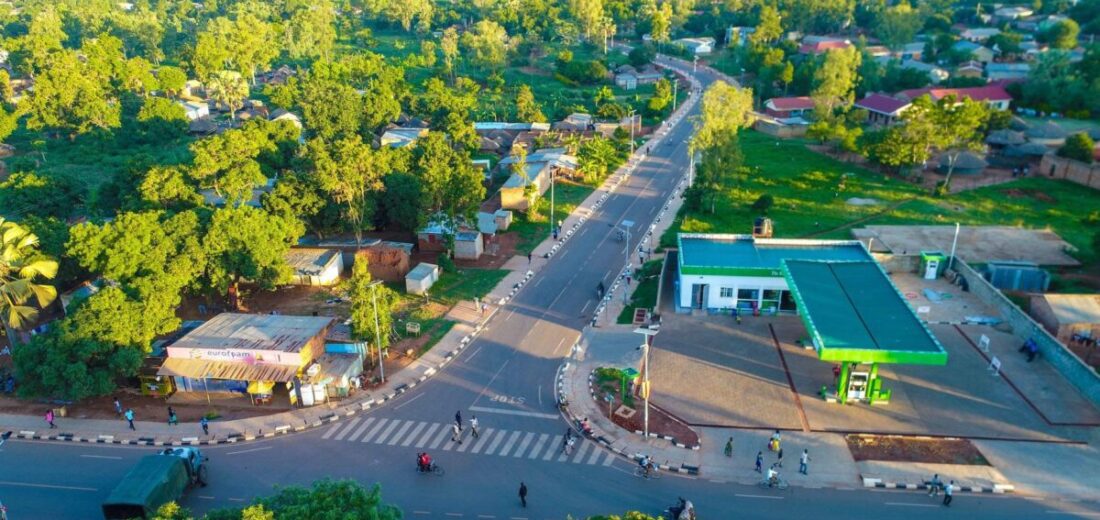
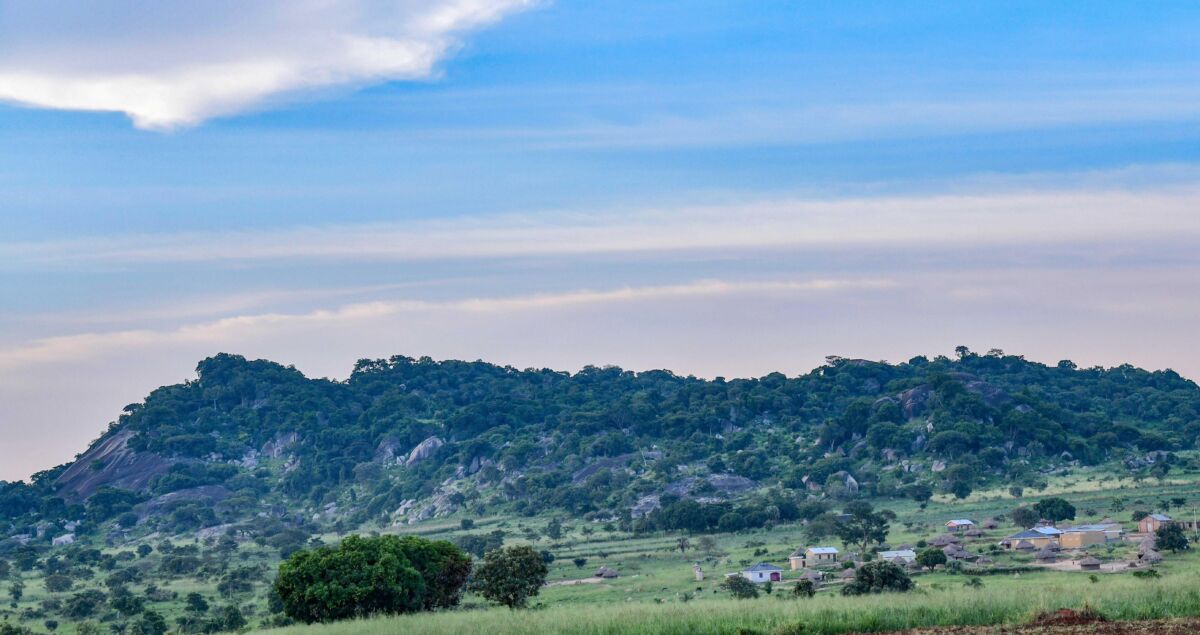
Ariel view of present day Gulu city
Overcoming the stereotype
This is that story—told by a son of the soil. Not in defence, but in truth. For years, the Acholi people have been described through labels that do not reflect who they truly are. They have been called selfish, backward, or overly traditional. They have been reduced to a “warrior culture,” often because of the actions of Joseph Kony.
But these labels are not only inaccurate—they are unfair. To judge an entire people by the actions of one individual or by a single period in history is to ignore the depth and diversity of their identity. The Acholi, like any community, cannot be reduced to a stereotype.
Yes, tradition is central to Acholi life. But tradition is not the opposite of progress. It is a foundation. Acholi cultural practices—whether in marriage, dance, or spiritual life—are not signs of backwardness. They are expressions of continuity, belonging, and resilience. They are what have enabled the community to endure through disruption and rebuild after conflict.
In places like Gulu City, this openness is visible. People from different regions and backgrounds live, work, and interact freely. Diversity is not resisted—it is welcomed. Hospitality is not a slogan in Acholi; it is a lived value. And yet, many of these realities remain unseen.
Part of the reason is that, for a long time, Acholi voices were absent from the global conversation about Acholi. During and after the war, when communities were still healing, others stepped in to tell their story. Some of those accounts were helpful. But many simplified, exaggerated, or misunderstood the truth.
As a result, stereotypes took root. That is why telling this story now matters. Not as a reaction, and not as a defence—but as a correction. A chance to present Acholi as it is: complex, evolving, and deeply grounded in its cultural identity.
To understand Acholi, one must begin with its origins. Around the 16th century, the Acholi people migrated into what is now Northern Uganda from the Bar-el-Ghazal region of present-day South Sudan. They carried with them not just movement, but identity.
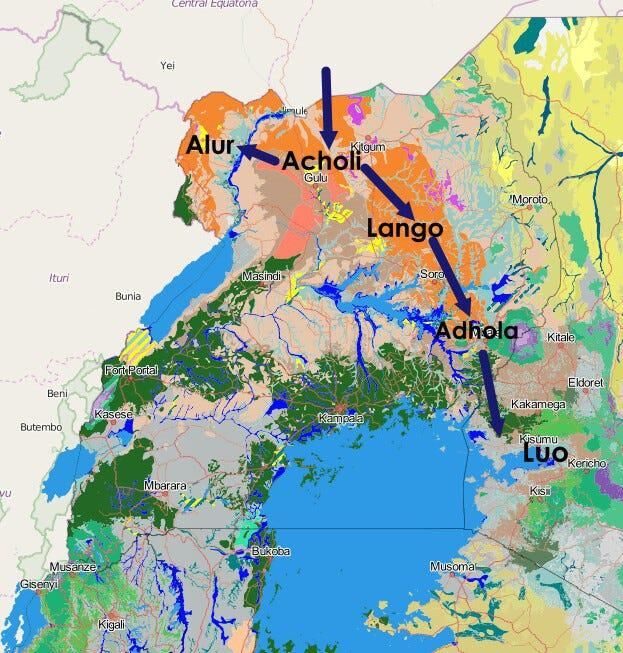
They did not leave their culture behind. They brought their language, their values, their traditions, and the sacred systems that defined their way of life. These were not abandoned with time. They were preserved, taught, and lived—generation after generation.
From birth, an Acholi child is raised to understand that culture is not separate from life—it is life. As the renowned Acholi writer Okot p’Bitek observed, culture shapes how people think, act, and relate to the world around them.
Central to Acholi identity are its founding narratives—such as the story of Labongo and Gipir, descendants of Olum. Their separation, often remembered through the symbolism of the spear and the beads, marks a defining moment in the history of Luo-speaking peoples in the region.
These stories are not simply myths. They are frameworks of identity—explaining lineage, values, and belonging. The Acholi have long been known as skilled hunters and warriors—not in the sense of aggression, but in discipline, survival, and responsibility. These skills were part of a broader system of living in harmony with land, community, and tradition.
From the hills of Palaro to the waters of the Aswa River, and across the landscapes of Amuru and Agago, these practices shaped everyday life. They were not signs of hardship. They were signs of strength. One place that reflects this complex history is the Palaro hills—commonly known as Fort Patiko.
During the 19th century, this area became a key point in the regional slave trade. Arab traders passed through Acholi, capturing able-bodied men and women, and transporting them northwards. Along the way, communities were also stripped of resources, including ivory, which was exchanged for goods such as cloth, beads, and firearms.
This period brought deep disruption. It fuelled internal tensions, as some chiefdoms were drawn into cycles of raiding and exchange, often under pressure from external forces. The result was not only loss of life, but also the destabilisation of social structures.
Fort Patiko itself became a transit point—where captives were held, assessed, and moved onward. Many suffered greatly in this process, and for some, it marked the beginning of a journey from which they would never return.
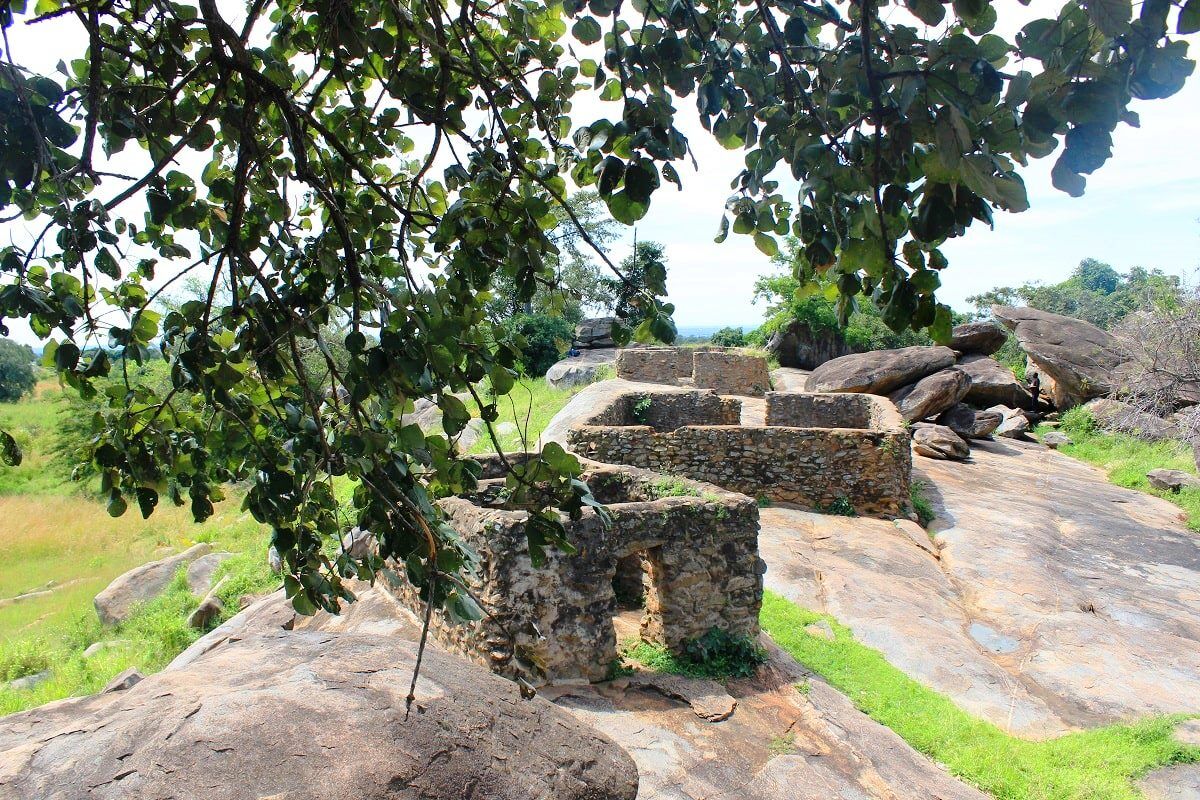
Later, British explorer Samuel Baker established a military presence at Fort Patiko as part of efforts to suppress the slave trade. While this intervention is often presented as a turning point, it also marked the beginning of deeper colonial involvement in the region—bringing its own forms of control and disruption.
Today, Fort Patiko stands as a site of layered history. It is a place that speaks not only of suffering, but also of endurance. Preserved thoughtfully, it offers an opportunity for historical reflection, education, and cultural tourism—allowing visitors to engage with this past in a meaningful and respectful way.
Another site of deep historical significance is the Guruguru hills in Amuru District. In 1911, this area became the centre of resistance against British colonial rule during what is widely known as the Lamogi Rebellion. The uprising was led by Rwot Awic Ibrahim Abok of Payira, who opposed the growing control of colonial authorities over Acholi land and governance.
Using tactical resistance strategies, his forces challenged the British presence in the region. The conflict that followed was intense, with Guruguru Hills becoming a key battleground. Although the rebellion was ultimately suppressed, it remains a powerful symbol of resistance and self-determination in Acholi history.
Rwot Awic was captured and taken into detention—an event that marked both the end of the uprising and the beginning of deeper colonial control in the region. His story continues to be remembered as one of courage in the face of overwhelming force.
Today, the Guruguru hills stand not only as a geographical landmark but as a historical site that reflects Acholi’s resistance, resilience, and identity. With proper preservation and interpretation, the area has the potential to become an important site for heritage tourism—offering visitors insight into a lesser-known chapter of Uganda’s colonial history.
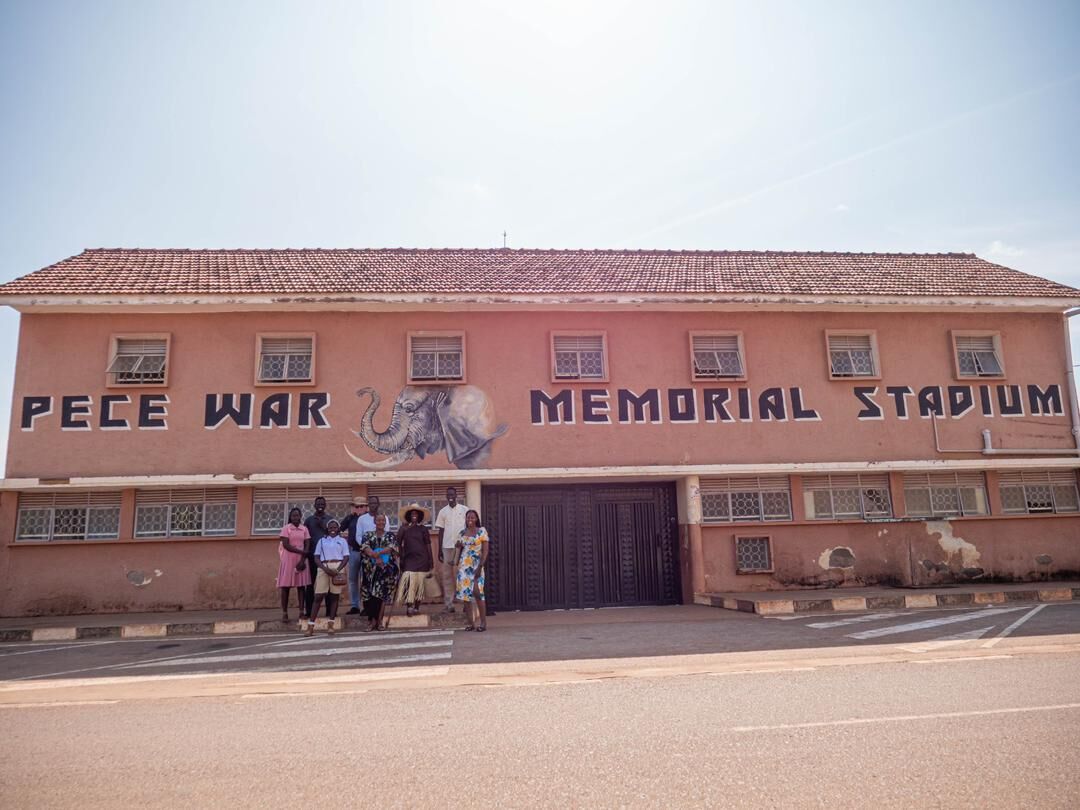
Another important landmark in Acholi is the Pece War Memorial Stadium, located in Gulu City. Built in the 1950s during the colonial period, the stadium commemorates the contribution of Ugandan soldiers—including many Acholi men—who served during the Second World War. Over time, it has taken on additional layers of meaning.
During the LRA insurgency, the stadium became a place of refuge. Residents would gather there at night for safety, returning to their homes during the day. In this way, the stadium became more than a sporting ground—it became a space of protection and survival.
Today, it stands as both a functional public space and a historical landmark. With thoughtful development, it holds strong potential as a site of cultural and heritage tourism.
Acholi Food and Identity
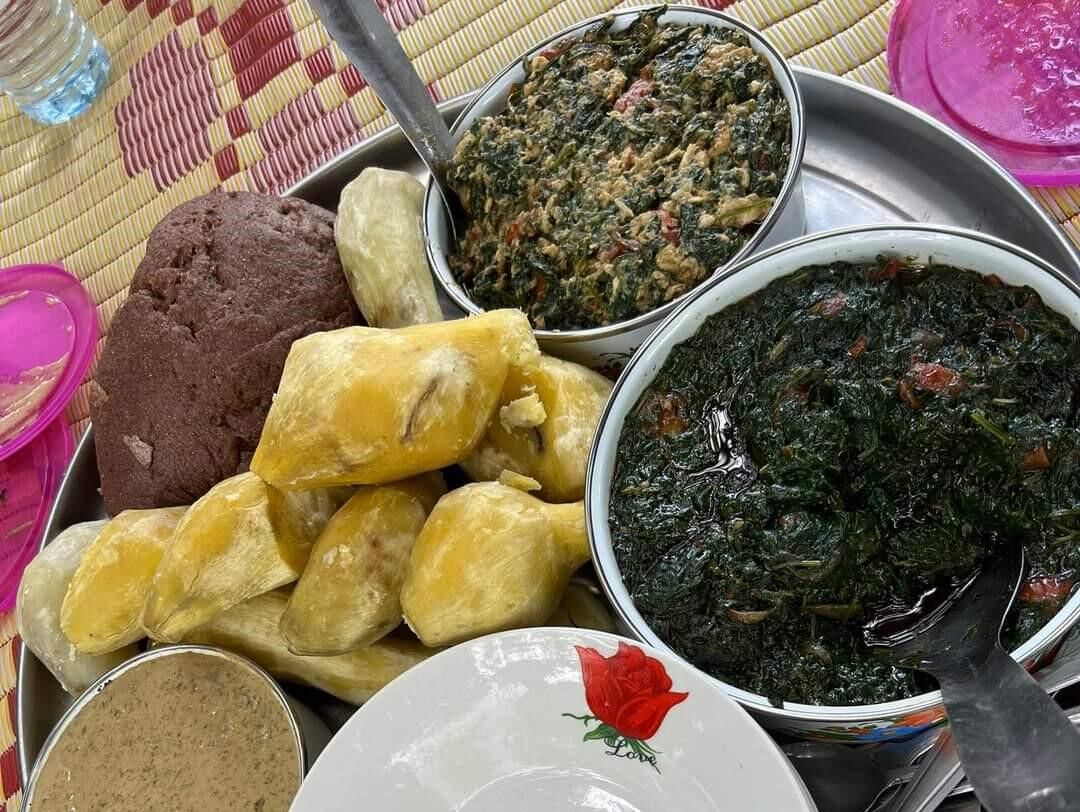
Beyond history and landmarks, one of the richest expressions of Acholi culture lies in its food. Acholi cuisine is deeply rooted in both nutrition and tradition. Dishes such as malakwang, boo, dek ngor, lakotokoto, and kwon kal are not only valued for their taste but also for their health benefits and cultural significance.
Food, in Acholi, is more than sustenance—it is identity. Meals are tied to land, season, and community. They reflect knowledge passed down through generations, linking people to their environment and to one another.
Even traditional products like moo yaa (shea butter) carry layered meaning. Beyond its nutritional and medicinal value, it holds cultural importance—used in practices of care, protection, and heritage.
To experience Acholi food is, therefore, to experience Acholi life. It is an invitation, not just to taste, but to understand. To understand Acholi culture more deeply, one must look at how identity is formed—beginning with names.
Among the Acholi, names are not chosen at random. They reflect circumstance, environment, and meaning. A name tells a story. For example, among twins, the first-born boy is named Opio (the first to come), while the second is Ocen. For girls, the names are Apio and Acen. Children born after twins are often named Okello or Akello.
Names can also reflect natural conditions. A child born during rain may be called Okot (boy) or Akot (girl), while one born during the dry, sunny season may be named Ochieng or Achieng.
Other names reflect circumstance. A child born while the father is away hunting may be called Odwar or Ladwar. A child born without difficulty may be named Kica or Lagum, signifying blessing. In Acholi, a name is not just an identity—it is a narrative.
Community and the Wang’o
Equally central to Acholi life is the idea of community. Traditionally, homes are open—not only physically, but socially. Hospitality is deeply embedded in everyday life. People gather, share, and live in connection with one another.
Children, in this context, do not belong only to their parents. They belong to the community. Every elder carries responsibility for guidance, discipline, and care. One of the most important cultural spaces for this is the wang’o—the evening fireplace gathering.
Around the fire, elders pass down stories, values, beliefs, and history. It is here that children learn what it means to be Acholi—through listening, questioning, and observing. The Wang’o is not just a place; it is a living classroom.
At the heart of Acholi identity is cultural expression—most vividly seen in its traditional dances. Across Acholi, different chiefdoms developed distinct dance forms, each carrying its own meaning and purpose. Some are performed during courtship, others during ceremonies, storytelling, or remembrance.
Dances such as bwola, rakara, and dingidingi are not merely performances. They are expressions of identity, history, and community. As captured by Okot p’Bitek in Song of Lawino, dance is tied to pride, belonging, and the spirit of the people.
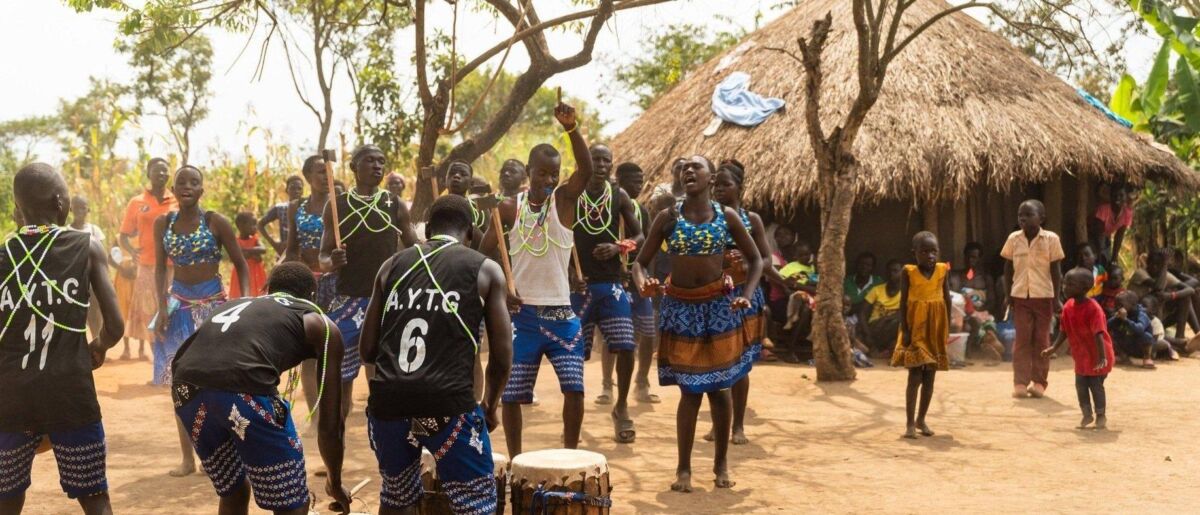
The rhythms, instruments, and movements are instantly recognisable. For many Acholi living far from home, hearing these sounds is enough to reconnect them to their roots.
Acholi’s history is also shaped by individuals whose lives carried national and global significance. One such figure is Janani Luwum, born in Mucwini, Kitgum District. As an Anglican Archbishop, he became a vocal critic of human rights abuses under the regime of Idi Amin.
In 1977, his stand for justice led to his arrest and eventual killing. His death marked a turning point in Uganda’s religious and political history. Today, he is remembered not only in Uganda, but globally—including at Westminster Abbey in London, where he is honoured among modern Christian martyrs.
For too long, the story of Acholi has been overshadowed by conflict or misunderstood through stereotype. Yet beneath those narratives lies a region rich in history, identity, and untapped potential.
From its historical sites to its cultural practices, from its food to its community life, Acholi offers a depth of experience that cannot be reduced to a single story. Acholi is more than a place. It is a living heritage—shaped by history, sustained by culture, and carried forward by its people.
To engage with Acholi is to move beyond assumption—and into understanding. It is to encounter a people defined not by what they have endured, but by how they have endured—and how they continue to build, preserve, and share their heritage.
Leave a Reply