My Diaspora Exit Plan: When Going Home Stopped Feeling Like Failure
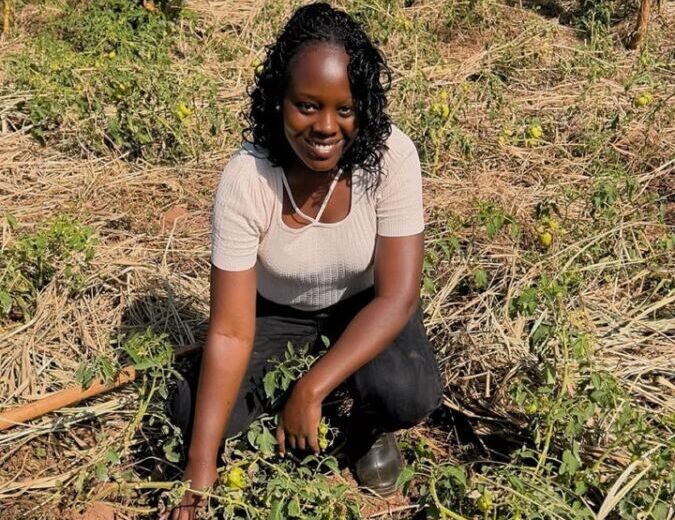
A regional conflict may have accelerated Ritah Atuhaire’s departure from Dubai, but her journey home began long before that. After years of chasing opportunity abroad, she returned to Uganda and discovered that the future she wanted might have been waiting for her there all along.
My name is Ritah Atuhaire, one of the many Africans who have called the United Arab Emirates home in recent years. Like many young Ugandan graduates, I left home with dreams of building a teaching career in the field I had trained for. But reality unfolded differently. Instead of a classroom, I found opportunities in hospitality—a path that, while far removed from my profession, mirrors the experience of many people in the diaspora.
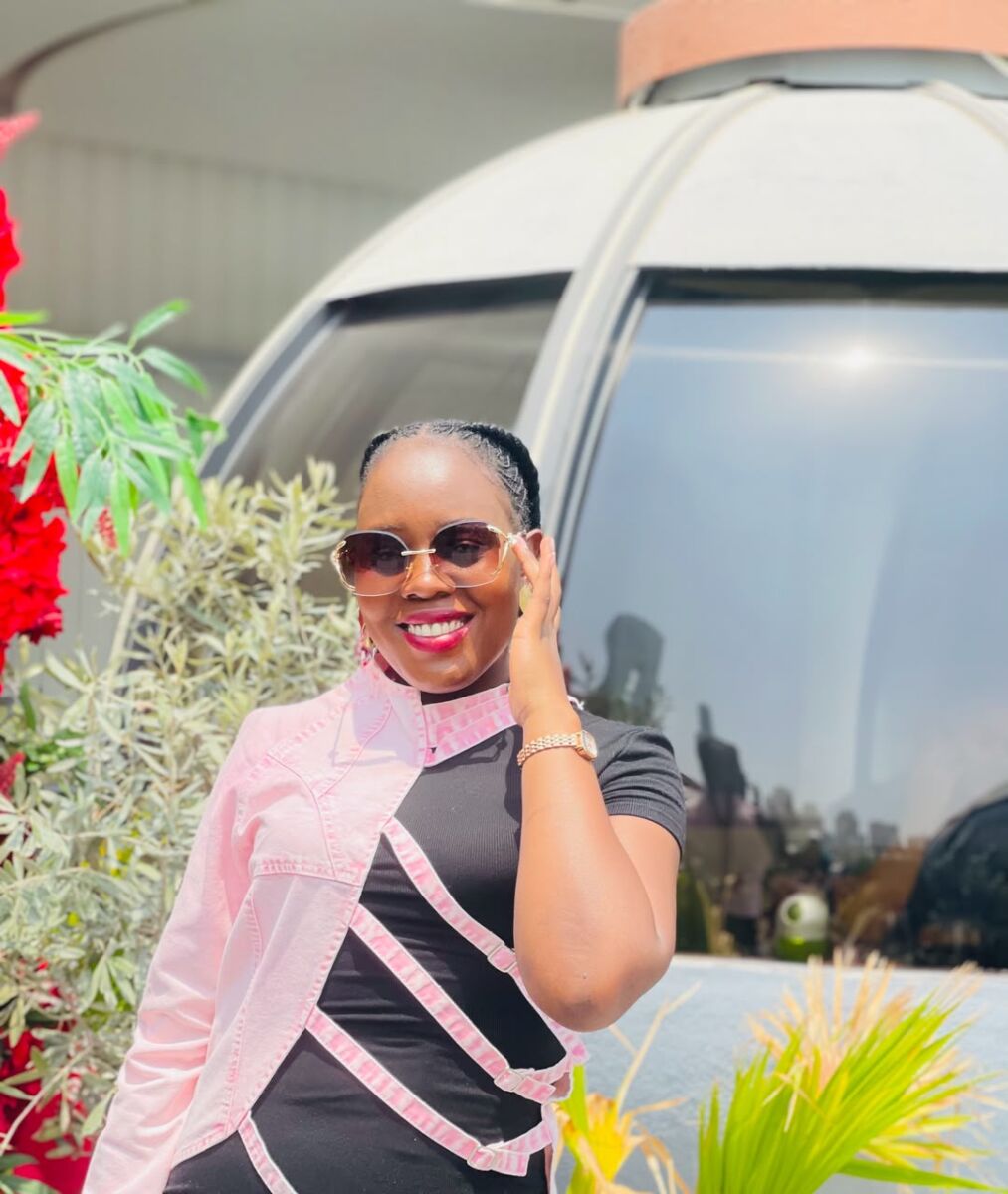
The journey was not without rewards. Working in some of Dubai’s leading restaurant venues exposed me to new cultures, perspectives, and opportunities. It also opened the door for me to report diaspora stories for Vice Versa Global, deepening my understanding of migration, identity, and belonging. The experience strengthened my resilience and broadened my horizons. Yet beneath the growth and achievements, I carried a persistent feeling that there was still more potential within me waiting to be explored.
At the beginning of 2026, after more than four years in Dubai, I created my first vision board. It contained four simple goals: grow my writing and creative career, double my income, reunite with my son, and serve God more faithfully. I believed those dreams were achievable. The question that troubled me was how.
I found myself weighing different possibilities. Should I stay in Dubai a little longer or return home and begin a new chapter? Plan A was to use my teaching qualifications to pursue another teaching opportunity. It offered better pay, more time for writing and church service, and the possibility of either bringing my son to Dubai or returning to Uganda with enough savings to start afresh.
Plan B was to build on my hospitality experience and pursue a management position in the industry. Plan C—my favourite plan—was to complete my contract in November 2026 and return home to become a full-time writer and creative with Vice Versa Initiative. It was the option that aligned most closely with the life I imagined for myself.
An unexpected turning point
Looking back now, I realise I should have included a Plan D: trust God’s plan completely. In all my calculations and careful planning, I never imagined that my departure from Dubai would be accelerated by a regional conflict that would force me to reconsider everything.
It began on what seemed like an ordinary afternoon at work. Then a loud explosion-like sound shattered the routine. “What was that?” I wondered. “Did you hear that?” a colleague asked as he rushed outside.
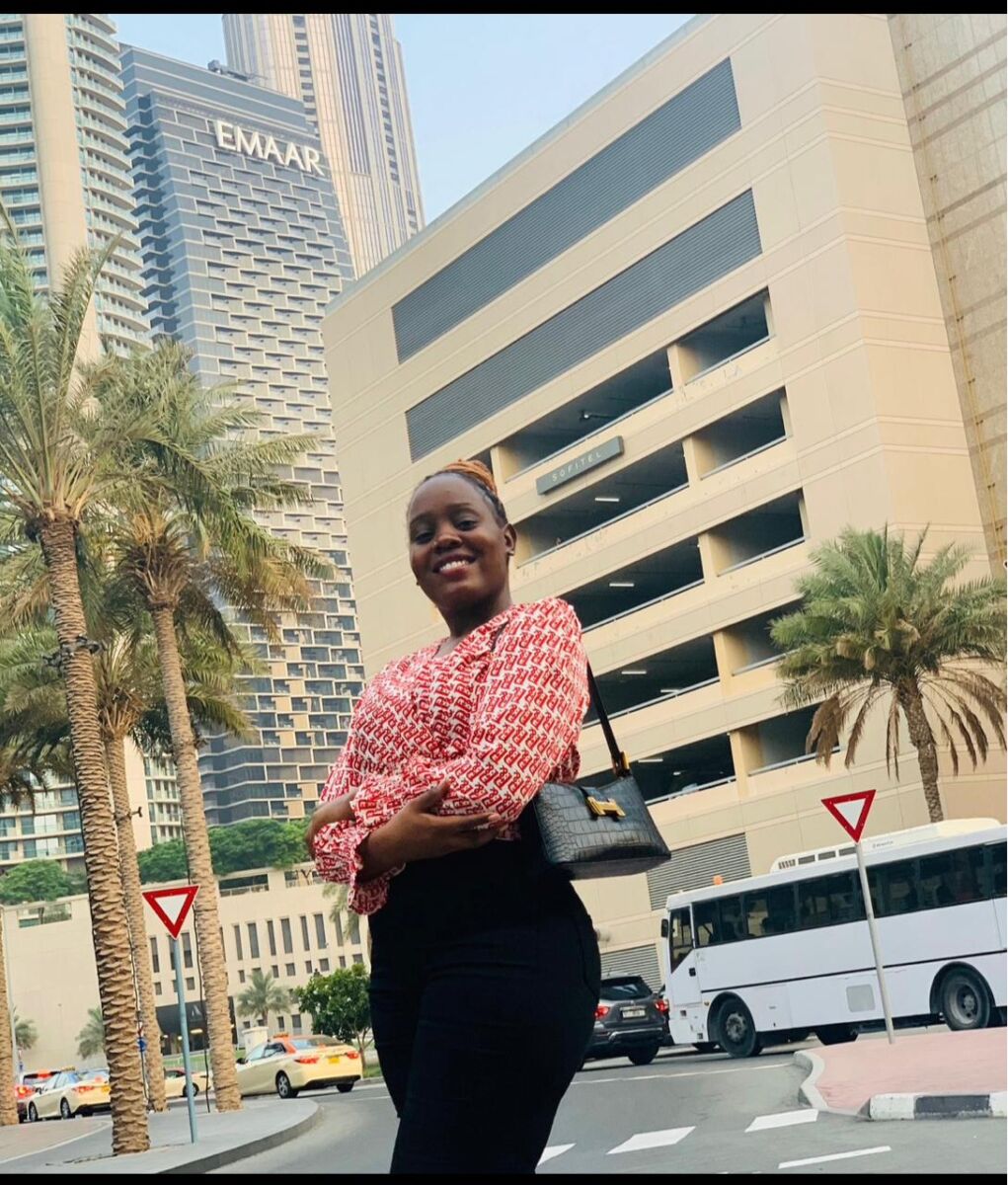
I followed him. Hundreds of people were already gathered, staring into the sky. Above us, smoke drifted across the horizon. Reports soon began circulating that a missile had been intercepted.
People began talking about attacks on American military installations across the Gulf region. At first, few of us imagined how serious the situation might become. Many assumed the tensions would pass quickly. Yet I felt uneasy. I had read enough history to know that conflicts often begin by appearing distant and temporary.
The two colleagues I was working with tried to lighten the mood. “Relax, Ritah,” one of them joked. “If another missile comes, I’ll catch it and throw it back before it reaches you.” They laughed, and I forced a smile. But beneath the humour, a quiet sense of fear had already begun to settle inside me.
As reports and rumours continued to circulate, anxiety spread through the city. People rushed home. Restaurants, offices, and shops closed earlier than usual. Our workplace also shut down ahead of schedule. At the time, most of us convinced ourselves that life would return to normal within a few days. It seemed unthinkable that the uncertainty would last.
But it did.
What followed were weeks of heightened tension, security alerts, and growing concern across the region. Residents regularly received notifications advising caution whenever potential threats were detected, followed by updates that the situation had been brought under control. While daily life continued, uncertainty became impossible to ignore.
The effects soon reached the economy. Businesses began operating more cautiously as travel plans were disrupted and visitor numbers declined. Hotels and restaurants, which depended heavily on tourism, felt the impact almost immediately.
Reservations were cancelled, customer numbers dropped, and employers began looking for ways to cut costs. Some workers were placed on unpaid leave. Others lost their jobs altogether. I was one of them.
The journey back
As unprepared as I felt, my first instinct was not to search for another job. Instead, I found myself thinking about home.
Watching supply chains come under pressure and food prices rise made me reflect on how millions of people survive in the UAE, a country that has achieved remarkable food security despite its harsh climate and dependence on imports. At the same time, my thoughts kept returning to Uganda.
Uganda remains one of the most fertile countries in the world. Vast stretches of arable land remain underutilised, yet the country continues to produce food for both local consumption and export. The contrast stayed with me. I found myself asking a question I had never seriously considered before: Am I supposed to leave fertile land back home uncultivated while the world struggles with food insecurity?
That question changed something in me.
For the first time, returning home no longer felt like a backup plan or a sign of defeat. It felt purposeful. I began imagining a life that went beyond earning a salary abroad—a life where I could contribute to solving bigger challenges while encouraging fellow Africans in the diaspora to rethink what opportunity really means.
Perhaps the greener pasture we spend years searching for abroad sometimes already exists at home. Sometimes it simply takes distance, disruption, and a change in perspective to recognise it. The more I reflected on that possibility, the more certain I became: it was time to go home.
Even when my company reduced my final payment, I chose peace over a lengthy dispute. At that moment, time mattered more than money. Airspace restrictions had already begun, but I managed to secure a ticket home. As my departure date approached, I prayed constantly for safety, uncertain about what the coming days might bring.
That uncertainty became painfully real at the airport. We had already boarded our flight when an announcement instructed us to disembark and return to the terminal. Reports of an approaching threat had prompted heightened security measures.
Within moments, the atmosphere shifted. Conversations stopped. Anxiety spread across the room. Would the flight be cancelled? Would we remain stranded for days like the travellers I had seen on the news?
I looked around for reassurance, but every face reflected the same emotions: worry, confusion, fear, and silent prayer. Thankfully, operations resumed after some time, and our journey continued. That was how I left a region gripped by uncertainty and returned to the place that had unexpectedly become my greener pasture: home.
Rediscovering home
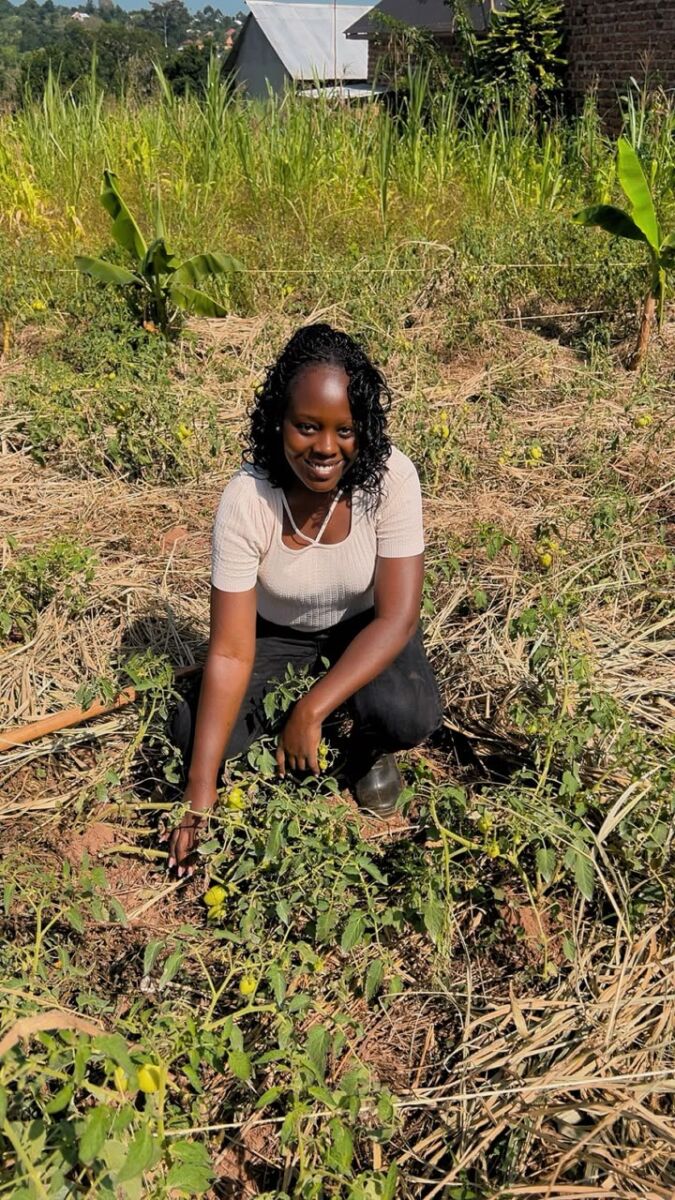
When I arrived in Uganda, I headed straight to the countryside, determined to begin again. Few people believed I would actually settle in a rural area. Even before leaving Uganda, I had always been seen as a city girl. Yet something had changed. My priorities were different. My vision of success had evolved.
I chose Mpigi, a place I had never lived before but where I had purchased land while still in the diaspora. I arrived with plans to grow vegetables for local and international markets. But what I discovered there went far beyond farming.
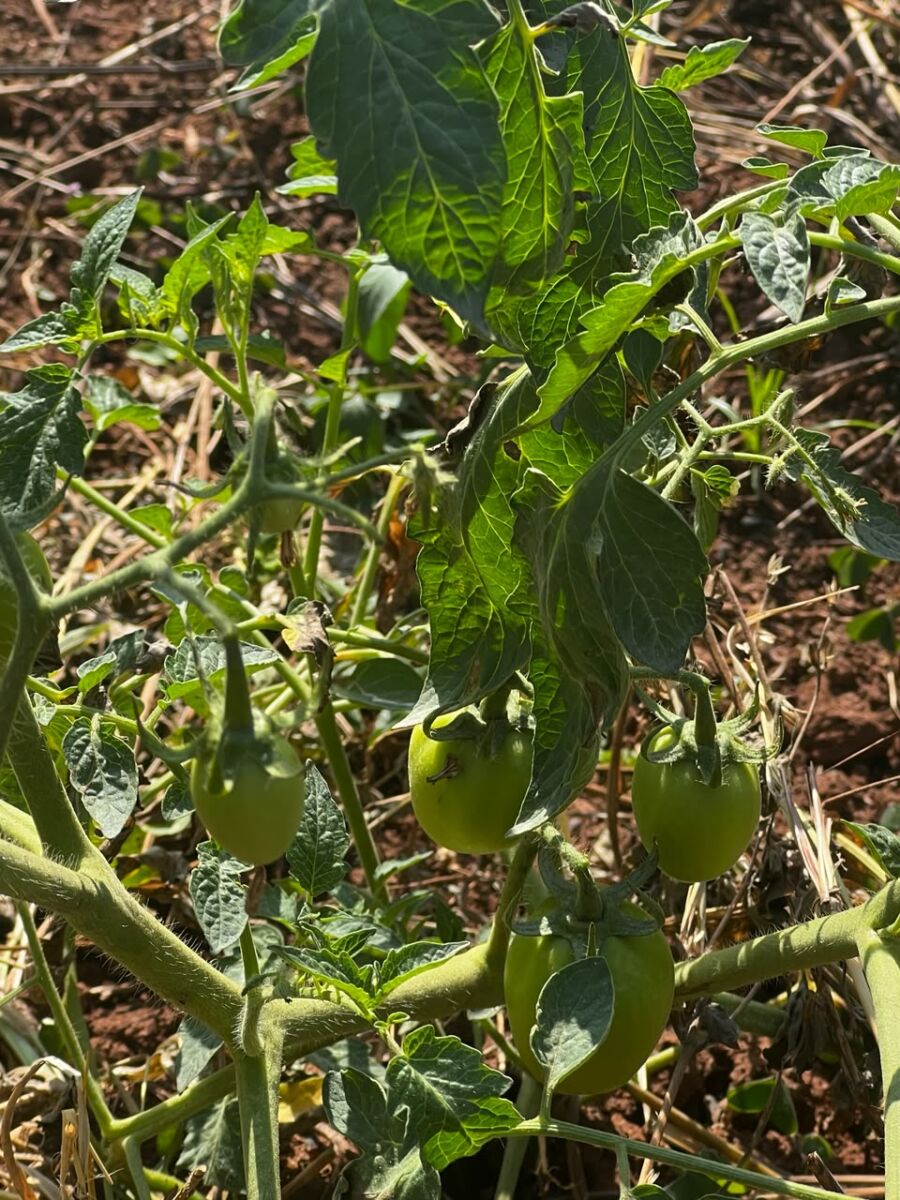
I rediscovered community.
On my very first day, an elderly woman from a neighbouring banana plantation approached me carrying beans and bananas. “Young lady, you can have some beans from my garden,” she said warmly. “Moving to a new place is hard when you don’t have food yet.”
My immediate assumption was that she intended to sell them to me. When I asked how much I owed her, she laughed gently and explained that it was simply her way of welcoming me to the village.
I was stunned. Nalongo reminded me of a generosity that is deeply woven into many African communities—a generosity that asks for nothing in return. And she was not the only one.
I found neighbours who genuinely cared about one another’s well-being, elders willing to guide younger people, and farmers eager to share their knowledge with someone who was completely new to agriculture. Their kindness made it easier for me to settle in and reconnect with the community around me.
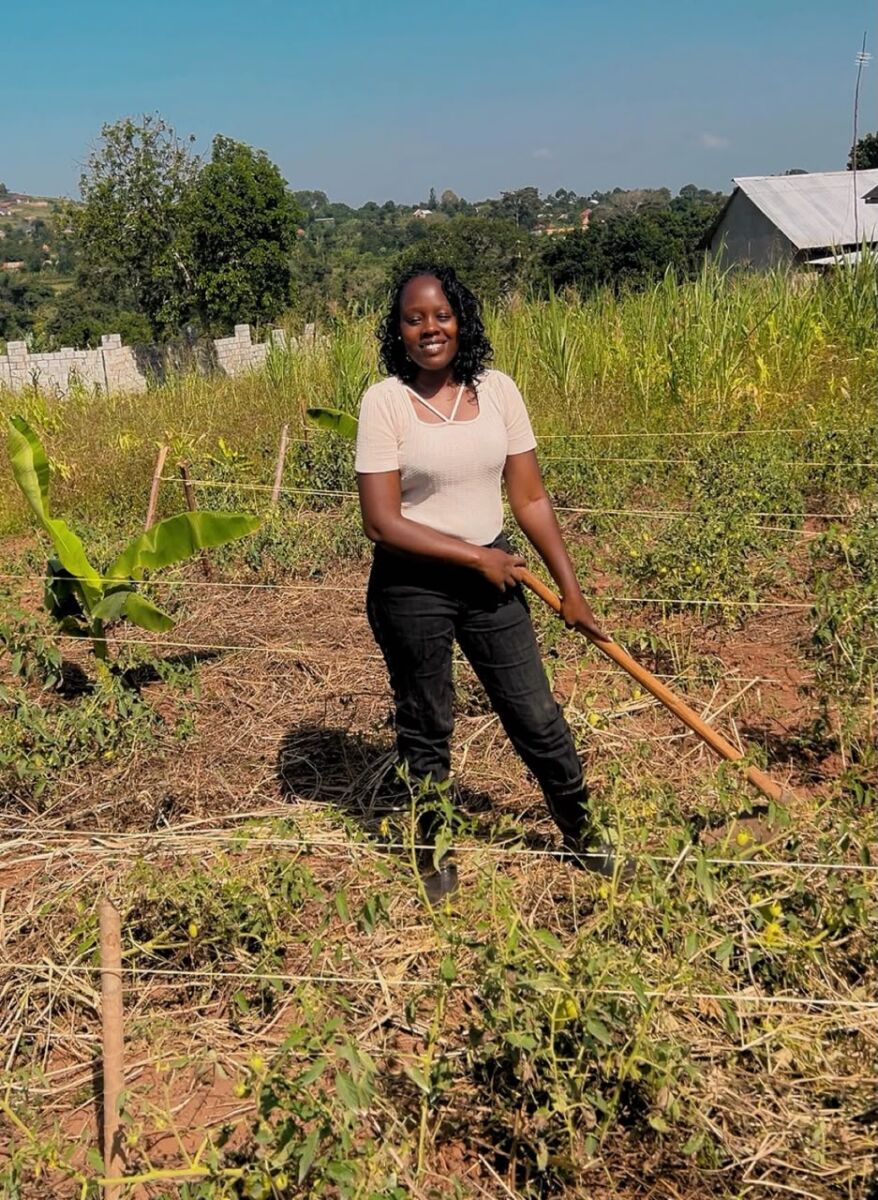
For years, I believed success was somewhere far away. Yet in the quiet hills of Mpigi, I found something I had not realised I was searching for: belonging, purpose, and peace. Sometimes we need to leave home to truly understand its value. And now, for the first time in a long time, the future feels beautiful.
Leave a Reply