
Across Acholi, culture is no longer carried forward by tradition alone; it is being actively reimagined by a new generation. As modern pressures reshape identity, young people are stepping into roles once left to elders, preserving heritage while redefining its place in today’s world.
Text: Watmon James
As a young person from Acholi, I have come to understand that culture is not something we inherit passively. It is something we must actively protect, preserve, and promote. In today’s fast-changing world—where modern influences continue to reshape lifestyles and identities—the responsibility of safeguarding our culture and heritage increasingly rests with us, the youth.
Growing up, I often heard elders speak about our traditions, dances, food, and rituals. At the time, I did not fully grasp their importance. But as I became more exposed to cultural activities and tourism initiatives, my perspective began to change. I came to realise that culture is not just about the past. It is a living, evolving identity that shapes who we are and how we relate to the world.
Tourism in Acholi is deeply rooted in this identity. When people visit our region, they are not only interested in places; they come to experience a way of life. They want to hear our stories, taste our food, watch our dances, and understand our traditions. This is what makes cultural tourism both unique and valuable.
Tourism and identity
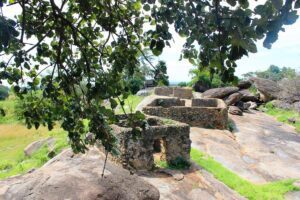
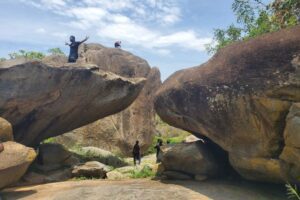
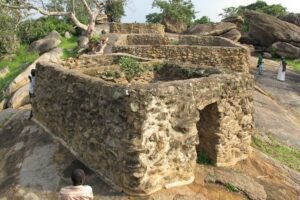
Images of Fort Patiko and Kidere tourist sites
One of the most powerful experiences I had was visiting Fort Patiko. Standing at this historical site, I felt the weight of history—the stories, struggles, and resilience that shaped our people. It is not just a place of the past, but a symbol of identity and endurance. While there, I spoke with Onen Maxwell, a passionate local voice who deeply understands the significance of the site. He told me,
“If we, the young people, do not come here, learn this history, and tell it ourselves, then we risk losing its meaning. This place is not just for visitors—it is for us first.”
His words stayed with me. They reminded me that heritage sites are not only spaces for tourism—they are spaces of learning, memory, and identity preservation. As young people, we must take ownership of these places, understand their stories, and ensure they are passed on truthfully.
From Fort Patiko, I also began to see how our region connects to broader tourism ecosystems—such as Murchison Falls National Park. While the park is globally recognised for its wildlife and natural beauty, the surrounding communities—especially within the Acholi sub-region—add cultural depth to the visitor experience. This is where local voices matter most.
In Kidere, I had another meaningful conversation—this time with Okello Bill Clinton, a young man actively engaged in community life. As we spoke about culture and tourism, he shared a perspective that was both honest and insightful. He said,
“Many young people think culture is old-fashioned, but they do not realise it is our strength. When tourists come, they do not come to see what is everywhere—they come to see what is unique to us. And that is our culture.”
Our distinction
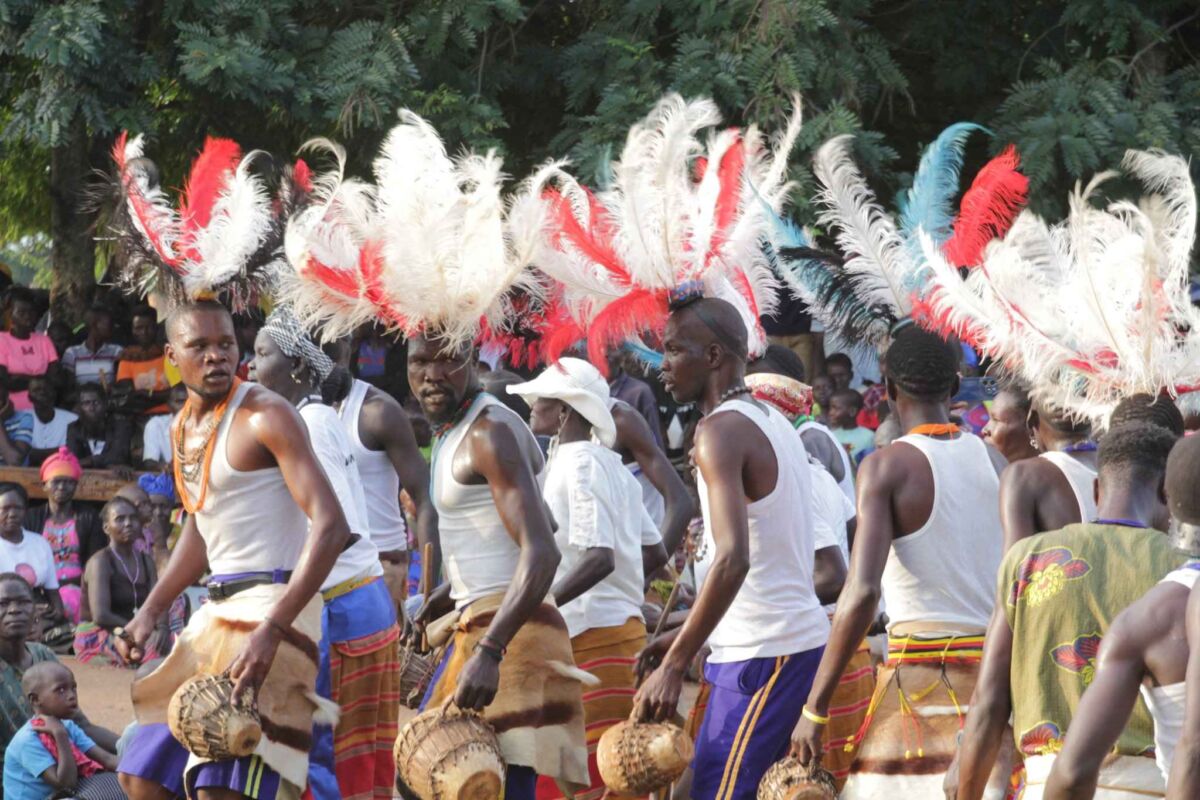
This statement captures a reality that many of us overlook. In the process of trying to modernise, we sometimes abandon the very things that make us distinct. Yet in tourism, authenticity is everything. Our dances, our food, our language, and our traditions are what set us apart.
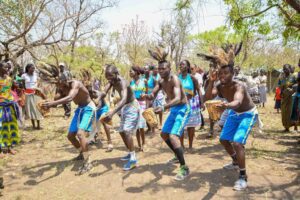
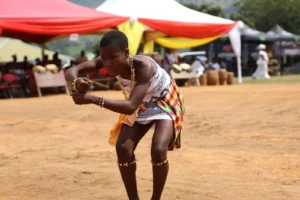
Traditional dances in Acholi are a clear example of this. Dances such as bwola, larakaraka, and otole are not merely performances—they are expressions of identity. Bwola reflects leadership and unity. Larakaraka is a vibrant courtship dance that brings communities together. Otole speaks of strength and bravery.
When young people participate in these dances, they are not just entertaining—they are preserving stories, values, and cultural memory. Food is another powerful cultural asset that we often overlook.
Traditional Acholi dishes such as malakwang, boo, dek ngor, and kwon kal carry deep meaning. They reflect our relationship with the land, our agricultural practices, and our communal way of life. Food is not just about nourishment—it is about identity and experience.
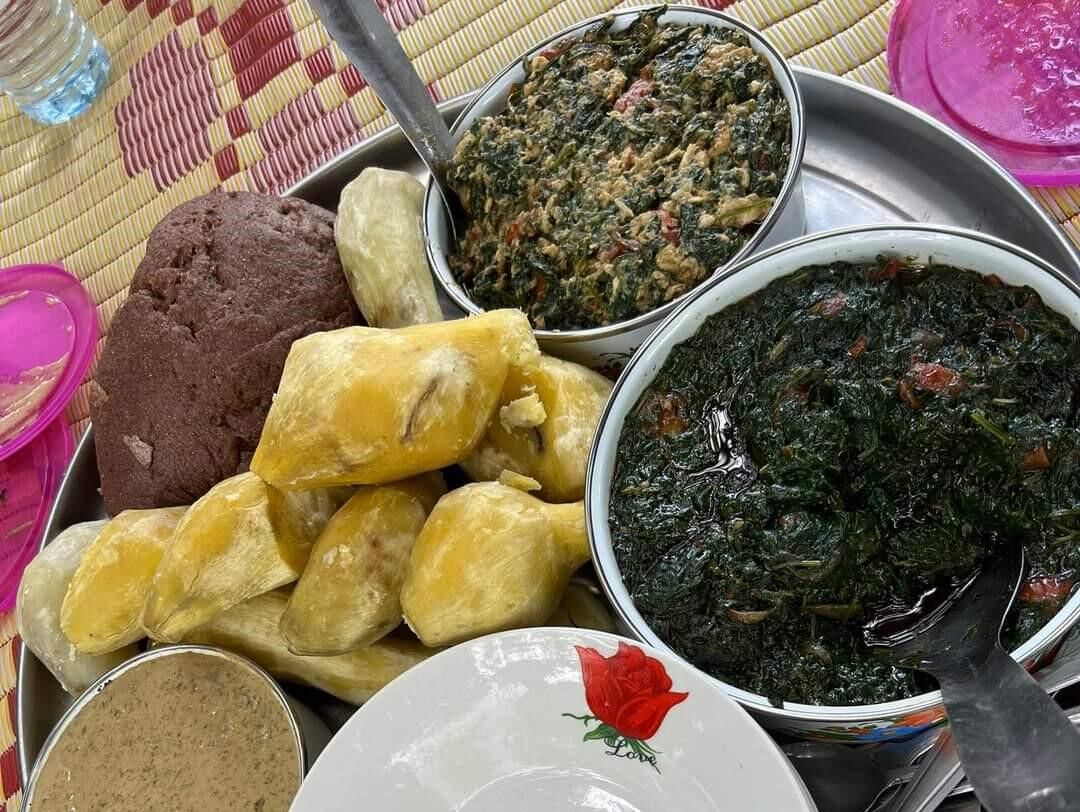
For visitors, tasting local cuisine is one of the most authentic ways to connect with a culture. It offers insight into how people live, what they value, and how they relate to their environment. This connection between culture and place became even clearer to me during a visit to Aruu Falls.
Standing near the cascading waterfalls, surrounded by both natural beauty and community activity, I had a conversation with Auma Joan, whose perspective added another important dimension to this discussion. She told me,
“Places like this are beautiful, but without people to protect and promote them, they can easily be misused or forgotten. We, the youth, must take responsibility—not just to bring visitors, but to protect what we have.”
Her words highlight a critical truth. Tourism is not only about promotion—it is also about conservation. Natural sites like Aruu Falls require responsible management. Young people have a key role to play in ensuring that these places are preserved for future generations.
Beyond sites and landscapes, Acholi’s rituals and traditional practices remain central to its cultural identity. Ceremonies such as Mato Oput reflect values of reconciliation, forgiveness, and unity. While these practices are sacred and not always performed publicly, understanding their meaning is essential for cultural continuity.
Tradition and continuity
As young people, we have a responsibility to respect these traditions and ensure they are not lost or misrepresented. At the same time, we are living in a moment of opportunity. Today’s youth are more connected than ever before. With access to digital platforms, we can document our culture, share our stories, and reach global audiences.
We can showcase our dances, promote our food, tell our history, and position Acholi as a cultural tourism destination in ways that were not possible before. Tourism provides a practical pathway for this. It creates opportunities for young people to engage economically while preserving culture—as tour guides, performers, entrepreneurs, and storytellers.
It allows us to build livelihoods while strengthening identity. However, this opportunity comes with responsibility. Modernisation, urbanisation, and globalisation are reshaping how young people live and what they value. In some cases, this has led to a growing disconnect from cultural roots, with traditional practices seen as outdated. This is a risk. Because once culture is lost, it cannot easily be recovered.

But youth are not the problem. We are the solution. We have the creativity, energy, and tools needed to reimagine how culture is preserved and shared. Through storytelling, innovation, and community engagement, we can make our heritage relevant to today’s world. What is needed is support.
Governments, organisations, and community leaders must create opportunities for youth to actively engage in cultural preservation and tourism through training, funding, and platforms for expression.
The future of Acholi’s culture, tourism, and heritage lies in the hands of the youth. Voices like Onen Maxwell at Fort Patiko, Okello Bill Clinton in Kidere, and Auma Joan at Aruu Falls show that young people are already stepping into this role. We are the bridge between the past and the future.
If we embrace this responsibility, we can ensure that our culture not only survives—but thrives. But if we neglect it, we risk losing an essential part of who we are. The choice is ours. And for this generation, it must be clear: We are not just inheritors of culture. We are its guardians.
Leave a Reply