
Beyond the Solar Ceiling: When Energy Must Do More Than Light a Home
Kenya’s energy access story is often told as a story of progress. But in Namuoncha Ranch, a Maasai community in the Rift Valley, one question lingers beyond the numbers: once power reaches a home, how much can it really change the lives of the people using it?
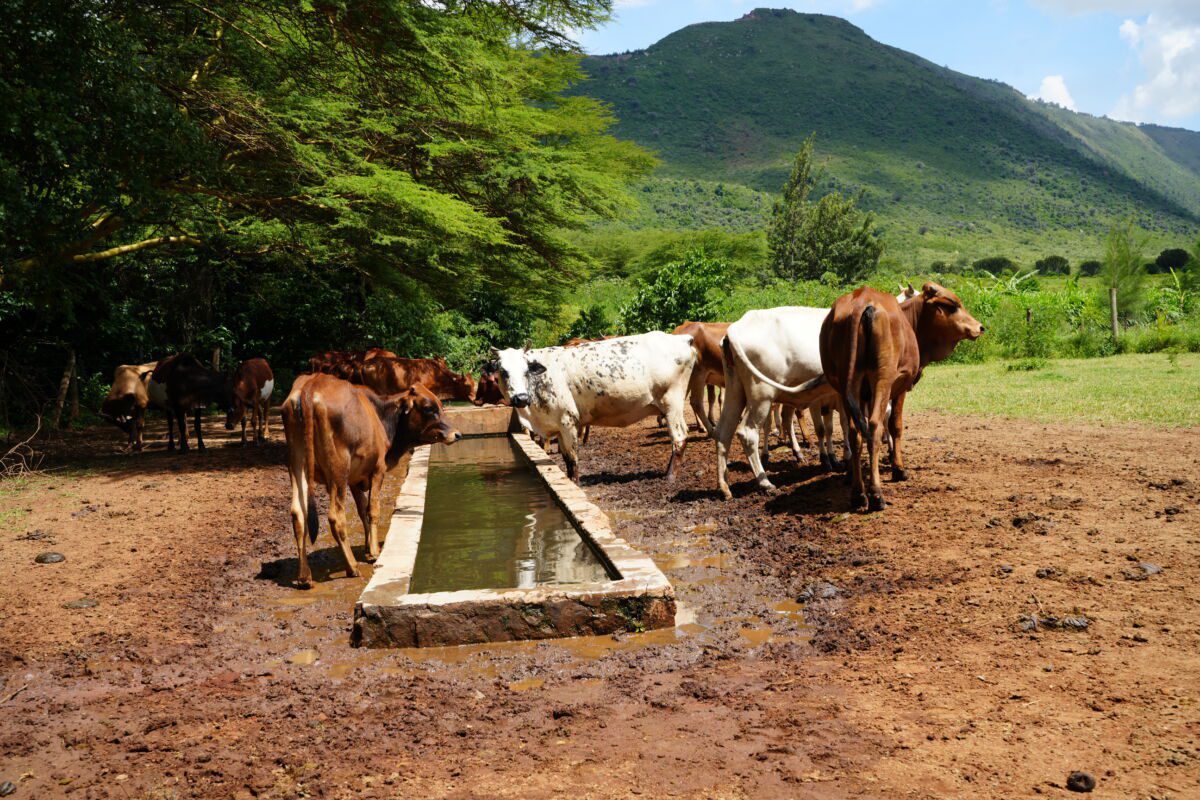
The idea of an energy ceiling stayed with me long after I left Namuoncha Ranch: the point where access to power exists, but its ability to transform lives begins to reach its limits.
Small solar panels were easy to spot across the Maasai community along Kenya’s Great Rift Valley corridor. Some sat on tin roofs, while others lay on the red earth,
angled towards the sun. For families that once relied on kerosene lamps, these systems have changed daily life. They provide light, keep phones charged, make homes safer after sunset, and allow children to study for longer.
Yet one comment from Emma Sintent continued to trouble me. When I asked what kind of power she would choose if the choice were hers, she did not pause. “Electricity would be better,” she told me. “I would choose it any day.”
Her answer confused me at first. Emma already had a form of electricity in her home. A small solar system had replaced the kerosene lamp she once depended on. Her children could study after sunset, her phone remained charged, and evenings no longer ended the moment darkness fell.
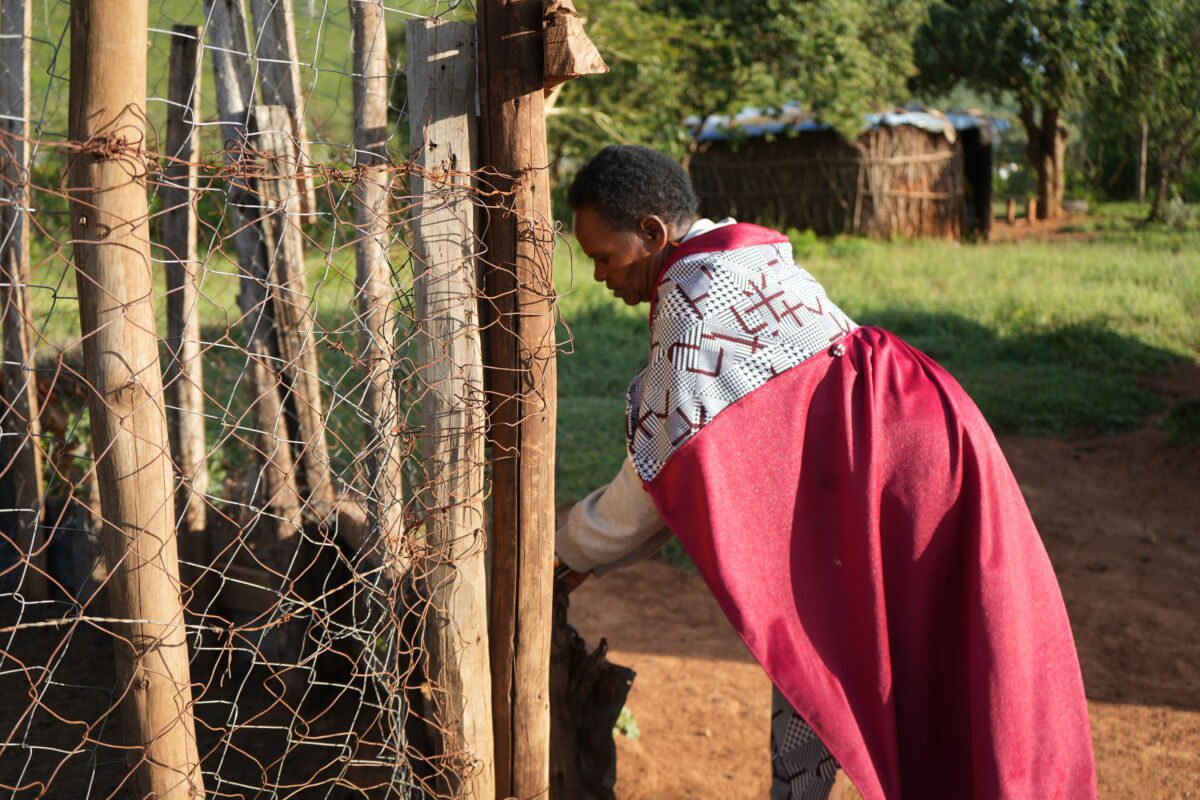
So why would she still choose electricity? The answer, I came to realise, was that Emma was not simply talking about light. She was talking about power that could do more and change the economics of her life.
Her frustration is not unique. In many ways, it reflects a broader story unfolding across Kenya’s energy sector. Access has expanded dramatically over the past decade, but questions remain about what that access is actually enabling.
In Kenya, the energy story is being told through progress. By 2023, electricity access in Kenya had reached 76.2%, a major shift for a country where many rural households had historically been left off the grid. Grid extensions, off-grid solar systems, mini-grids, and pay-as-you-go models have helped bring power closer to homes, schools, and public institutions.
Kenya has emerged as one of Africa’s leading renewable energy stories, with geothermal, hydro, wind, and solar contributing significantly to the country’s electricity mix. Major public programmes such as the Last Mile Connectivity Programme, together with development finance and private-sector innovation, have supported this expansion.
These gains are important and should not be dismissed. But Emma’s answer points to what access numbers can miss. Her solar system had made basic power possible, but it had not given her the kind of electricity she associated with flexibility, reliability and productive use.
For her, the issue was not whether solar had value; it clearly did. The issue was whether the power available to her could support more than lighting, phone charging and evening routines.
That is why her preference for grid electricity matters. She was pointing to the difference between having power in the home and having power that can support work, income and possibility.
Productive Use of Energy
With Emma’s answer still on my mind, the school became the next place where the meaning of energy began to expand.
Until then, most of the examples I had seen were about consumption: lighting homes, charging phones, extending the day. But energy can do something else. It can pump water, power irrigation, preserve food, support small businesses, reduce labour, and create new sources of income. In development circles, this is often referred to as the productive use of energy; using power not only to consume but to create, earn, and produce.
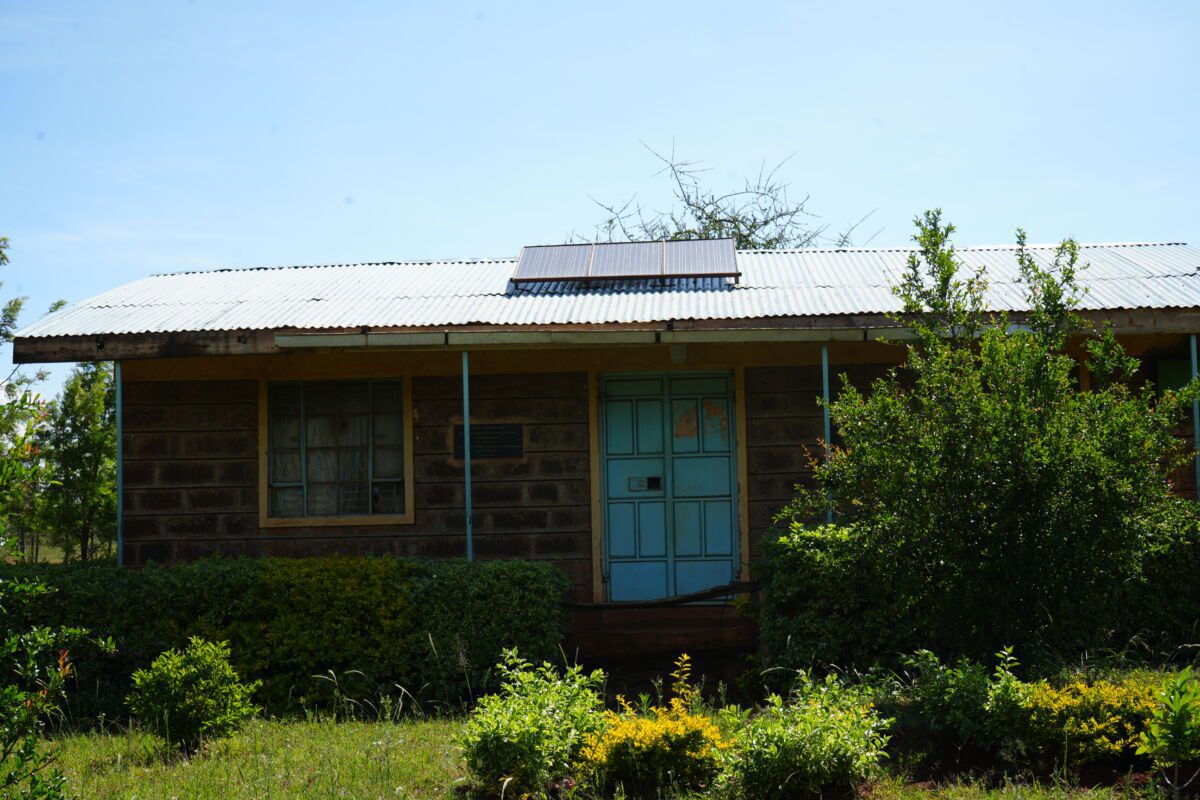
At the local school in Namuoncha Ranch, electricity had arrived through more than one route. The school’s first source of electricity was a solar system installed in 2013. It provided power for lighting and other basic needs. Later, the school was connected to the national grid through the Last Mile Connectivity Programme, expanding its access to electricity for learning, administration, and daily operations.
Then Dennis Mosite explained the boundary of that progress in one simple sentence. “The electricity is for the school,” he told me. The simplicity of the statement revealed an important limitation. Electricity had reached the school compound.
Students could learn in a powered environment, teachers could work more efficiently, and administrative tasks had become easier. But the surrounding community could not draw on that connection to support farming, livestock, small businesses, or other income-generating activities.
For Dennis, productive energy access could create economic opportunities within Namuoncha Ranch. The community already has the land, livestock, labour, and local knowledge. People also have the desire to do more. What remains limited is access to energy that can turn those resources into income, resilience, and local enterprise.
The clearest illustration of this possibility emerged from a collaborative effort: a shared solar-powered water system created through a partnership among a nearby factory, the school, and the surrounding community.
Through that arrangement, solar energy pumps water to the school, making it accessible to an estimated 600 to 700 people in the area. “If this solar agreement with the factory were not there, the community would not have access to water,” Dennis said. “They would be relying on donkeys to fetch it.”
That detail changes the scale of the story. Energy here does more than light rooms or help the school carry out its daily activities. It brings water closer to the community, thereby reducing the time and effort spent fetching it. It supports livestock in a dry area, makes small-scale farming more viable, and helps the school garden grow. It also powers an incubator that community members use to hatch chicks and supports biogas production for cooking.
Seen this way, Productive Use of Energy is not a distant development phrase. It is a community using the relationships available to it to make energy serve more than one household, more than one institution, and more than one immediate need.
The factory-school-community relationship also shows how people navigate the spaces where formal infrastructure does not fully meet daily realities. The grid connection serves the school, while household solar systems power individual homes. The shared solar-water arrangement, however, extends the benefits of energy beyond a single user, reaching the wider community through cooperation, trust, and practical need.
That is the important lesson from Namuoncha Ranch. Energy becomes far more powerful when it is shaped around people’s daily realities and the ways they earn a living.

A connection is not the same as an opportunity. For energy to become economically useful, it has to move beyond arrival. It has to be available where people live, strong enough for the work they do, and structured in a way that allows communities to use it for production, income and resilience.
Leave a Reply