How to Work Locally When Disaster Strikes: Lessons from the Dutch Relief Alliance
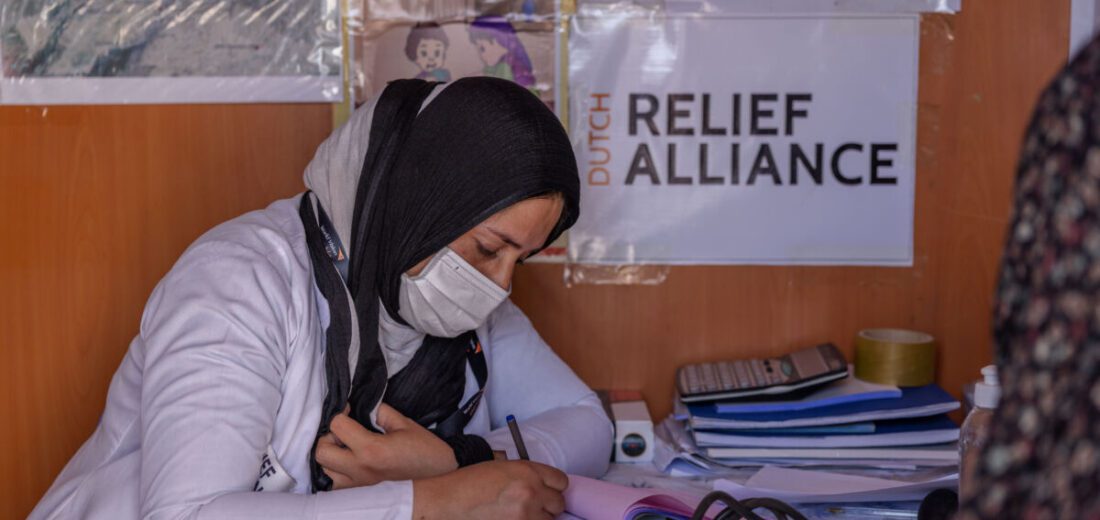
Floods in South Sudan. Typhoons in the Philippines. When disaster hits, it is local organisations who do most of the work and take the greatest risks. The Dutch Relief Alliance is proving that aid can be delivered differently. ‘That is the mentality we need.’
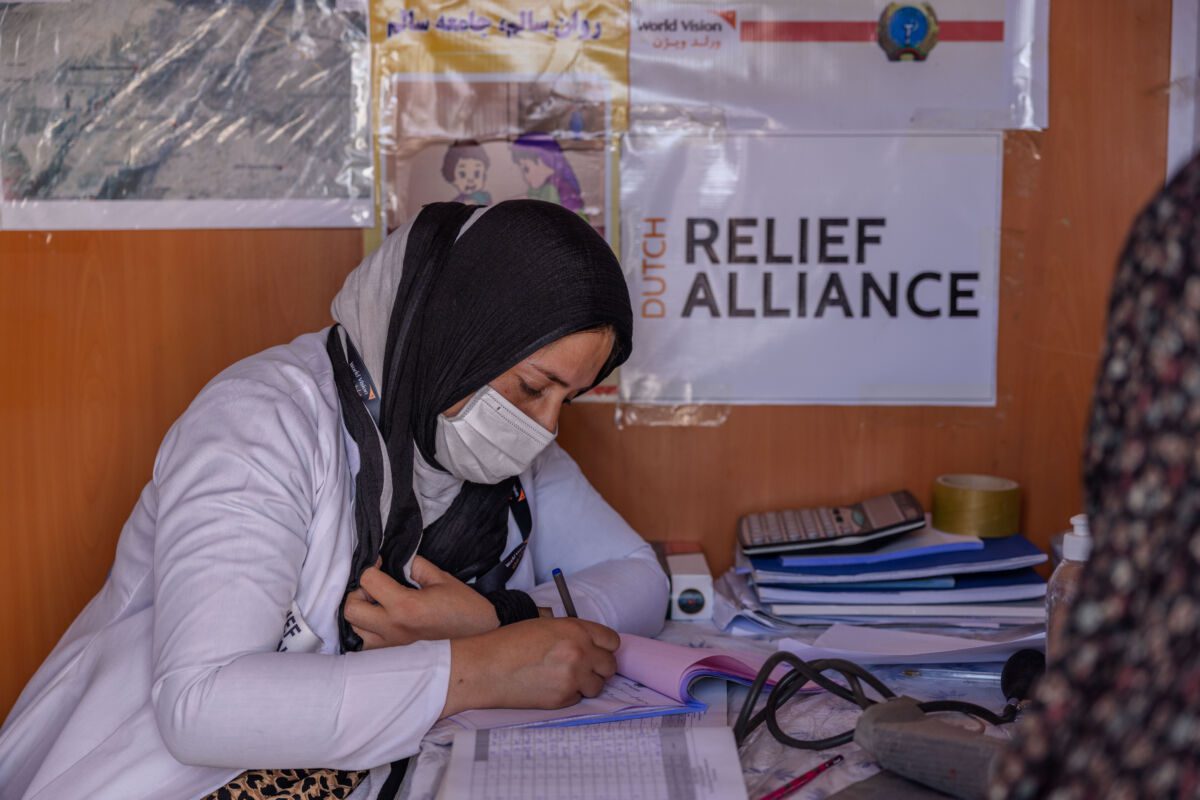
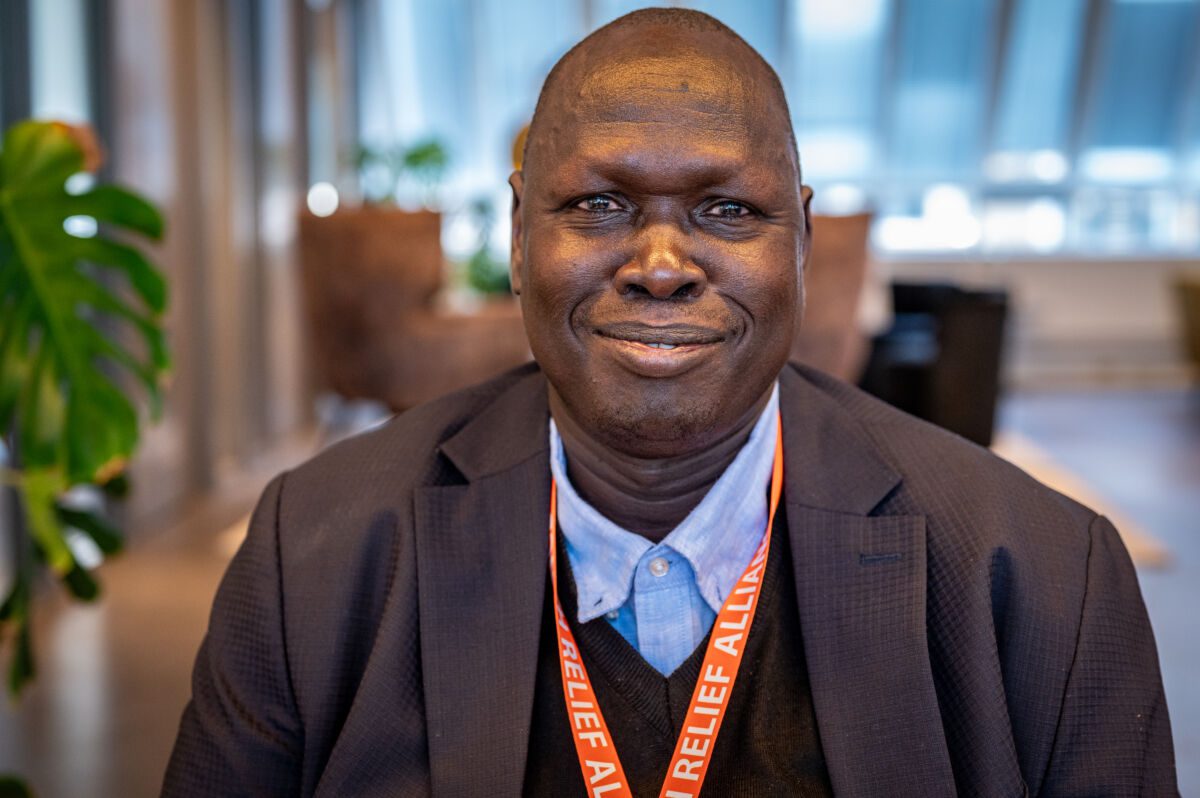
For James Keah, effective humanitarian work begins with listening. A seasoned aid worker in South Sudan with the Universal Intervention and Development Organisation (UNIDOR), he spends his days gathering insights from colleagues on the frontlines. ‘We are often the first to respond when crises hit,’ he says.
And crises have hit hard in the world’s youngest nation. Years of armed conflict have displaced millions, while relentless droughts and catastrophic floods have pushed entire communities to the brink. UNIDOR’s response stretches across the spectrum—from delivering food and clean water to strengthening health systems and fostering peace.
Keah’s organisation partners with the Dutch Relief Alliance (DRA), a coalition of fourteen Dutch NGOs working with the Dutch government. Since 2022, he has chaired the alliance’s Local Advisory Group (LAG), a platform that brings together representatives from crisis-affected countries to advise on how aid can better reflect realities on the ground.
It was through his role on the Local Advisory Group that Keah began to notice a troubling pattern. Some organisations were delivering food, medicine, and shelter in crisis zones—yet had no signed contracts to formalise their work. Others were locked into short-term agreements of just six months.
‘Normally, that sort of thing would just slip under the radar,’ Keah recalls. ‘But as chair of the LAG, I could take it straight to the people who could fix it. It was not that anyone meant harm, the systems just did not talk to each other. You would have local and international groups working in the same country and never even meet. It created a gap that did not need to be there.’
That gap had real consequences: one local partner was abruptly removed from a collaboration without explanation, while another received a short-term contract even as others were granted longer ones. Today, that has changed.
All nine local partners in South Sudan’s joint humanitarian programmes now have proper contracts, and communication across organisations has improved dramatically. ‘The difference,’ says Keah, ‘is that we are not just implementers anymore. We are actively involved in thinking and decision-making about the aid that is delivered.’
In 2016, representatives of humanitarian donors and aid organisations gathered in Istanbul for the World Humanitarian Summit, where they committed to a series of reforms known as the ‘Grand Bargain.’ One of its key pillars was localisation—putting local organisations at the centre of humanitarian response.
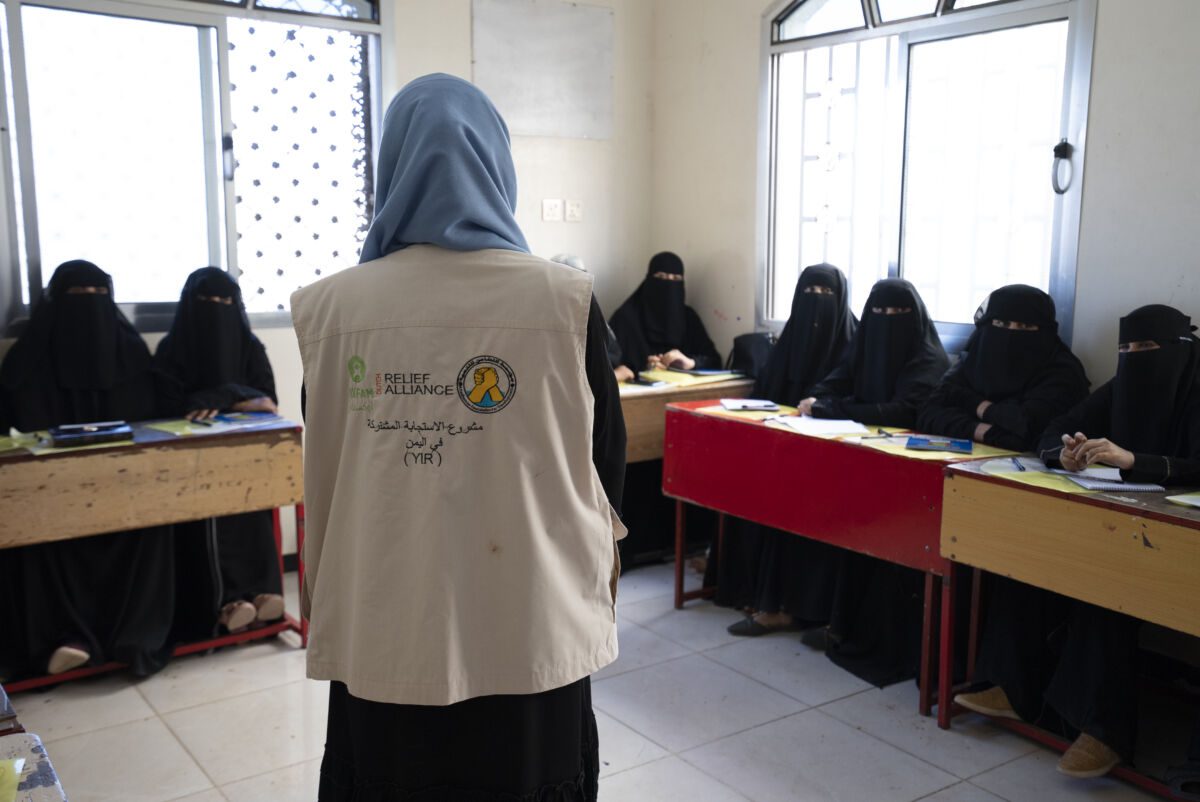
The Dutch Relief Alliance (DRA) took that commitment seriously. It established the LAG to ensure voices like Keah’s influence not just internal alliance decisions but also policy conversations at the highest levels. That investment is bearing fruit.
Each year, the LAG meets with the Dutch Minister for Foreign Trade and Development and the Director General of the Ministry to discuss progress, challenges, and share unfiltered insights from the field. ‘It is Dutch taxpayers’ money,’ Keah says.
‘When policymakers hear directly from us, they understand the impact beyond the reports. It builds trust, which is what localisation is about.’ Members of the Local Advisory Group do more than advise on contracts—they also sound the alarm on the risks their staff face.
Workayehu Bizu, who heads the African Network for the Prevention and Protection against Child Abuse and Neglect (ANPPCAN), knows those dangers firsthand. ‘As local organisations, we bear the greatest security risks, but often receive the least support,’ he says.
During Ethiopia’s brutal internal conflict, which raged until 2022 and claimed hundreds of thousands of lives, local organisations like his kept delivering aid in active conflict zones. ‘Children, women, and the elderly were among the hardest hit,’ he recalls.
Aid workers themselves were not spared. One of Workayehu’s colleagues was killed in the fighting; others in the Amhara region were ambushed and beaten while providing life-saving support.
‘In those situations, international staff are often far better protected,’ Workayehu explains. ‘They have strong security policies and budgets. If you work for a UN agency or a big INGO, there is usually a plan to evacuate you. Staff of local organisations did not have that access.’
Workayehu’s testimony prompted the DRA to act. In Ethiopia’s Joint Response, a new ‘risk-sharing’ approach was introduced, ensuring that security risks are proportionally shared between local partners, international NGOs, and donors.
‘It is a step forward that we are working on sharing these security risks,’ Workayehu says. ‘For the first time, we are not facing these risks alone. That is a big achievement for DRA.’
For the DRA, another lesson quickly became clear: true localisation is ultimately about money. ‘At the end of the day, it comes down to who gets to decide on the funding and how it is used,’ says Christel Mulder, the alliance’s chair on behalf of Plan International.
Under the Grand Bargain, donors pledged to send 25 percent of humanitarian budgets directly to local organisations. ‘In 2024, we were already at 42 percent,’ she notes with pride. ‘So, we are ahead of that target. But it is not just about the percentage, it is about the quality of that funding. To truly support impactful work, funding must be multi-year, flexible, and cover the real costs of implementation.’
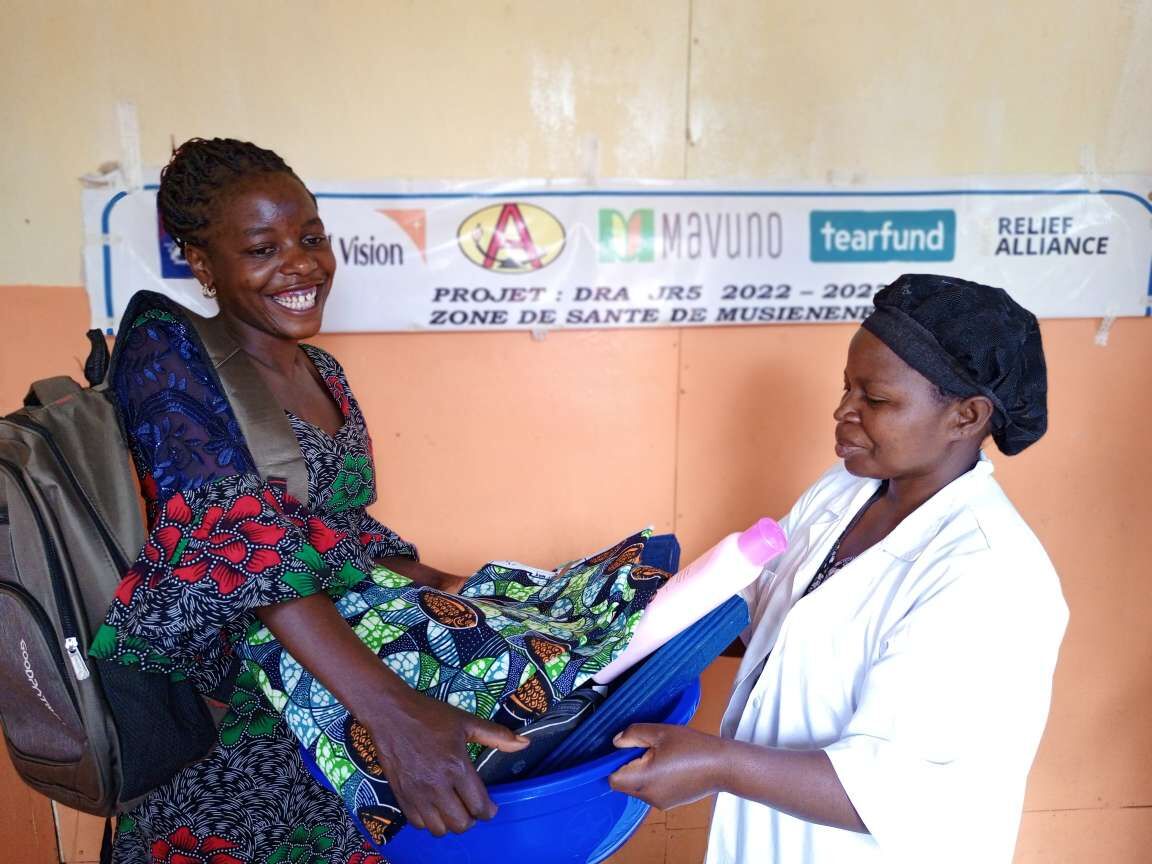
The rest of the sector lags far behind. A report by Development Initiatives revealed that in 2022, only 1.2 percent of global humanitarian funding actually reached local and national organisations—a fraction of what was promised.
One of the biggest hurdles for local partners is that donor funds are often tightly earmarked for a single purpose. The DRA has broken that mould by allowing local organisations to spend a quarter of their budget at their own discretion. ‘Because in the fragile contexts where we work, you can make a plan—but in practice, those plans often change,’ Mulder explains.
In Ethiopia, for example, part of the Joint Response budget was allocated to build a school with latrines. When it turned out UNICEF had already completed the latrines, the funds were quickly redirected to construct an additional classroom. ‘Normally, that would require navigating layers of bureaucracy and paperwork,’ she explains. ‘But this time it was simple: do what is needed, and fast.’
Donors also often reimburse only the direct costs of local organisations implementing a project. Other needs, such as replacing outdated computers or a good phone connection, are left out. Mulder: ‘We have managed to get indirect costs for local partners reimbursed now as well; that is a breakthrough.’
This way, local organisations working with the DRA have more funds available. ‘In Ethiopia, a local organisation was able to invest in a digital accounting system. That is not a direct project cost, but it is essential to do the work properly.’
Still, flexibility brings its own challenges. Donors are often hesitant, fearing misuse or lack of oversight. ‘But smaller organisations frequently lack the capacity to meet rigid donor requirements,’ she notes.
For example, donors often require external audits, ‘but these are very costly and also divert funds away from service delivery.’ The key question, Mulder says, is how to ensure financial accountability without undermining the independence of local groups. ‘What is needed is real risk-sharing, with donors also accepting that some level of risk is part of the deal.’
The DRA and the Netherlands Ministry of Foreign Affairs have been testing a new approach to managing those risks. Traditionally, each actor looks after its own interests: donors protect their funds with strict rules, international NGOs pass those requirements down, and local groups end up carrying the greatest risks, with the least power to influence the terms.
The pilot turned this on its head. In three countries—the Democratic Republic of Congo, Ethiopia, and Yemen—donors, international NGOs, and local partners sat down together in workshops to map the biggest risks, from fraud to data breaches.
They compared how each risk affected the different actors and then agreed on practical mitigation steps and shared responsibilities. Some of the solutions were simple but powerful: a shared supplier database to make procurement more transparent, and pooled budgets for staff health insurance. Mulder: ‘This was a critical first step.’
This points to a deeper problem: a lack of trust in local organisations. ‘In our sector, the willingness to take risks is extremely low. Everything has to be tightly controlled, every euro accounted for.’
But she argues that this approach does not make aid more effective, it slows it down. ‘It leads to long delays, endless back-and-forth over contracts, and partnerships that feel more like legal arrangements than real collaboration. One small mistake, and it is treated like a crisis.’
And the results are measurable. A study by The Share Trust on aid delivery in four countries, including Ukraine and Nigeria, found that local organisations work, on average, seventeen percent more efficiently than their international counterparts.
Mulder believes this evidence could mark a turning point for the sector. On a recent visit to Ethiopia, she heard from a local Joint Response partner who had been speaking with other donors.
‘He told them, ‘From the DRA and the Dutch government, I get multi-year contracts and flexible funding.’ The donor replied, ‘If you can prove that, we will adjust our conditions.‘
‘It worked. After showing them the agreements with the DRA, the local organisation successfully negotiated better terms with other donors. ‘That is the power of this approach,’ Mulder says. ‘It does not just improve our own programmes; it helps shift the entire system.’
There are still challenges, she says. ‘The hardest issue is defining roles. Each player brings something different: local groups know the context and access to communities; INGOs can move quickly and operate across countries; and donors set the rules and determine how much risk they are willing to take.’
The challenge, she says, is finding the right mix. ‘How do we balance local expertise, international scale, and donor responsibility to deliver good aid quickly? And that balance shifts depending on the crisis—what works in an acute emergency is not the same as in a long, drawn-out one.’
Another major challenge is speed. In humanitarian crises, every hour counts. ‘In emergencies, speed is key,’ says Mulder. ‘Local partnerships are essential, but selecting partners, assessing their capacity, and setting up contracts can take time. International NGOs often have the systems to respond quickly at scale. The real question is: how do we preserve local leadership without slowing down the response?’
She adds, ‘The DRA works with local networks that are prepared ahead of time, so speed and local ownership can work together. This model has been especially effective in Asia, through programmes like B-READY and a focus on anticipatory action.’
When Typhoon Phanfone hit the Philippines in late 2019, many families in the coastal town of Salcedo were ready. Thanks to small cash payments given before the storm, based on weather forecasts, they had stocked up on food and moved to safer ground.
The cash grants were part of B-READY, a programme focused on ‘anticipatory action.’ Rather than waiting until after the disaster, the programme uses weather models and local networks to provide aid in advance, giving people a chance to prepare.
Early results show that even modest support can transform outcomes. Families used the funds to purchase supplies, reinforce their homes, or pay for transport to evacuation centres. Local officials reported that Salcedo fared far better than in previous typhoons.
This approach is now gaining traction beyond the Philippines, though scaling anticipatory aid remains challenging. It demands highly accurate forecasts, advance agreements with donors, and the political will to release funds before damage is visible.
Still, initiatives like B-READY are driving a shift from reactive disaster response to proactive preparedness, Mulder notes. ‘We could easily expand this model,’ she explains, ‘but the challenge is that it requires upfront investment—training local groups, pre-positioning supplies—and if the disaster does not strike, that money can look wasted.
‘In times of tight budgets, that is a hard sell. In protracted crises, though, the benefits are much clearer: when you support local leadership directly, you see immediate impact on people’s lives.’
However, involving local organisations in decision-making on a global platform, like the Dutch Relief Alliance, still has its limits, Mulder notes. ‘Our strategy is international, with decisions often covering several countries or contexts. INGOs have an advantage here: with multiple country offices, they can gather insights from different regions more easily.’
Mulder also cautions against the assumption that local organisations speak with a single voice. ‘Perspectives differ widely—within countries and across regions. That diversity is a strength, but it also makes it harder to present one unified position in global policy debates.’
The challenge, she says, is ensuring that local voices have real structural influence rather than just token participation. ‘That is why we are experimenting with new decision-making models through the Local Advisory Group. We are honest about its limits—it does not yet represent every partner, but it is a critical first step.’
Localisation is not only more ethical and cost-effective; it may be key to the survival of humanitarian aid itself. The biggest shock to the sector this year came when U.S. President Donald Trump dismantled USAID. Under the leadership of billionaire Elon Musk, billions of dollars in funding, from HIV programmes to food aid, vanished almost overnight.
The full impact is still unfolding, but researchers at Boston University estimate the cuts have already cost more than 300,000 lives. Still, there is a positive side, says James Keah from the local advisory group.
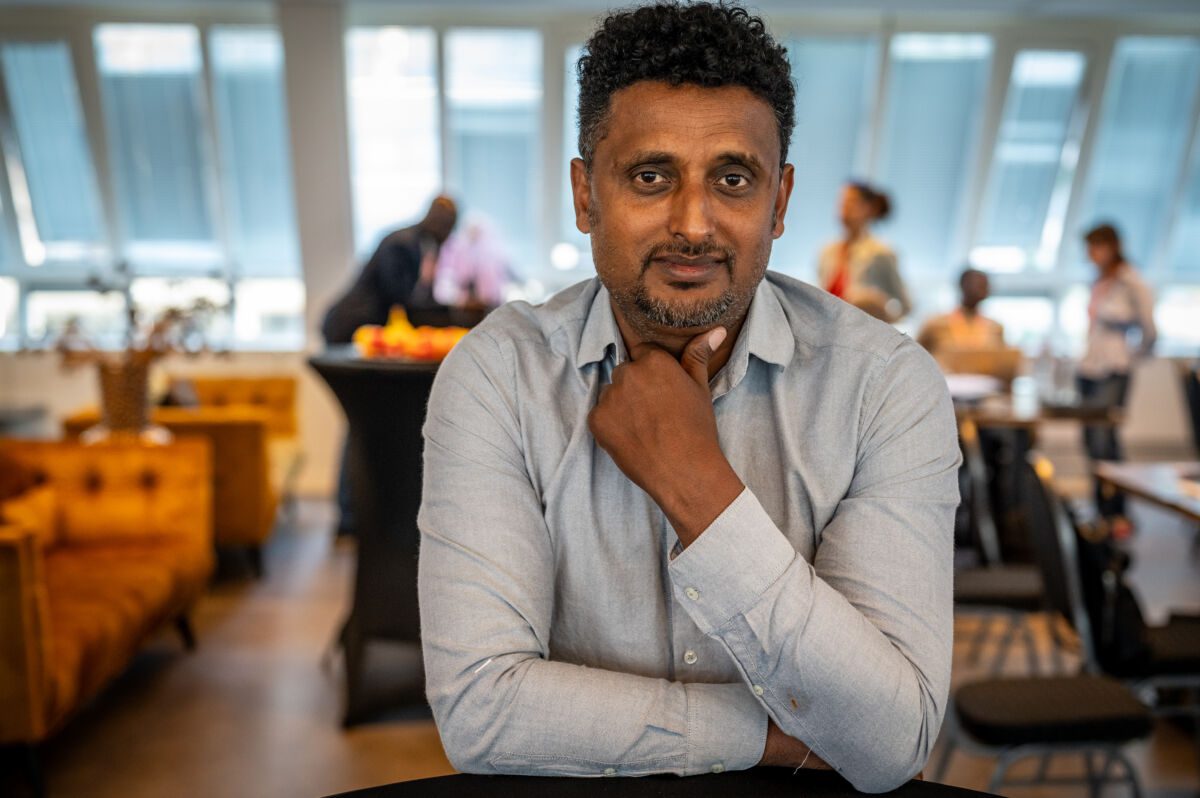
‘When the U.S. suddenly stops funding like that, it exposes just how dependent many countries are on foreign aid,’ he says with a wry smile. ‘Everyone panicked. In Africa, we sometimes forget that foreign taxpayer money will not be there forever. You have to find your own way.’
For Keah, the answer is clear: invest in local organisations that can build capacity and lead their own humanitarian response—organisations resilient enough to stand firm even when global funding dries up.
In South Sudan, he is now preparing a localisation conference. Because of the USAID cuts, localisation has suddenly become a hot topic. ‘If you approach localisation positively, you are not caught off guard by crises. You learn to use your own resources and find creative solutions. That is the mentality we need.’
Leave a Reply