To some, these are simple structures, symbols of lack and rural life. But to the Acholi people, grass-thatched houses hold stories, spirit, and identity woven into every strand. They are not signs of poverty, but living spaces of memory, belonging, and pride.
Text: Rwothomio Prosper
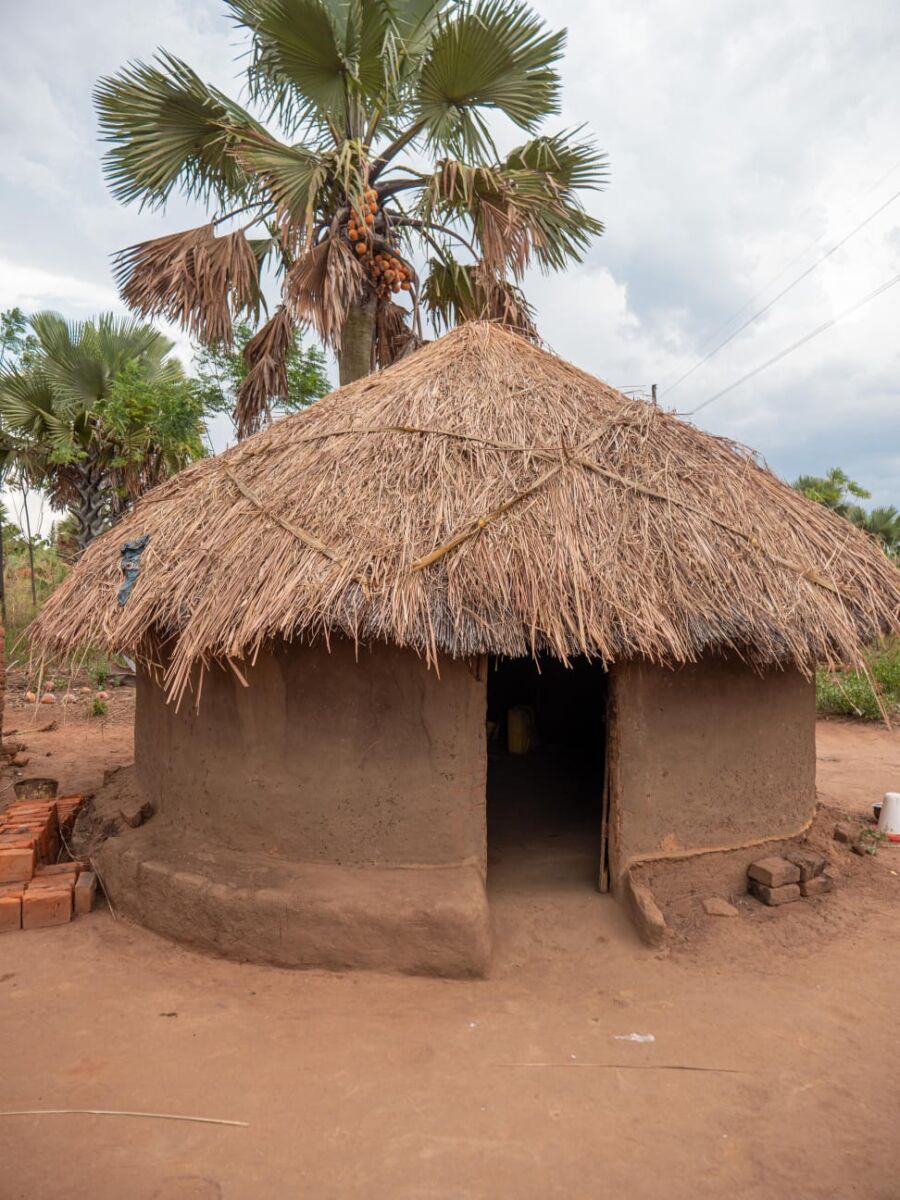
There is a deep misconception about the grass-thatched houses that define the Acholi landscape. Many see them as symbols of poverty. But what they fail to understand is that these homes are not signs of lack—they are expressions of identity, tradition, spirituality, and strength. What appears simple from the outside carries layers of meaning within. These houses are not just shelters; they are symbols of connection, linking people to their roots, their ancestors, and their sense of belonging.
As the saying goes, beauty lies in the eye of the beholder. To some, these structures may appear modest. But to us, they represent something far greater: our lineage, heritage, and pride. For if this is poverty, what is wealth that denounces tradition, lineage or origin? How will you know where you are heading if you do not know where you came from?
So before you call them symbols of poverty, pause—and look again. What you are seeing is not deprivation. It is culture. It is memory. It is identity. When I see a grass-thatched house in my grandmother’s compound, I feel a deep sense of connection. I see the spirit of Labongo alive. I see my ancestors smiling, knowing that we have not lost our roots.
In that space, I see peace, unity, strength, and quiet resilience. I see pride, not the kind shaped by the outside world, but one grounded in who we are. I refuse to accept the idea that these homes are symbols of poverty. My understanding of this truth began in childhood. I remember sitting around the Wang’o—the evening bonfire—with my grandfather on the night of 31st December 2008. It was his final night with us.
Under a wide, open sky, he spoke slowly, with the weight of a man passing on what mattered most. He told us that Acholi men were hunters and farmers, pointing to the land he had nurtured and the legacy he was leaving behind. He reminded my sisters of the strength of Acholi women—of pottery, weaving, and creation.
Then, with a fading voice, he said something that has never left me: “We, the Acholi people, do not beg. He who begs has lost the spirit of a true Acholi.” At the time, I did not fully understand the depth of those words. But today, they live within me. They shape how I see the world, and how I tell this story.
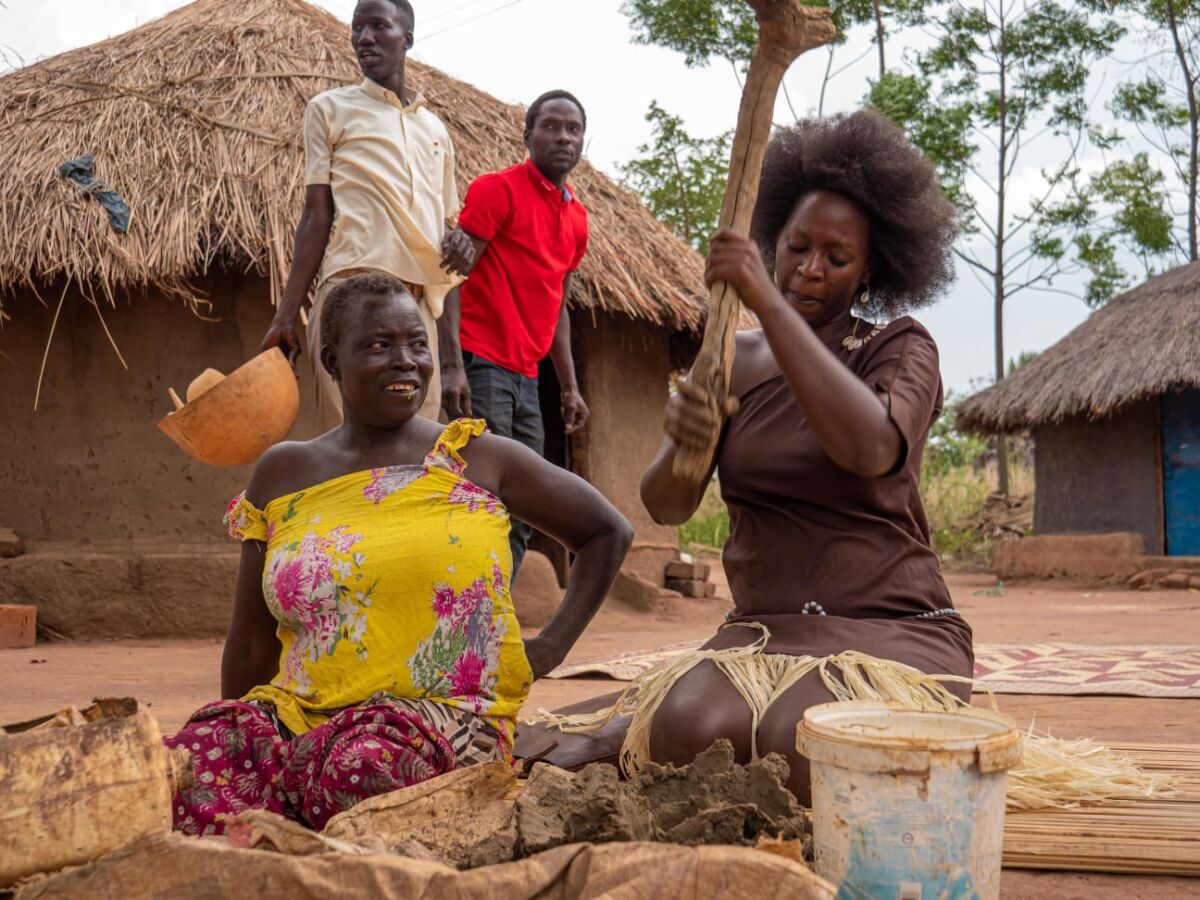
Redefining poverty
That is why it pains me to hear these homes reduced to symbols of poverty. Because what the world sees as a lack, I know to be an inheritance. What is dismissed as simplicity is, in truth, a legacy. So what, then, is poverty to us, the Acholi? Poverty is not found in grass-thatched houses, but in the loss of identity. It is in the moment our sons abandon their roots in search of what is foreign, forgetting the value of their own people.
It is when an Acholi woman returns home and rejects the food of her ancestors—the malakwang, the boo, the akeyo—meals that once carried the taste of home, memory, and belonging. It is when sacred trees are cut down from ancestral land, when spaces that hold the memory of those who came before us are treated as disposable. To us, poverty is anything that separates us from our roots—anything that dishonours our ancestors or weakens the bond between past and present.
We believe that when these connections are broken, the consequences are not only social, but spiritual. Disrespect for tradition invites imbalance, seen in hardship, loss, and disruption within the community. And when such moments come, we return to what grounds us. We gather within these grass-thatched houses—not in shame, but in reverence. There, we speak to our ancestors. We seek restoration. And in time, we find renewal—through rain, through harvest, through life itself.
So how, then, can such a place be called a symbol of poverty? What you see as simple, we know to be sacred. What you dismiss as ordinary holds the weight of memory, identity, and survival—woven into every strand of grass. Grass-thatched houses are not merely physical structures—they are sacred spaces woven into the spiritual life of the Acholi people. From birth to marriage and beyond, they hold deep cultural significance.
When a child is born, they are first brought into the inner space of the grass-thatched house before being introduced to the outside world. It is believed to be a place of protection, grounding the child within the lineage of their ancestors.
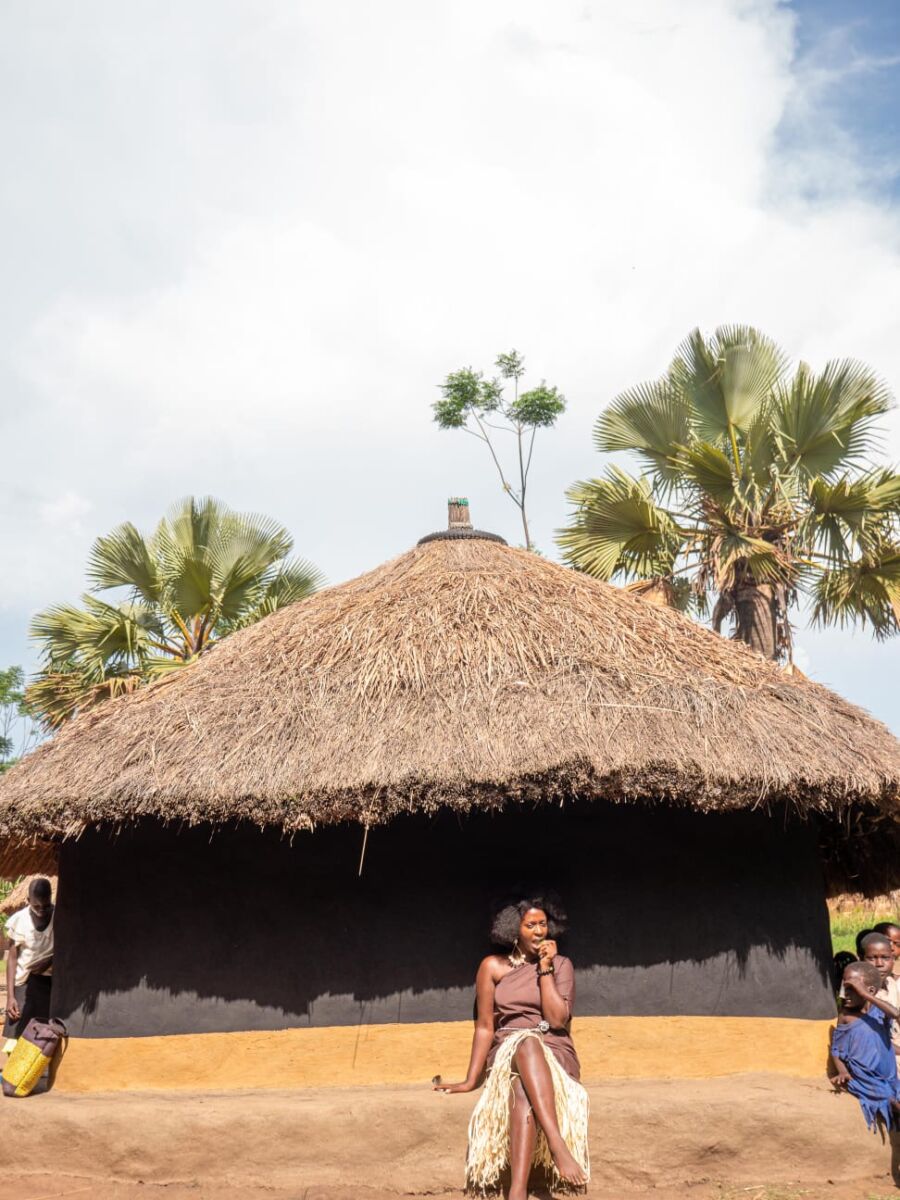
Sacred gathering spaces
These homes are not separate from the spiritual realm—they are part of it. The presence of ancestors is felt within them, embedded in memory, ritual, and belief. This is why they are treated with reverence, not disregard.
Certain rituals can only be performed within these spaces. For instance, when twins are born, specific cleansing ceremonies must take place inside a grass-thatched house. These practices are not incidental—they are essential expressions of cultural continuity.
While grass-thatched houses can also be found among neighbouring communities such as the Madi, Alur, Lango, Teso, and Karamojong, those of the Acholi carry a distinct identity. Their circular form is not just architectural—it symbolises unity, continuity, and connection to the spiritual world.
This cultural significance extends into marriage traditions as well. In Acholi custom, a groom is required to crawl on his knees into a grass-thatched house within the bride’s family compound. This act is not humiliation—it is humility. It is a gesture of respect, a symbolic entry into the cultural and spiritual foundation of the family.
It is believed that honouring this tradition invites blessings, while neglecting it risks misfortune. In this way, marriage is not just a union between two individuals, but a connection between families, ancestors, and shared values.
Even the act of building a grass-thatched house for a bride’s family carries meaning. It is a sign of respect, commitment, and a promise of unity. These practices reveal a deeper truth: grass-thatched houses are not symbols of poverty, but pillars of identity—spaces where culture is lived, protected, and passed on.
Is a twilight’s hush, where shadows play,
A grass-thatched house stands, in gentle sway,
Whispers of the past, in every stand,
A haven from the world, where love and peace expand.
The thatch, a canvas, woven with care,
A masterpiece of grass, in earthly scents shared,
The roof, a gentle slope, a sloping green,
A sanctuary from life’s storms, where heart and soul go serene.
Inside, the warmth, a cracking fire’s glow,
A haven from the world, where love and laughter flow,
The soft rustle of grass, a soothing serenade,
A symphony of peace, in this grassy shade.
In this thatched abode, time stands still,
The world outside fades, as memories fulfil,
A sense of belonging, of roots that run deep,
In this grass-thatched house, the heart finds its keep, the spirit of Acholi rests!
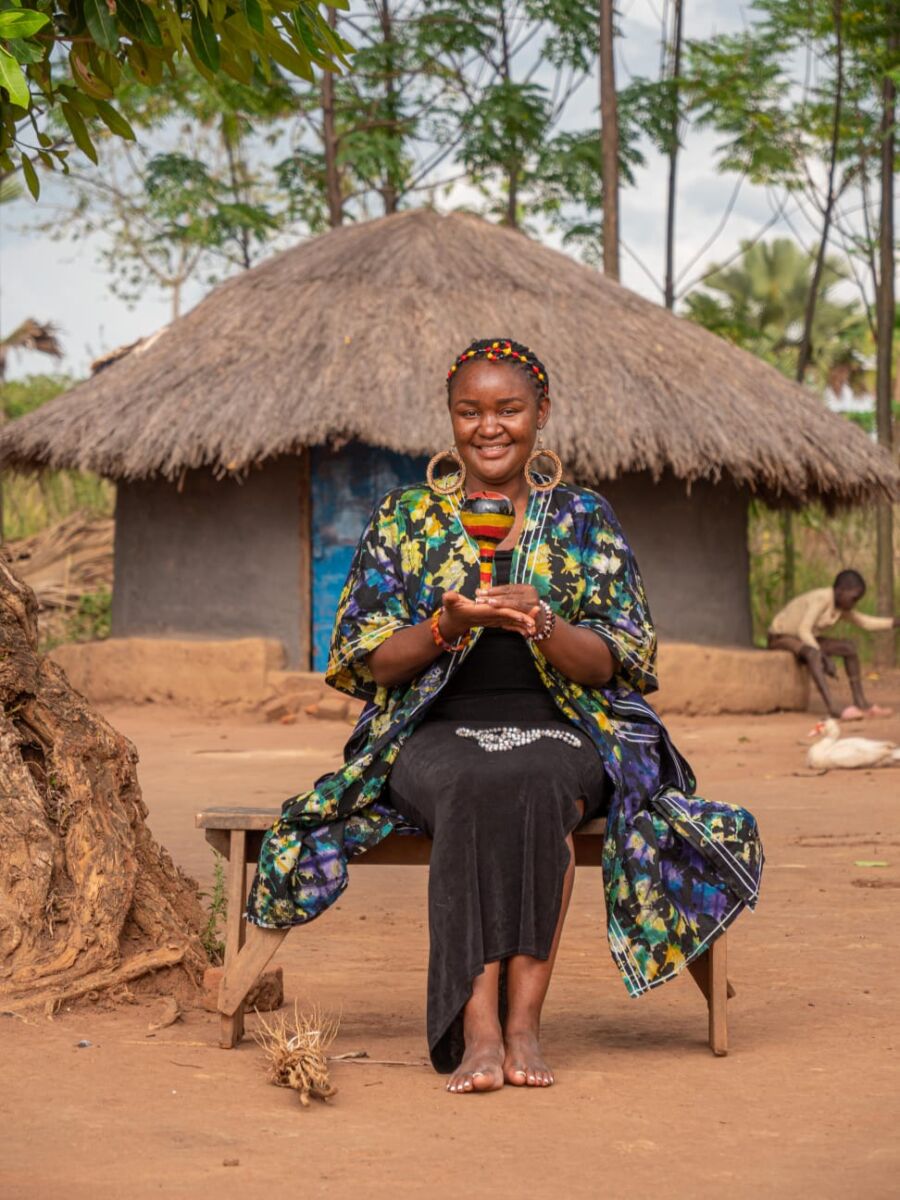
As an Acholi proverb reminds us, “If one grass falls from a house, it does not make the house leak.” Not everyone will understand the truth behind these homes—and that is all right.
But as long as the story is told, as long as the meaning is preserved, that truth will endure. For too long, the world has misunderstood what it sees. It has mistaken identity for lack and heritage for hardship. But this is not poverty. It is our culture, tradition and pride.
Leave a Reply