Ghana Cannot Afford to Get This Wrong
A statistic of 22.5 percent of Ghana’s youth unemployed, nearly 1.4 million young people with no work, no wages and dwindling patience, is enough to put a country in a pensive mode. Wave after wave of demonstrations littering the streets of a youthful nation over three decades is a sobering sore any forward-thinking government must subject to clinicals. As I sat in the auditorium at La Palm Royal Beach Hotel on 9th June 2026 witnessing the grand launch of the Ghana Women and Youth Employment and Social Cohesion Program, the volume of speeches felt redundant. With failed program, structural blind spots, obsolete tools and the broken promises of GYEEDA and NABCO still fresh in public memory, I wondered whether this was another rebranded gimmick paddling a mirage of progress while the real problem waited at the entrance. These were fleeting thoughts that outpaced my reasoning till the CEO of the Social Investment Fund, Abass Nurudeen, stepped to the podium.
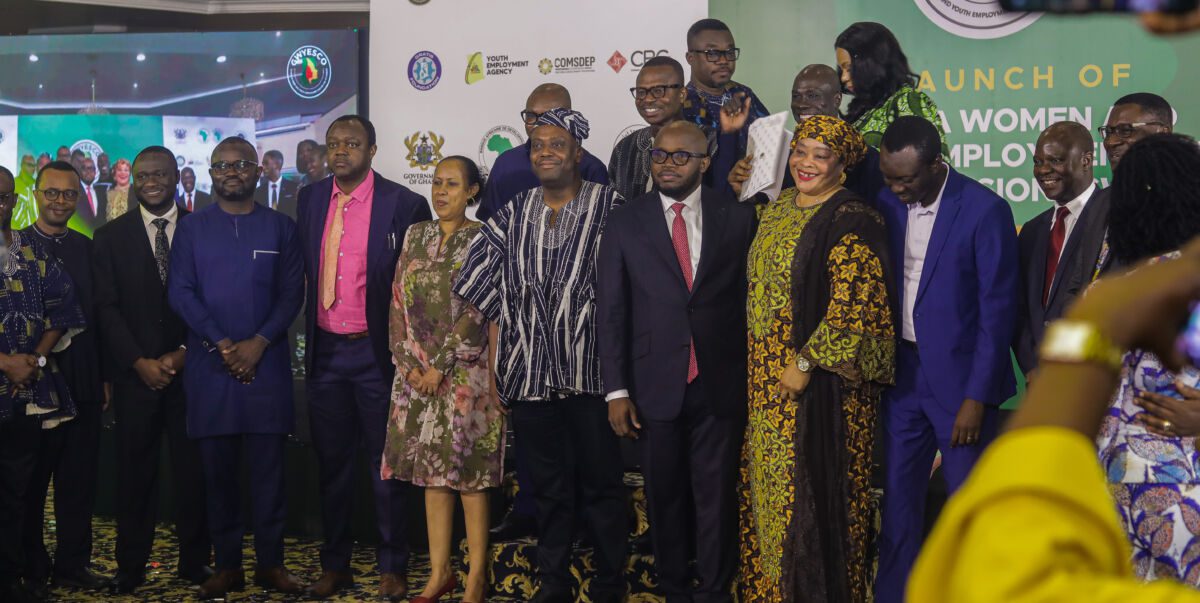
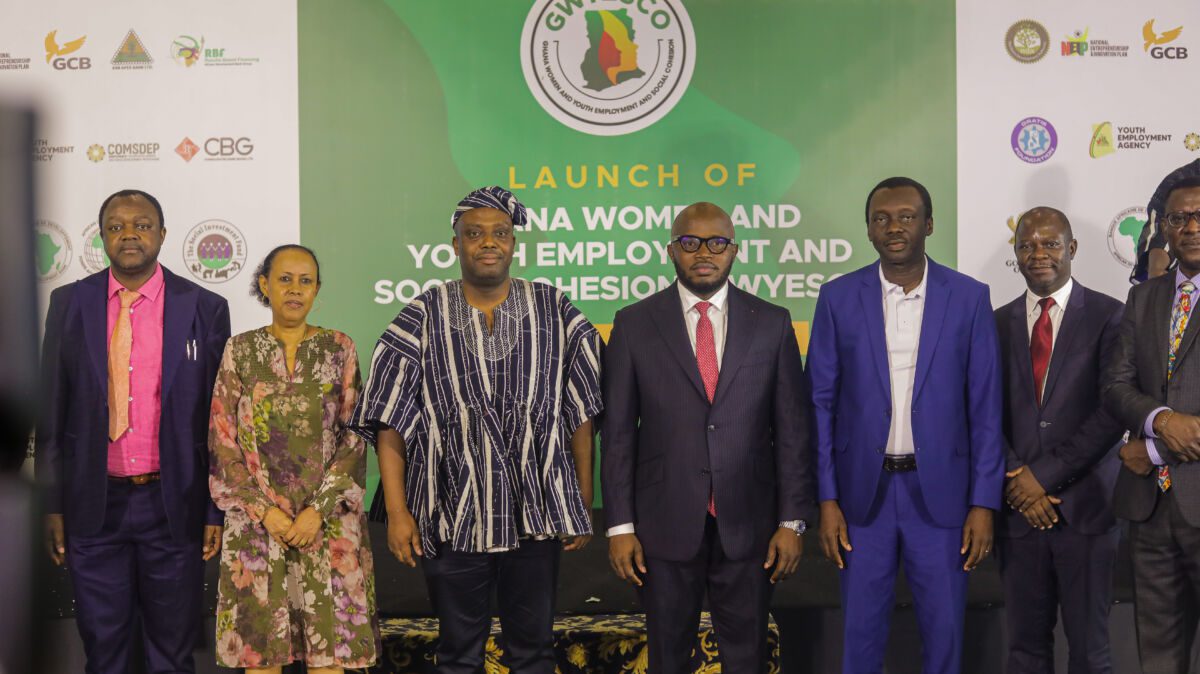 Hon. Thomas Nyarko Ampem: Deputy Minister for Finance and MP for Asuogyaman in striking blue-and-white striped traditional smock, Halima H. Hashi AfDB Country Manager – woman on the left, Abass Nurudeen CEO of the Social Investment Fund in glasses and other implementing partners.
What Is the GWYESCO Program
As a young Ghanaian woman who has watched peers’ queue at government offices with certificates yet no job offers, who have seen first-hand entrepreneurial ambition collapse against the wall of inaccessible credit, I have developed a particular sensitivity to the difference between the language of intention and the language of architecture. Nurudeen was speaking the latter.
“This program is a national commitment to our young people and our women. It is designed to enhance their resilience and living conditions by promoting economic inclusion and social cohesion through job creation, entrepreneurship, access to finance and skills development.”
Under this program, Nurudeen outlined, “beneficiary women and youth will acquire digital, technology, technical, vocational, agribusiness and creative industry skills. TVET centers will be renovated, built and equipped. MSMEs will receive entrepreneurship support, business development services and access to financing facilities.”
African Development Bank Country Manager added the scale: “With a grant of USD 71 million, the program is expected to create 28,000 direct jobs and more than 6,000 indirect jobs. It will support the innovation and improvement of ten training centers and train 28,000 women and youth in STEM, digital and creative processes, including emerging areas such as artificial intelligence.”
Sitting there, I did the only thing a journalist trained by lived experience could do. I held those numbers against the reality I knew and asked whether the architecture behind them was finally different enough to make them real.
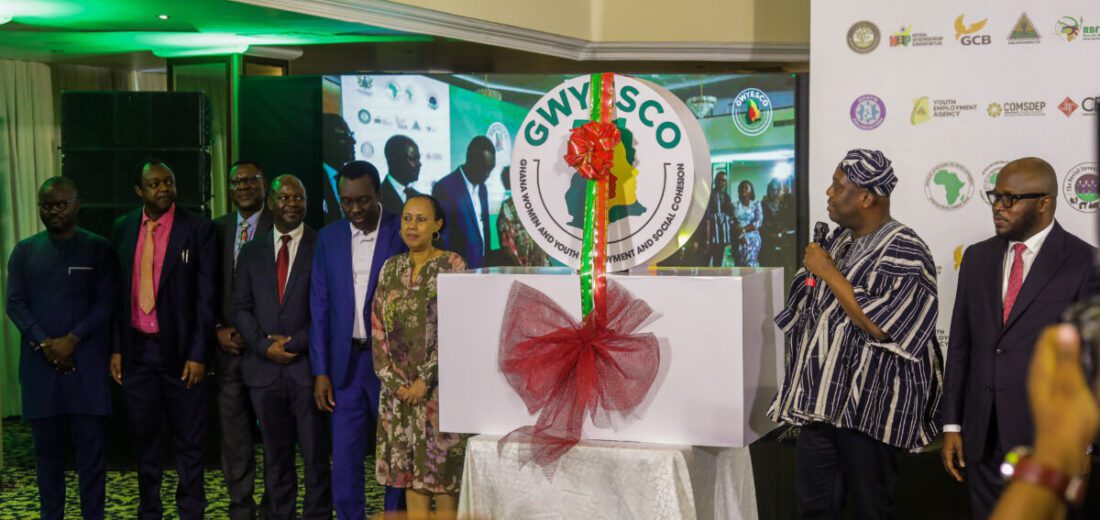
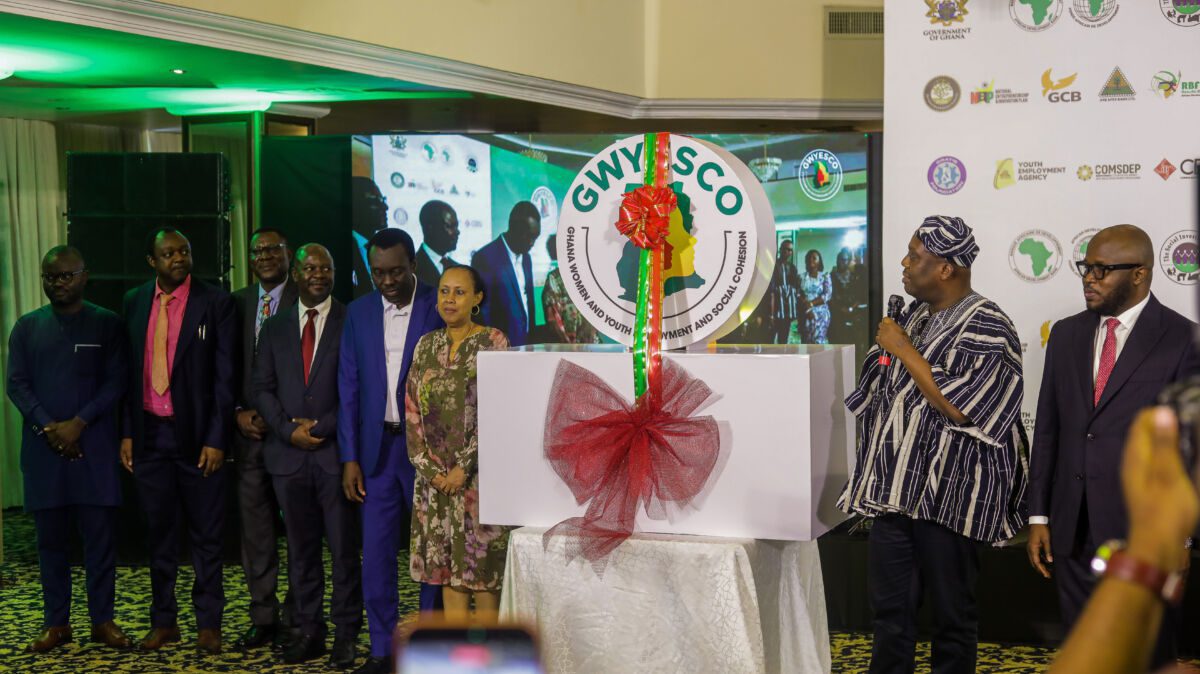 Official launch of the Ghana Women and Youth Employment and Social Cohesion (GWYESCO) Program
A Problem Too Big to Ignore
From the #FixTheCountry marches of 2021 to the #AriseGhana protests to the Gen Z uprising of 2024. Ghana’s youth unemployment crisis has long outgrown the comfort of data. We are increasingly witnessing a dangerous reality where opportunity disappears, and the instability of desperation emerges. This glaring facts calls for solutions that are not just goodwill intentions rather are pragmatic and effective. Every program that failed before this one had one thing in common; funds were realized before the results were delivered. GWYESCO breaks that cycle. “What makes the GWYESCO program particularly different is its results-based financing mechanism. Under this approach, financing is linked directly to measurable results and verifiable outcomes. This means that investments are not tied merely to activities conducted but to real impact achieved. This is a shift from financing inputs to financing impact.” Nurudeen stated
Unlike investment program, the government does not receive the next tranche of funding for conducting activities. It receives it for producing results that a third party has confirmed are real.” The AfDB Country Manager, Halima H. Hashi reinforced this at the podium.
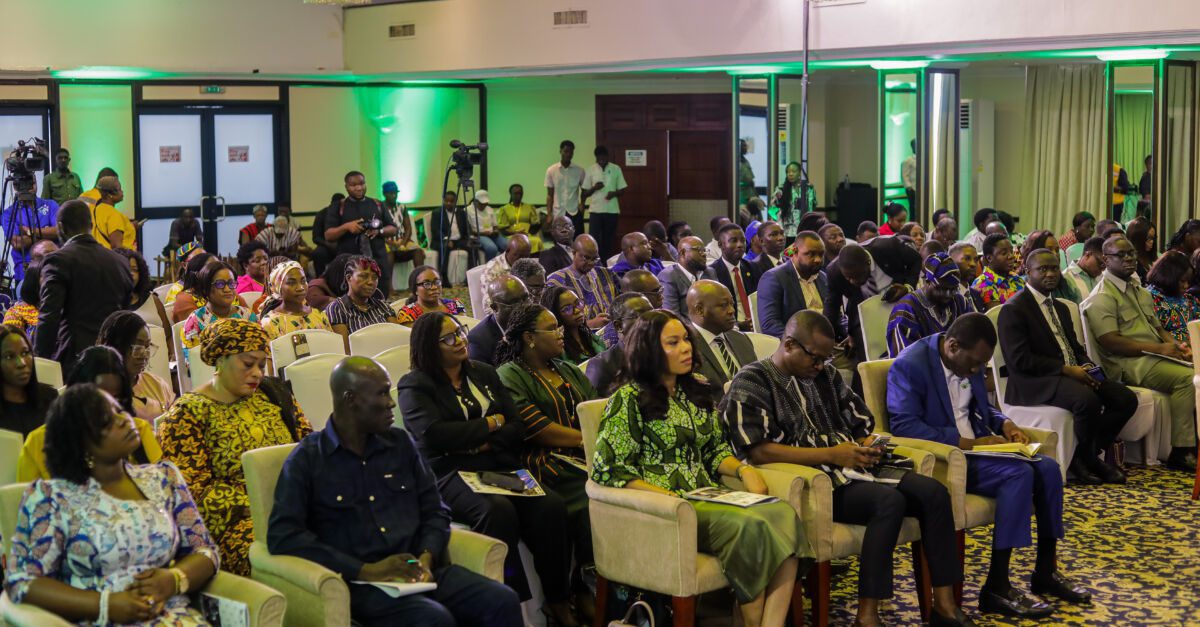 Attendees at the official launch of the Ghana Women and Youth Employment and Social Cohesion Program
Finance Meets Skills
One of the most persistent failures of past interventions was the gap between training and capital. GWYESCO closes that gap deliberately. GCB Bank and Consolidated Bank Ghana are structural implementing partners in the program. A dedicated micro-credit financing facility for women and youth-owned MSMEs will be established. “GWYESCO deliberately combines training with financing, mentorship, enterprise support, market access and business formalization.” Deputy Minister of Finance Hon. Thomas Nyarko Ampem emphasized.
For the first time in Ghana’s history of youth employment program, a young person who completes training has a documented pathway to credit from a licensed commercial bank, not a government loan scheme that may or may not have funds in any given year.
Conclusion
Talent without opportunity becomes wasted potential. As I walked out of that auditorium, I knew I had witnessed a structural shift. As a young Ghanaian woman bearing the exhaustion of a generation that has learned to survive on little hope in government, what I witnessed felt structurally different from the theatre of goodwill I expected. For once, the architecture suggested that a youth in the Northern region, an urban hustler or an entrepreneur nursing a dream in silence might finally find a structured, ready and resourced pathway to realize it. Ghana Cannot Afford to Get This Wrong.
Leave a Reply