Water and localisation: Learning in all directions
From the wetlands of South Africa to Dutch polders, water carries stories of adaptation, learning, and collaboration. In these journeys, knowledge flows both ways: local expertise informs global practices, and shared solutions strengthen communities. Reciprocal partnerships and capacity building are transforming water governance, creating resilient systems rooted in lived realities.
Water transcends borders; it is a theme that connects us worldwide. It brings together villages, regions, countries, people, and flows of knowledge. Precisely for that reason, it is a powerful lens through which to view localisation.
It highlights the shift of aid and expertise from north to south, from ‘bringing’ knowledge to ‘exchanging’ knowledge. After all, water management is by definition local. Yet it always touches on global themes such as climate, justice and democracy.
The Netherlands often sees itself as a water country, with its polder model, dykes, and delta works. But in countries where flooding, drought or salinisation are a daily reality, another kind of wisdom lives—that of living with water instead of against it.
Localisation in the water sector does not mean that the Netherlands becomes less relevant; it means it becomes part of a larger, more reciprocal conversation. A conversation where expertise does not move in a single direction but flows back and forth, like ebb and flow.
And, according to the experts we spoke to, it is exactly in that reciprocity that the future of sustainable water management lies.
For this Localisation Special, we spoke with three individuals who have experienced this exchange firsthand in their daily work: Liesbeth Wilschut from the Blue Deal programme (Dutch Water Authorities), Marinus van Dijk from Water Board Vallei en Veluwe (Blue Deal South Africa), and Melvin van der Veen from Both ENDS.
Together, they offer three perspectives on what equal cooperation and mutual learning in the water sector can look like—from policy to practice, and from north to south, and vice versa.
Liesbeth Wilschut
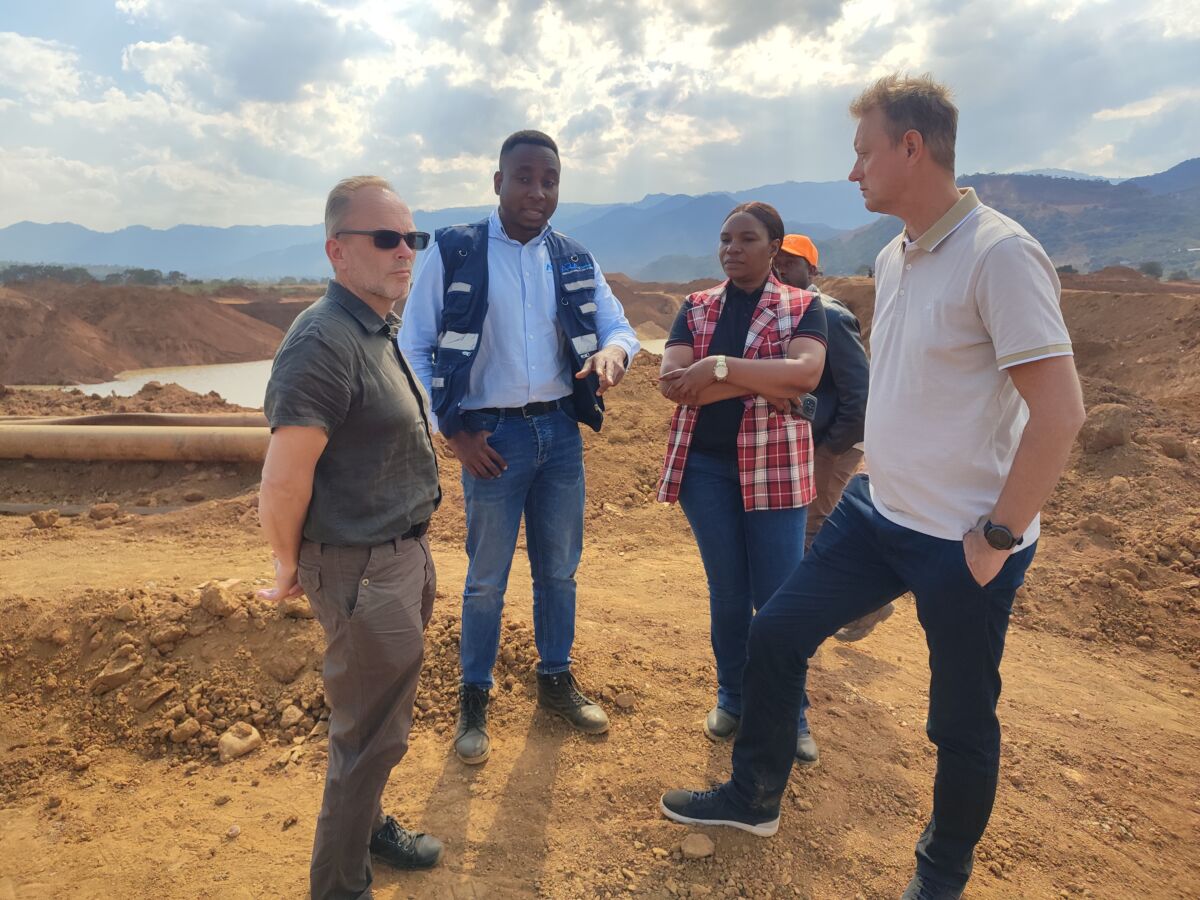
‘Blue Deal is a capacity-building programme. We work in fifteen countries through seventeen partnerships, all built on equality and peer-to-peer cooperation,’ says Liesbeth Wilschut from the Blue Deal programme office.
‘Local partners determine for themselves what knowledge and support they need. That allows us to align with their context and priorities. The aim is sustainable improvement of water management and water governance—not by bringing money, but by exchanging knowledge.’
Blue Deal connects Dutch water boards with water boards and river organisations abroad. It is not a classical aid relationship, Wilschut stresses, but a peer-to-peer cooperation without power imbalances.
‘A Dutch water board employee works with someone in Ethiopia who does the same job. They speak the same professional language. And because we do not arrive with a bag of money, the usual power dynamics fall away.’
Learning is at the core of the programme; ‘in all directions,’ as she puts it. ‘We facilitate communities of practice where experts from different countries exchange knowledge on themes such as nature-based solutions and water allocation.
‘That is where real conversations arise between professionals who understand each other’s realities. Sometimes we organise regional gatherings, but increasingly these networks form organically. You see partners finding each other directly.’
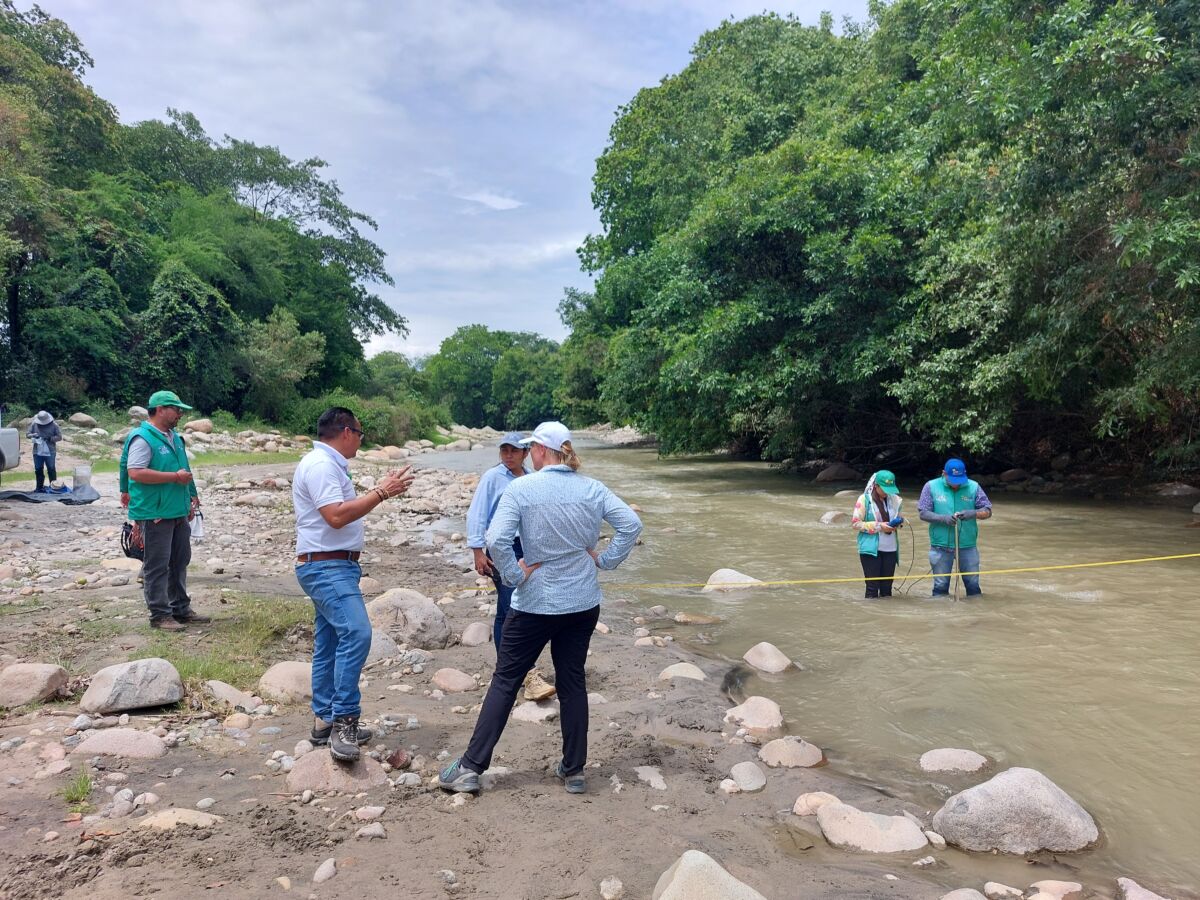
This learning works in two directions. ‘In Colombia,’ she says, ‘we work with partners who put nature-centred thinking first—living with nature instead of building against it. In the Netherlands, we tend to believe strongly in makeability, but with climate change, we are realising that this approach is reaching its limits. From Colombia, we are learning to see water again as a partner.’
Mozambique also shows how local solutions can hold global relevance. ‘There they use sand dams—nature-based, cost-efficient structures that retain water in dry areas. They work, and they inspire us, too.
‘A Centre of Excellence is even being established there to disseminate knowledge about sand dams. Most of that knowledge now circulates within the country itself, and increasingly from south to north,’ she states.
Still, she acknowledges that bringing lessons home—and actually applying them—can be improved. ‘We have knowledge agendas to anchor lessons from abroad, but in practice, we are not always very good at this. You return from a work visit, dive straight back into dike reinforcement, and almost forget to reflect on what you learned. There is still work to do.’
A new generation is helping to open things up. She continues: ‘Within the Blue Deal, we work with the Young Expert Program. In each country, a young professional is involved—people who learn from one another and build networks.
‘Six years on, you see that some of them now hold key positions in the water sector. Young people accelerate the learning process because they are open to new ideas and approach things from a different perspective. That may be one of the most valuable outcomes of the programme,’ she reveals.
Marinus van Dijk
While Liesbeth highlights the frameworks and structures that enable knowledge exchange, it is in the field where these lessons truly come alive. Marinus van Dijk offers a perspective grounded in local realities, showing how reciprocity and mutual learning unfold.
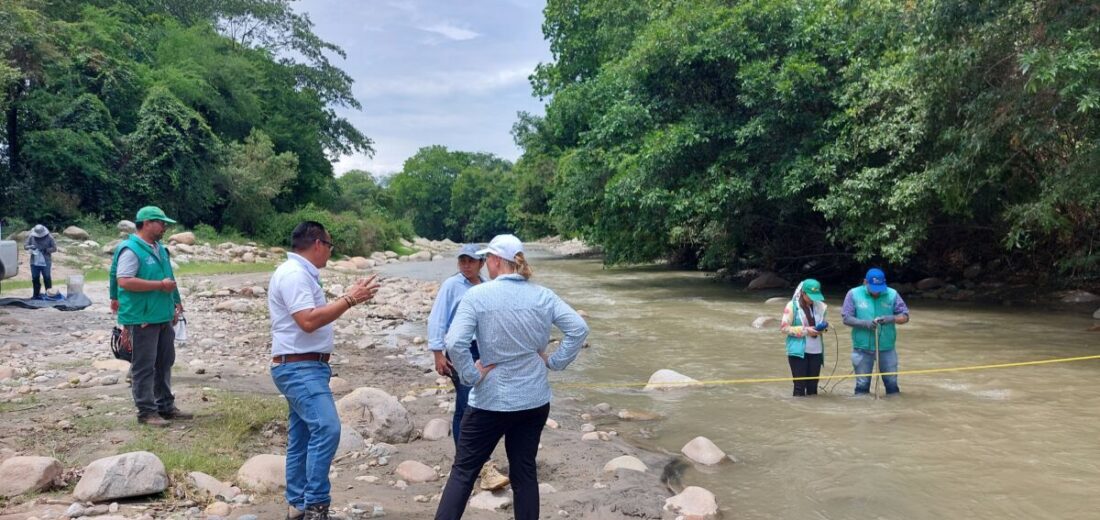
‘I work through the Blue Deal in South Africa,’ Marinus van Dijk says, ‘in the area of the Blesbokspruit—once a beautiful wetland, now partly overgrown with water hyacinth and suffering from poor water quality.’
‘We work there to improve water health and the surrounding living environment, together with local partners. Everything depends on understanding how responsibilities and relationships are organised locally. Who is responsible for what? Where is the money? Who reports to whom? Without that insight, you cannot achieve anything.’
For Van Dijk, working in South Africa is an exercise in letting go. ‘If you approach the context through a Dutch lens— ‘this is how it should be, this is how we do it at home’ —you get stuck. You really have to immerse yourself in the local reality. Things are more hierarchical there. In the Netherlands, you call someone directly; there, that is not self-evident. First, you build the relationship, and only then does the cooperation follow.’
That quickly became his most important lesson. ‘I went there thinking: I am bringing knowledge and expertise. However, I discovered that knowledge is about thirty percent of what you contribute.
‘The real impact comes from connecting—bringing people and organisations together, creating momentum, getting things moving. And being willing to adapt as insights shift or circumstances change. That part is actually fun to experience.’
Sometimes he even brings ideas back to the Netherlands. ‘In South Africa, they increasingly use satellite data to monitor water use. They skip an entire step. While we measure and install sensors, they rely on smart data analysis. We can learn from that.’
Their collaboration with the private sector also inspires him. ‘At first, we mainly worked with governments and nature managers, but it soon became clear that you cannot get far without entrepreneurs.
‘Companies bring knowledge, funding and a results-oriented mindset. That combination of government, research and business—that ‘triangle’—is something we could make much better use of here as well.’
According to Van Dijk, reciprocity is essential. ‘We bring knowledge, but we also learn just as much. In South Africa, water is never taken for granted. They understand far better how to deal with scarcity—using small dams, basins and smart storage. We could still learn a thing or two about using water more sparingly and consciously.’
His conclusion is clear: ‘The Blue Deal is a long-term learning journey for both sides. Building a relationship takes time. We have made many great plans, but in the coming years, we also need to show results on the ground. That is the real challenge: not just talking about cooperation, but showing what it delivers.’
Melvin van der Veen
For Melvin van der Veen, localisation is not a new policy trend but something that has always existed. ‘People who face problems and start their own initiatives—that is localisation. It is deeply human,’ he says.
‘It is not about carrying out a project somewhere in Kenya with a bag of money, but about strengthening existing initiatives that grow out of local needs.’
Van der Veen works at Both ENDS, an organisation that has collaborated for decades with groups close to local communities—people who directly experience the impacts of infrastructure, trade, and climate change.
For him, localisation is rooted in reciprocity: ‘We do not go to other countries to dictate what sustainable water management should look like. Often, centuries-old practices are already effective. In an equal partnership, they shape our agenda just as much as we do. Our role is to elevate that knowledge with policymakers here.’
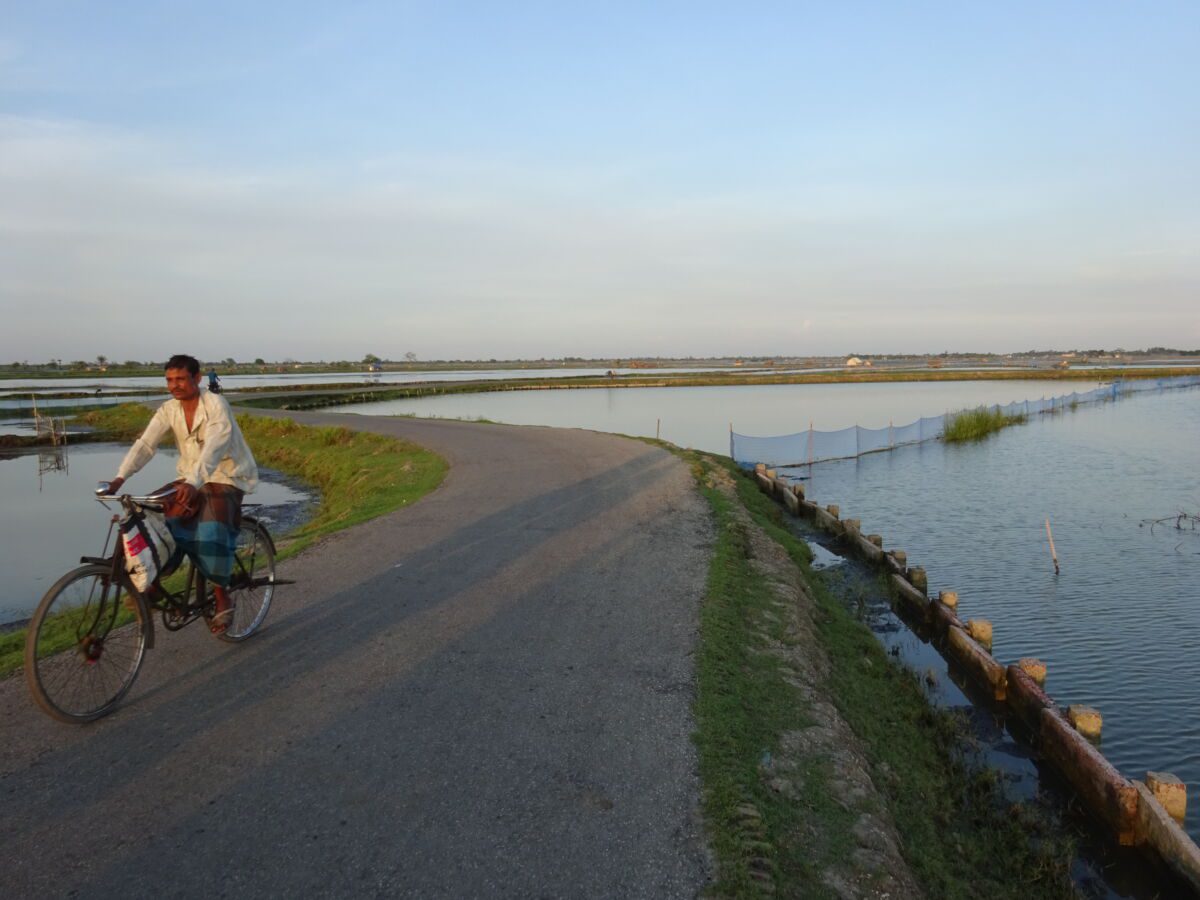
An important example comes from Bangladesh, where Van der Veen works regularly. There, he observed how communities shape the management of their polder landscapes from the ground up. These areas, originally designed in the 1960s with the best intentions to prevent flooding, are now highly vulnerable to sea-level rise and the impacts of climate change.
‘Together with local inhabitants, and with support from engineers and governance specialists, we developed an approach called community-based Tidal River Management,’ he explains.
‘It is a kind of alternating polder system, similar to what we know in the Netherlands, but grounded in centuries-old practices and local knowledge. This approach restores natural land formation by allowing fertile silt from tidal rivers to settle again on former floodplains.’
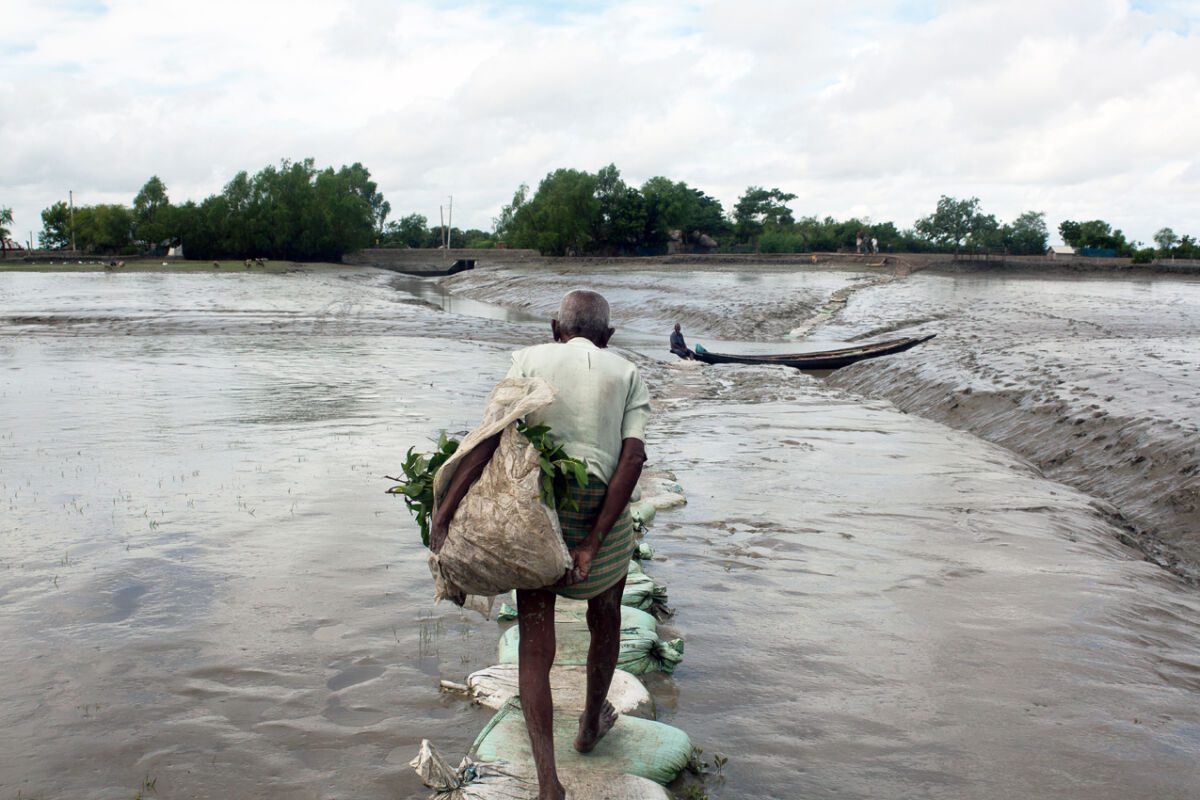
Van der Veen sees lessons from these practices for the Netherlands. ‘We have lost touch with water, and especially with the decision-making around it. We have voting rights for the water boards, but we hardly know what we are voting on,’ he observes.
‘Water management is a defining feature of the Netherlands, and it concerns everyone—especially as drought, salinisation, and sea-level rise increase.’ He draws inspiration from the countries where he works: ‘In Bangladesh or Kenya, people gather under a tree to discuss water and their living environment. That kind of societal conversation, we have lost here.’
According to him, the Netherlands can also learn from new forms of citizen participation emerging elsewhere. ‘Deep democracy in South Africa, or citizens’ assemblies that grow organically from communities themselves—that is exactly what we need here. Not only top-down policy, but learning and acting together.’
For him, localisation is ultimately a global movement of mutual learning. ‘We can learn technically from the Global South for our climate adaptation—about saline agriculture in Bangladesh, agroecology in Kenya—but especially socially.
‘How can we talk to each other again, take ownership, and share solutions? Localisation is not just about shifting money or power, but about living together. About learning from one another, all over the world.’
Leave a Reply