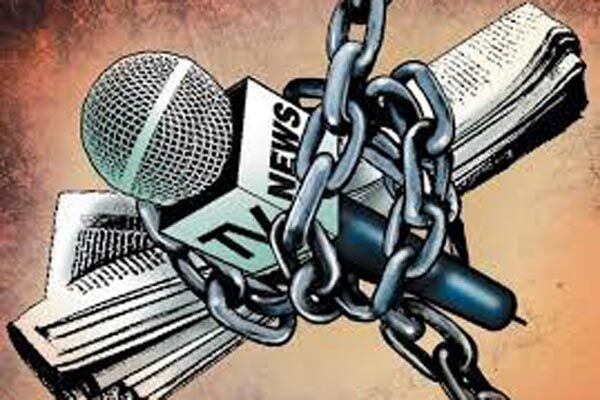
When Good Work Goes Unseen: The Visibility Gap in Media Professionals’ Reputations

In today’s digital age, public perception is often shaped not just by what is done—but by what is seen. For many media practitioners and professionals, this reality has significant implications.
Journalists, editors, producers, and other media workers do tremendous work behind the scenes. They investigate stories, elevate voices, and drive positive social change. Yet, many rarely take the time to showcase their work publicly—whether through personal websites, professional portfolios, or even brief highlights on their social media platforms. This lack of visibility may not seem consequential—until something goes wrong.
When a journalist becomes the subject of controversy or scandal and begins to trend online for the wrong reasons, the absence of a visible, public record of their positive work becomes painfully apparent. With little to balance the narrative, a single misstep or accusation—whether fair or not—can quickly become the defining story. The public, lacking context or counterweight, often amplifies the negative. The result: years of meaningful work are overshadowed by one damaging headline.

This isn’t just about personal branding or ego. It’s about narrative control and professional legacy. In a time when attention is currency and online platforms shape reputations, the failure to document and share good work can leave even the most dedicated professionals vulnerable to one-dimensional portrayals.
Of course, many in the media world have traditionally operated behind the scenes, guided by humility, ethics, or the belief that the story should speak for itself. But the media landscape has changed. Visibility is no longer optional—it’s protective.
It’s time for media professionals to rethink how they tell their own stories. Celebrating one’s impact doesn’t diminish the integrity of the work; it reinforces its value. It also creates a buffer against unfair narratives and reminds the public that no one should be defined by a single moment, especially when their broader contributions tell a very different story.
Why Media Professionals Must Start Telling Their Own Stories
There’s a quiet irony in the media industry: the very people who are masters at telling others’ stories often neglect their own. Many journalists, editors, and media professionals are doing incredible, impactful work—day in, day out. They break important stories, amplify underrepresented voices, and hold power to account. But far too often, that work stays hidden. It’s not shared on personal websites, LinkedIn posts, or even a simple tweet.

Why does that matter?
Because the moment one of them is involved in a controversy or scandal—fairly or unfairly—the public has no context to lean on. There’s no visible track record of their impact or integrity. Just one trending headline that risks defining their entire career.
We live in a time where perception is shaped by visibility. If you’re not shaping your own narrative, someone else will—often based on a single moment, not your body of work.
This isn’t about ego. It’s about protecting your professional legacy. Media professionals need to start documenting and sharing the good. Not for vanity—but for balance. For context. For truth. It’s okay to “shout” about the work you’re proud of. In fact, it’s necessary.
Let your impact be seen—before someone else tries to rewrite your story for you.
Scandal Culture and the Silent Media Professional: A Kenyan Perspective
In Kenya’s increasingly digital public square, social media has become both a stage and a courtroom. One tweet can spark national debate. One clip can ruin a reputation overnight. And in the midst of this volatile environment, media practitioners—those meant to report the news—are increasingly becoming the news.
A disturbing trend has taken root: a culture of scandal that thrives on outrage, half-truths, and viral momentum. Kenyan media professionals—journalists, anchors, producers, and even commentators—are often at the center of these digital storms. One controversial opinion, personal misstep, or alleged scandal can lead to a flood of online condemnation, memes, and calls for “cancellation.”
But why are these moments so defining—and so destructive?
The Visibility Gap
Ironically, while media professionals shape public narratives every day, many fail to shape their own. Much of their important work—investigative stories, human-interest features, community impact—is buried in newsrooms, airwaves, or forgotten timelines. Few take the time to showcase their achievements or consistently share their impact on personal platforms like LinkedIn, Instagram, or personal websites.

So, when controversy strikes, there is little public goodwill to balance the story. The audience, lacking any deeper context, often believes the worst.
What follows is a familiar cycle: outrage, trending hashtags, reputational damage, and silence.
A Double Standard?
In Kenya’s hyper-connected society, media professionals are judged more harshly than many others. Part of this is because of their visibility. They are public figures, and with that comes scrutiny. But another part is cultural—there’s often a deep-seated skepticism toward journalists, fueled by political affiliations, past media failures, or assumptions of elitism.
Still, the playing field isn’t fair. A business leader or politician might survive a scandal by redirecting attention to their track record or recent initiatives. But for a journalist with no visible portfolio of public trust or impact? There’s nothing to fall back on.
Why This Matters
When the public only sees scandals and never the service, it diminishes journalism as a whole. It creates a dangerous perception that media is corrupt, shallow, or attention-seeking—when in reality, many professionals are doing tireless, often thankless work under difficult conditions.

This isn’t to say we should excuse wrongdoing. Accountability is essential. But we also need balance—and that begins with visibility.
Time to Own the Narrative
It’s time for Kenyan media professionals to shift how they show up online. Below are some simple steps;
- Start small.
- Share a behind-the-scenes look at a meaningful story.
- Post about the communities your work has impacted.
- Reflect on challenges you’ve overcome in the field.
- Document your wins—quietly but consistently.
Not as self-promotion, but as a way of preserving your narrative in a space that rarely waits for explanations.
Final Thought
In a culture where virality often overshadows value, silence is no longer a form of humility—it’s a risk. Kenyan media professionals must begin to claim their space, tell their stories, and build digital reputations that reflect the full scope of their work—not just the worst moments.
If you don’t write your own legacy, someone else will. And they might only need 280 characters to do it.
Edited by Pius Okore.
Leave a Reply