From One Computer to a Digital Future: How Computer Works Uganda Is Bridging the Divide
For many children in Uganda’s underserved communities, a computer remains something seen from a distance. Computer Works Uganda is changing that reality, one laboratory at a time, turning access to technology into skills, confidence and opportunities for people too often left behind.
 In Uganda, growing up with access to a computer has long been considered a privilege reserved for the wealthy and elite. Anyone using a computer was often viewed as belonging to a higher social class. This perception stems from the fact that, for many years, a large proportion of the population had never had access to a computer or the opportunity to learn how to use one. Even today, well-equipped computer laboratories are largely found in urban schools attended by children from wealthy and middle-income families.
But what about schools in remote villages and informal settlements? For many children growing up in remote areas like Nkuke in Masaka District, a computer is something they only hear about or see from a distance. It remains beyond their reach, yet these same children eventually enter the job market to compete with peers who have enjoyed years of digital exposure. Recognising this growing digital divide, John Kyakuwa, the founder of Computer Works Uganda, decided to become part of the solution by donating computers to disadvantaged communities across the country.
Kyakuwa was born in Nkuke and raised in Kiwawu, Mityana District. Because his large family had limited resources, some of the children were placed in the care of relatives. He was raised by his late aunt, Mary Namande Ggonjo, while his mother, Tebajjukira, worked difficult jobs, including selling pancakes and cultivating other people’s gardens, to support her children’s education.
His interest in technology began when an elder brother returned from abroad with the first computer he had ever seen. Inspired by the experience, Kyakuwa, who was on the verge of dropping out of school due to a lack of resources to fund his university education, worked during his Senior Six vacation, earning money through farming.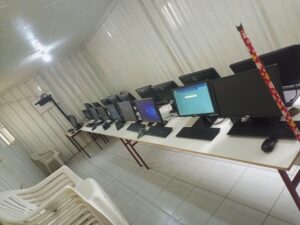
Bridging the digital divide
This enabled him to enrol in a Cisco Certified Network Associate course at Makerere University. To afford his education, he attended lower-cost overnight classes from midnight to six in the morning, and worked during the day. Despite financial hardship and exhaustion, he completed the course through determination and resilience.
For him, gaining access to technology was not enough; he wanted to share his knowledge with others and uplift his community. In 2005, at the age of 21, he founded Computer Works Uganda. He began training young people in basic computer literacy using a Pentium II computer, the only equipment he could afford, after earning money from temporary painting jobs while studying at Makerere University. Teaching others soon became more meaningful to him than the profits generated by the business.
Kyakuwa attributes his passion for community service to the values instilled in him by his strict but purposeful aunt, who raised him in a household of 23 children, many of whom were under her care. She trusted him with significant responsibilities, including managing her retail shop and selling fish in neighbouring villages. Through these duties, she taught him the importance of hard work, trustworthiness, self-discipline, and accountability.
“My aunt strongly believed that hard work brings results. She often reminded us that a person who does not work should not expect to eat,” he recalls. During community gatherings, she also sent the children to help with tasks such as collecting firewood, but instructed them to leave before food was served. Her lesson was simple: serve the community without expecting a reward.
These early lessons shaped Kyakuwa’s leadership and later inspired him to establish a company focused on empowering communities through information technology.
From computers to opportunities
Over the years, Computer Works Uganda has grown from offering basic computer training to young people and local communities into a provider of IT infrastructure with strong international partnerships. The company now works with organisations such as Microsoft and the US-based Global Technology Access Foundation to support computer donation initiatives in underserved communities.
Through these partnerships, schools and community institutions across Uganda have received fully equipped computer laboratories. These include Kangole Girls Training School in Karamoja, Lango College in Lira, Maluku Secondary School in Mbale, Lifeline Secondary School in Bukedea, St. Charles Lwanga Girls Training College in Kalungu, Mutorere Primary School in Kisoro, Buddo Christian Secondary School, and Glad Tidings College.
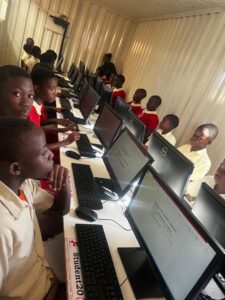
Every year, they extend this work by donating computer laboratories that provide more than 700 people living in underserved communities with access to digital technology and computer literacy. As the organisation continues to identify underserved communities and partner with schools to host computer labs, it is working to sustain and expand the initiative. The model is built on shared responsibility, with Computer Works Uganda and each beneficiary community making a 1:1 contribution. This approach encourages local ownership and helps ensure the long-term maintenance of the laboratories.
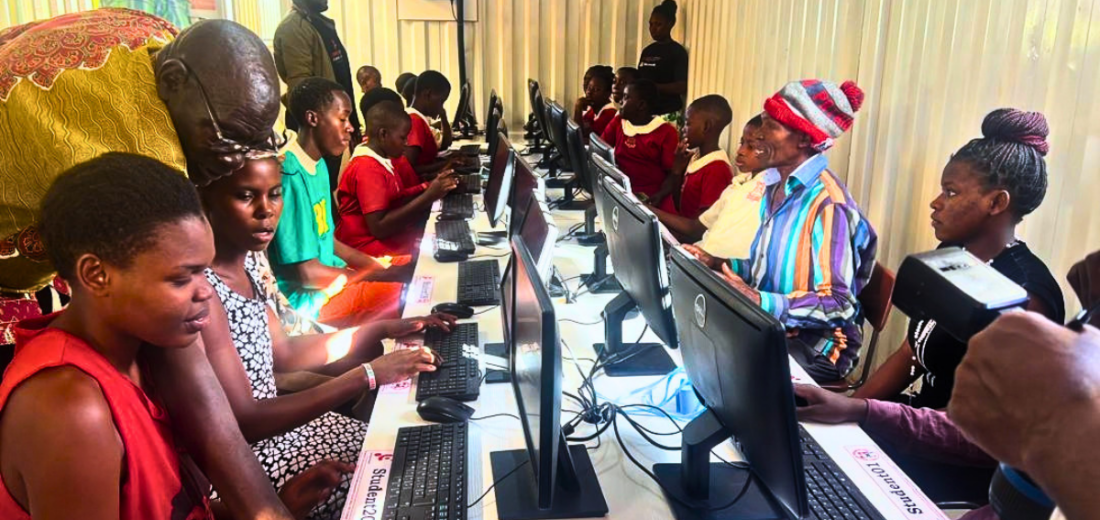
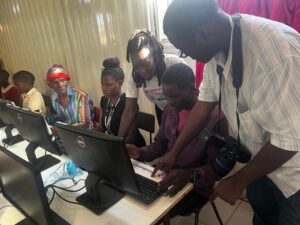
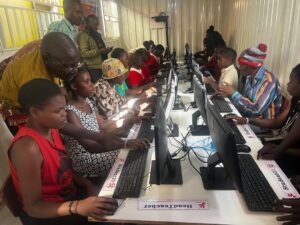
The latest beneficiary is the Nsambya Children Development Centre in Katwe, one of Kampala’s largest slum settlements. Here, Vice Versa Initiative recently witnessed the handover of a new computer laboratory equipped with more than 20 computers. The facility is open to all community members, whether or not they are enrolled in school. With support from teachers at the school, computer literacy is becoming accessible to more people across the neighbourhood.
In addition to virus-protected computer systems, every donated lab includes six months of paid internet access, educational resources, software installation, teacher orientation, maintenance support, and access to a shared community technology hub.
Community leaders in Katwe believe the facility will provide young people with a constructive alternative to alcohol abuse, drug use, and crime. “Instead of engaging in harmful activities, they can use their time to acquire valuable skills and improve their future through computer training,” said Mr Kwezi Shaban, the LC2 councillor.
The impact of these donations extends far beyond providing access to computers. They are also restoring confidence and hope among stay-at-home mothers and women who had long believed formal employment was beyond their reach. “With computer literacy, doing a white-collar job is an option for me as well,” an excited teenage mother stated. Young people were equally enthusiastic, explaining that access to computers would enable them to research industrial innovations, acquire new skills, and gain the knowledge needed to establish their own businesses.
A future without barriers
Kyakuwa’s vision is to see every Ugandan become digitally literate, regardless of where they are born or the circumstances in which they grow up. For him, access to technology should not be determined by geography, family income, or social background. “We are not simply giving young people access to computers; we are giving them the tools to discover their potential, develop new skills, and compete in a digital world,” Kyakuwa says. “A child in a remote village should have the same opportunity to learn technology as a child in any major city.”
The donated laboratories use modern multi-computer server systems and are supported by Computer Works Uganda technicians, who provide software installation, maintenance, and ongoing upgrades. Kyakuwa believes that affordable internet connectivity, including the expansion of satellite internet services, could transform education in Uganda’s most remote communities.
 “When reliable and affordable internet reaches rural schools, distance will no longer be a barrier to knowledge,” he says. “Our goal is to provide every school with a sustainable and cost-effective technology solution that can grow with its students.” For Kyakuwa, the greatest achievement is not the number of computers donated, but the lives changed through them. “Every young person who learns to use a computer gains more than a technical skill; they gain confidence, curiosity, and a greater belief in what their future can become,” he adds.
Leave a Reply