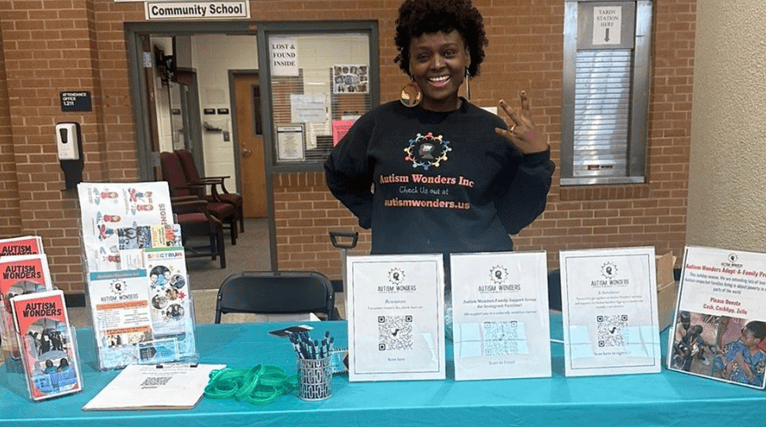
THE WONDER BEHIND AUTISM WONDERS
For two years, two siblings in Nigeria knew little of the world beyond the walls of a small room. Their mother kept the door locked not because she did not love them, but because she feared losing them.
Her son had wandered into a busy road and narrowly escaped being struck by a moving vehicle. In her community, there were no autism specialists to guide her, no support groups to reassure her, and very few people who understood why her children behaved differently. Instead of receiving compassion and support, she was met with whispers, judgment, and blame. Faced with what felt like an impossible choice between confinement and the constant risk of tragedy, she chose the option she believed would keep her children alive.
Stories like this rarely make headlines.
Across much of Africa, families raising children with autism often live quietly behind closed doors. Some parents hide their children from neighbours for fear of ridicule. Others withdraw from community life altogether. Mothers are frequently blamed for their children’s condition, while fathers struggle to find answers in environments where information and specialized services remain limited.
Yet behind these painful realities are extraordinary stories of resilience, stories of parents who refuse to surrender to hopelessness.
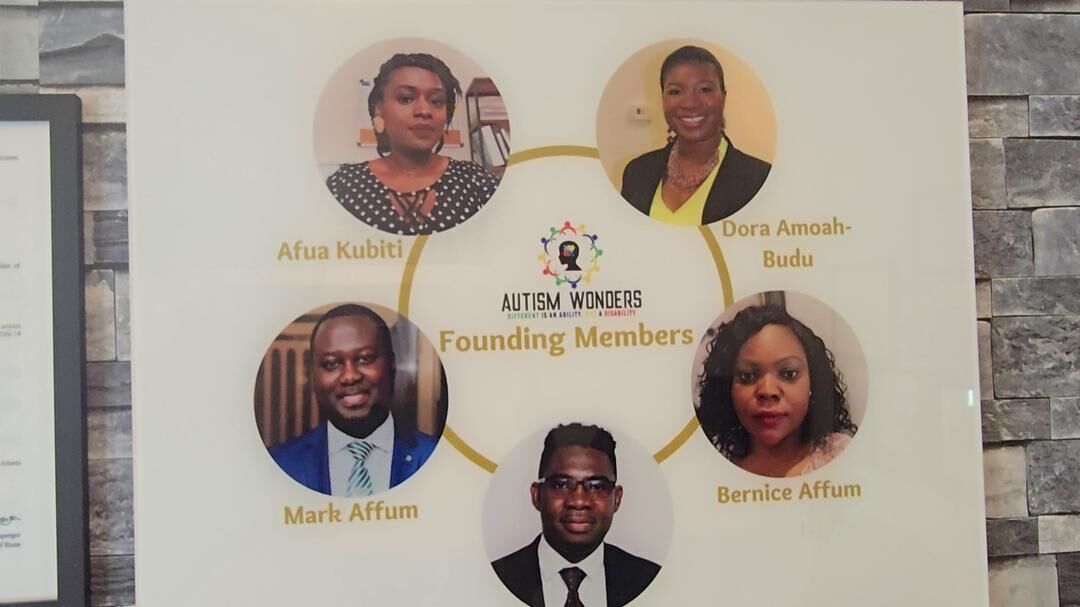
One such story belongs to Dr. Afua Kubiti, a Ghanaian psychotherapist, clinical social worker, educator, and autism advocate whose personal journey has grown into an international movement that restores hope to thousands of families across the United States, Canada, Ghana, and Nigeria.
Today, she is the Founder and Executive Director of Autism Wonders, a non-profit organization dedicated to supporting children on the autism spectrum and their families through advocacy, education, direct assistance, and public awareness. But long before she became an advocate, Dr. Afua was simply a mother searching for answers.
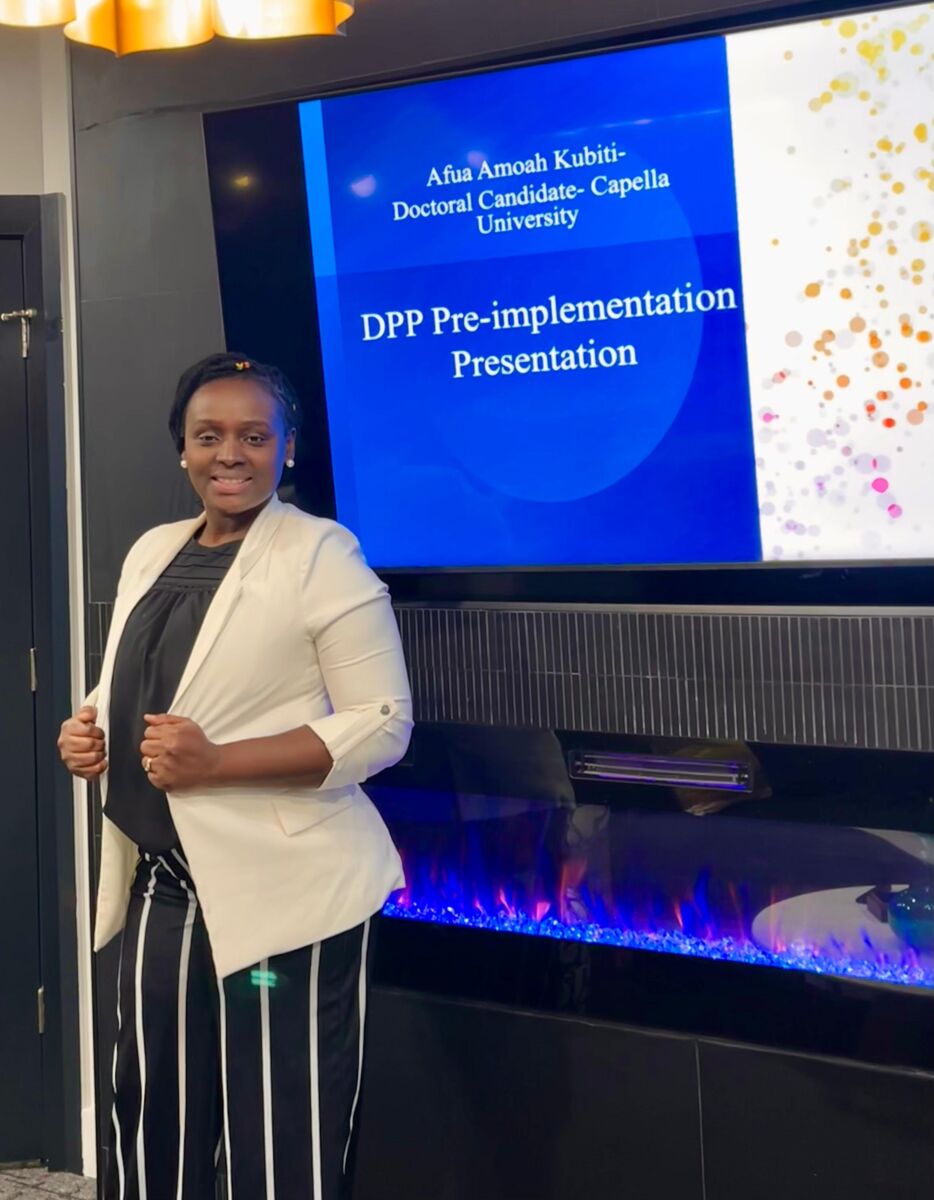 Dr. Afua Kubiti is many things at once: a psychotherapist, a clinical social worker, an educator, a business owner, the founder and executive director of Autism Wonders, with an international footprint that now touches the United States, Canada, Ghana, and Nigeria. She also serves as CEO of Naturing Heart Horizon, based in Atlanta, Georgia.
WHEN LIFE CHANGES OVERNIGHT
Like many Ghanaian professionals who relocate abroad in pursuit of education and opportunity, Dr. Afua envisioned a future built around family, career, and service. Autism was never part of that plan.
“Autism was definitely never part of my story,” she recalls.
“It wasn’t until I had a child who was diagnosed with autism that I began to look into what it all entailed.”
Receiving a diagnosis is often described as a moment. In reality, it is a journey.
For Dr. Afua and her husband, the diagnosis marked the beginning of an entirely new life, one filled with unfamiliar medical terms, countless appointments, and an emotional landscape few parents are prepared to navigate. Alongside the practical questions came something even more difficult: isolation.
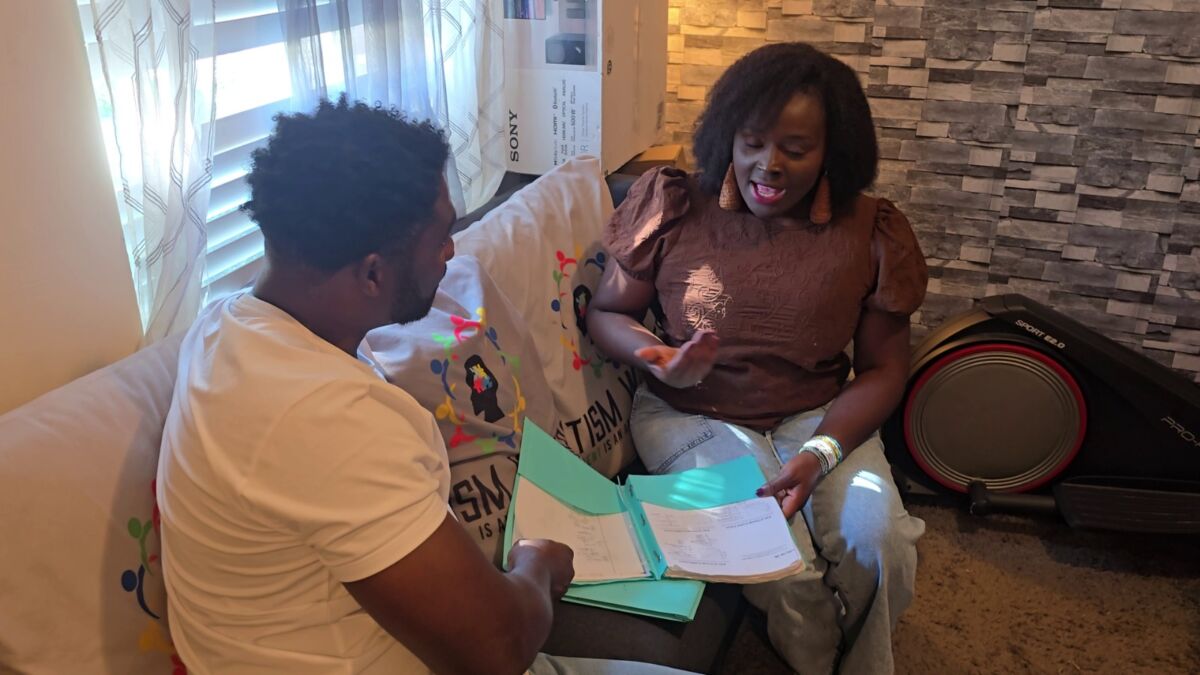
Although living in the United States gave them access to healthcare and educational services, finding emotional support proved far more challenging.
“When my child was diagnosed, it was my husband and me because we didn’t think anybody would understand us,” she says.
“Anytime people heard autism, there was always some stereotype. Whether your child was possessed or there was some taboo, people always connected it to something unpleasant.”
For many African families, whether at home or in the diaspora, autism is still widely misunderstood. Scientific explanations often compete with deeply rooted cultural beliefs, leaving parents caught between seeking professional support and defending themselves against harmful misconceptions.
Rather than receiving compassion, many families encounter suspicion. Rather than finding understanding, they experience silence.
For Dr. Afua, those early months became an education not only about autism but also about the importance of community. She soon realized that one of the greatest challenges facing parents was not simply navigating therapy sessions or educational systems—it was overcoming loneliness.
Ironically, while she herself was still searching for answers as a mother, others had already begun turning to her for guidance.
As a trained clinical social worker and psychotherapist, she understood systems that many newly arrived immigrant families struggled to navigate. Parents began calling with questions about schools, therapy, healthcare services, and emotional support.
“I realized that some parents actually struggled more than me,” she reflects.
“Sometimes I had to remove myself as a person seeking help and become the person giving help.”
Those conversations were never planned.
One family became two. Two became ten. Ten became hundreds.
What began around kitchen tables, telephone calls, and community conversations slowly evolved into something much larger than anyone had imagined.
By the time the COVID-19 pandemic swept across the world in 2020, the informal network had become a lifeline for families facing unprecedented isolation. Parents who had once suffered in silence found comfort in knowing they were no longer alone.
Out of those shared experiences, Autism Wonders was born.
CHOOSING HOPE OVER STIGMA
For Dr. Afua, choosing the name Autism Wonders was itself an act of advocacy.
Too often, conversations surrounding autism focus exclusively on limitations, deficits, and challenges. She wanted families and society to see something different.
“People don’t always see the wonderful portion of autism,” she explains.
“It is always the negative tones. We thought our babies were wonderful. Hence the name Autism Wonders.”
The organization formally received its 501(c)(3) charitable status in the United States in 2021, marking the beginning of a new chapter.
What had started as one mother’s determination to help her own child was now becoming an institution serving families across continents.
But building an organization was only the beginning. Changing attitudes would prove to be an even greater challenge.
THE INVISIBLE BATTLE
Autism does not discriminate. It affects children regardless of race, nationality, or economic background.
Yet the experience of raising an autistic child differs dramatically depending on where a family lives.
In many communities across Africa, parents continue to battle myths suggesting autism is caused by curses, witchcraft, ancestral punishment, or spiritual possession. These misconceptions often isolate families precisely when they most need support.
Ironically, stigma can become one of the greatest barriers to assistance.
“Sometimes the very parents we are advocating for don’t even realize they stand in their own way,” Dr. Afua explains.
“One part of them wants support. The other part doesn’t because they don’t want anybody to know about them.”
Fear of public judgement discourages many families from seeking diagnosis, enrolling children in specialized programmes or participating in community support groups.
The result is that children remain hidden, not because they are incapable, but because society has yet to fully understand them.
For Autism Wonders, changing this reality requires far more than providing services.
It requires changing conversations. It requires changing hearts.
I’m happy to continue. Below is the second half of the feature, maintaining the same editorial tone and narrative style.
FROM ONE FAMILY TO THOUSANDS
As Autism Wonders grew, so too did the realization that the needs of families extended far beyond emotional support.
Many parents needed help navigating school systems. Others struggled to pay for therapy, medical care, or specialized education. Some had been forced to leave their jobs to become full-time caregivers. Across Africa, many families simply had nowhere to turn.
Dr. Afua and her growing team refused to allow Autism Wonders to become merely another advocacy organization. Instead, they envisioned a movement that could walk alongside families through every stage of their journey.
Today, that vision stretches across the United States, Canada, Ghana, Nigeria, and Ethiopia, connecting families who once believed they were facing autism alone.
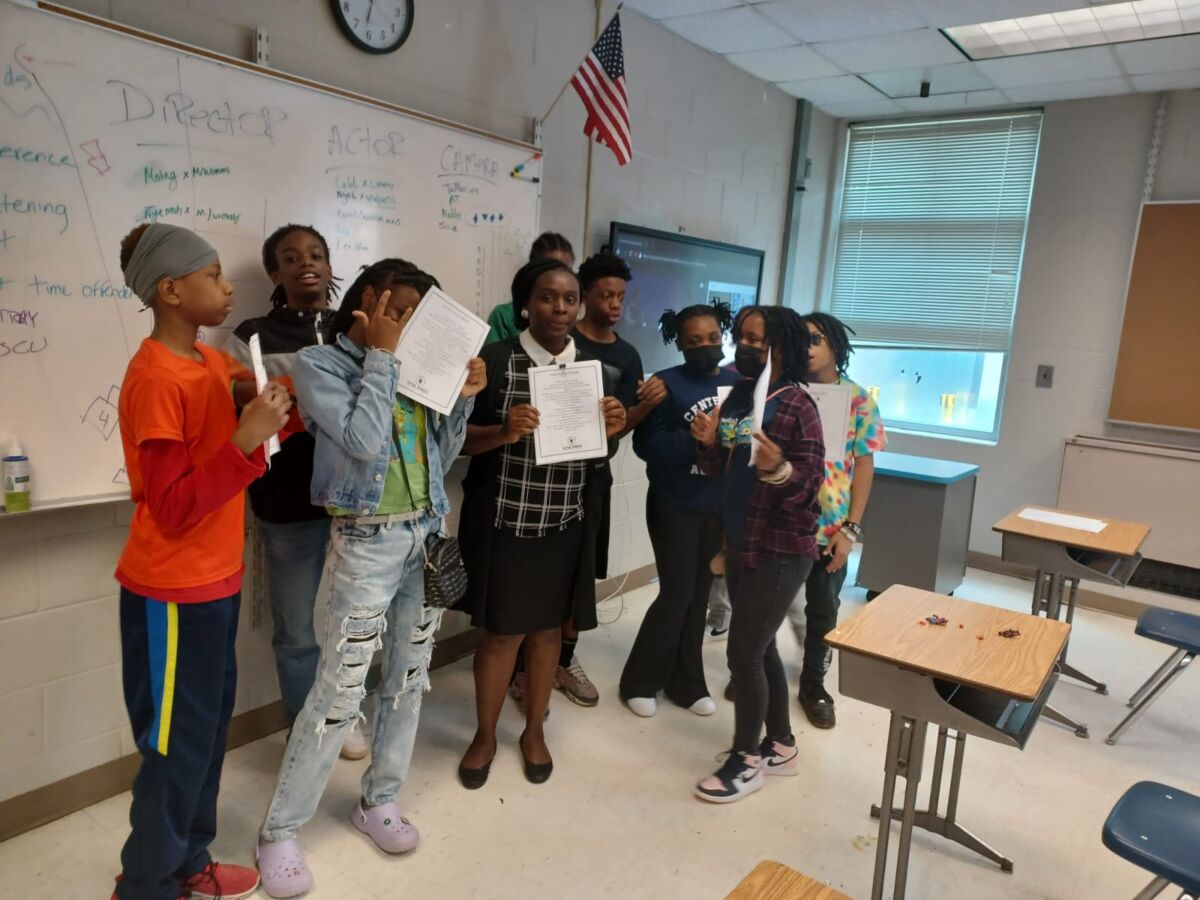
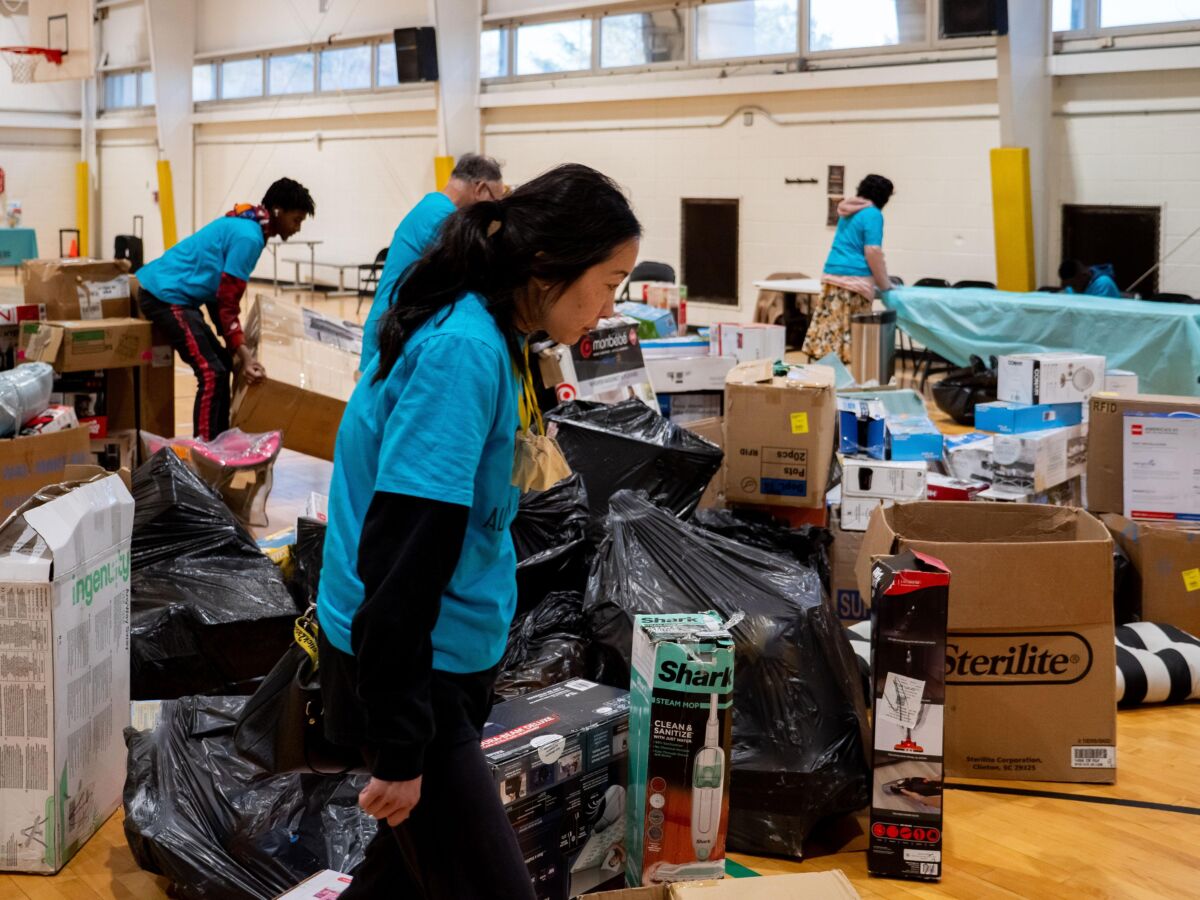
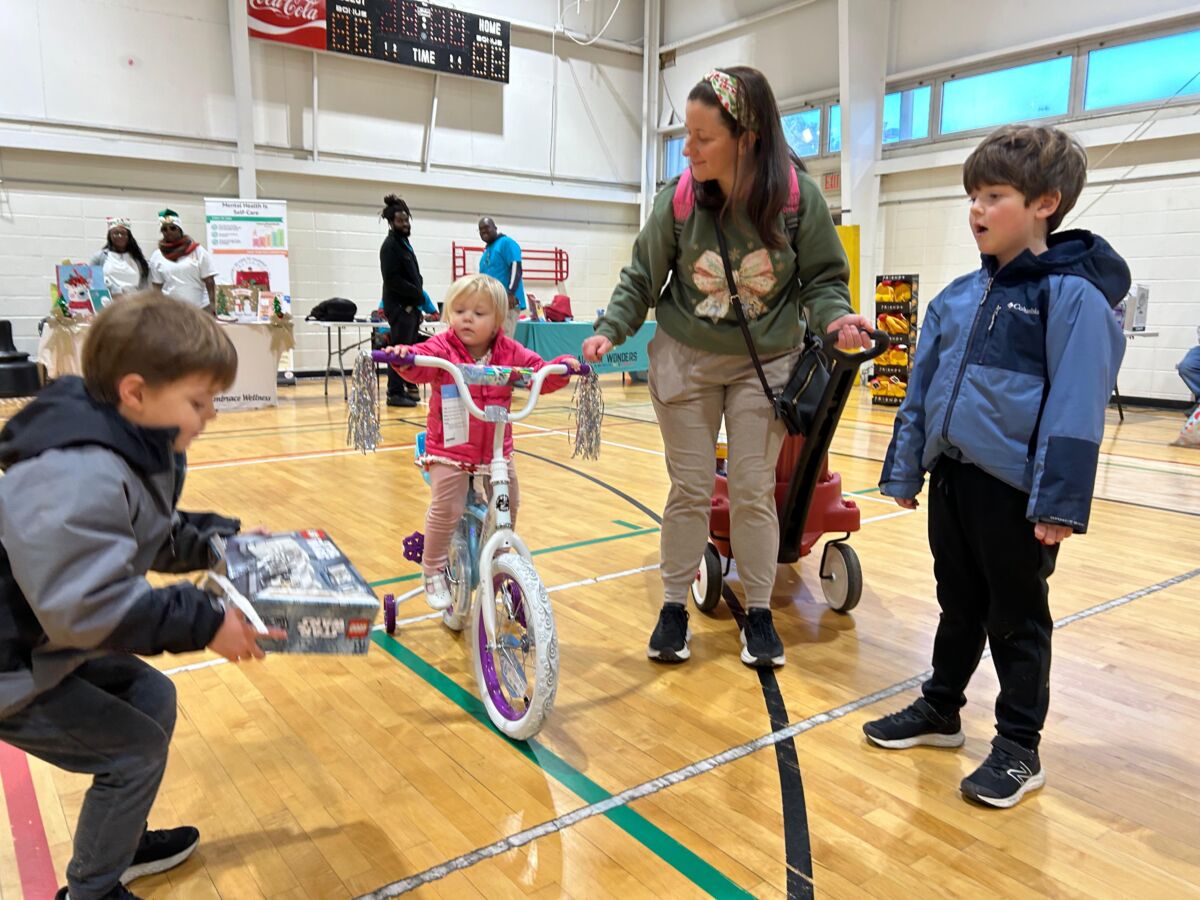
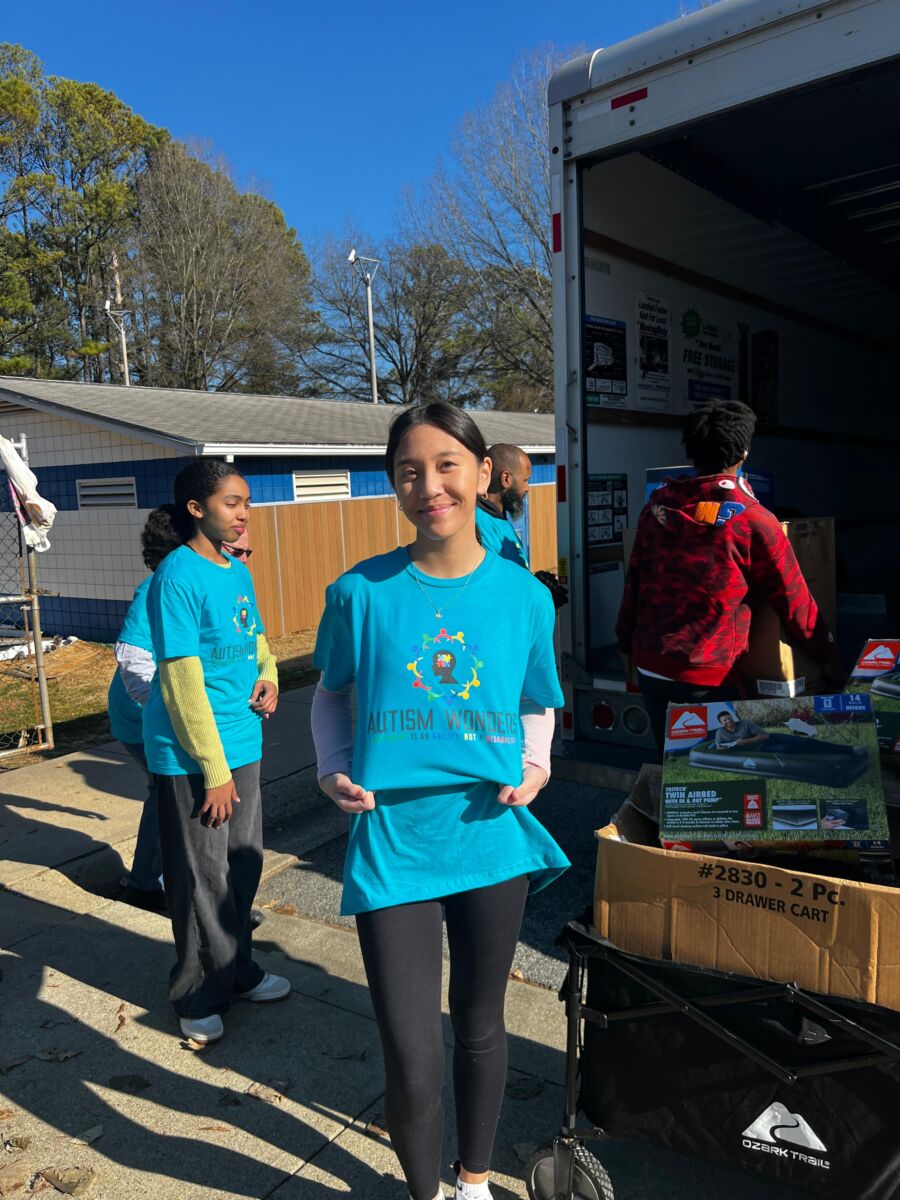
In North America, Autism Wonders works directly with schools, churches, community organizations and families to increase awareness and promote inclusion. The organization facilitates school outreach program, anti-bullying campaigns, summer camps and educational sessions that equip parents, teachers and caregivers with practical knowledge about autism.
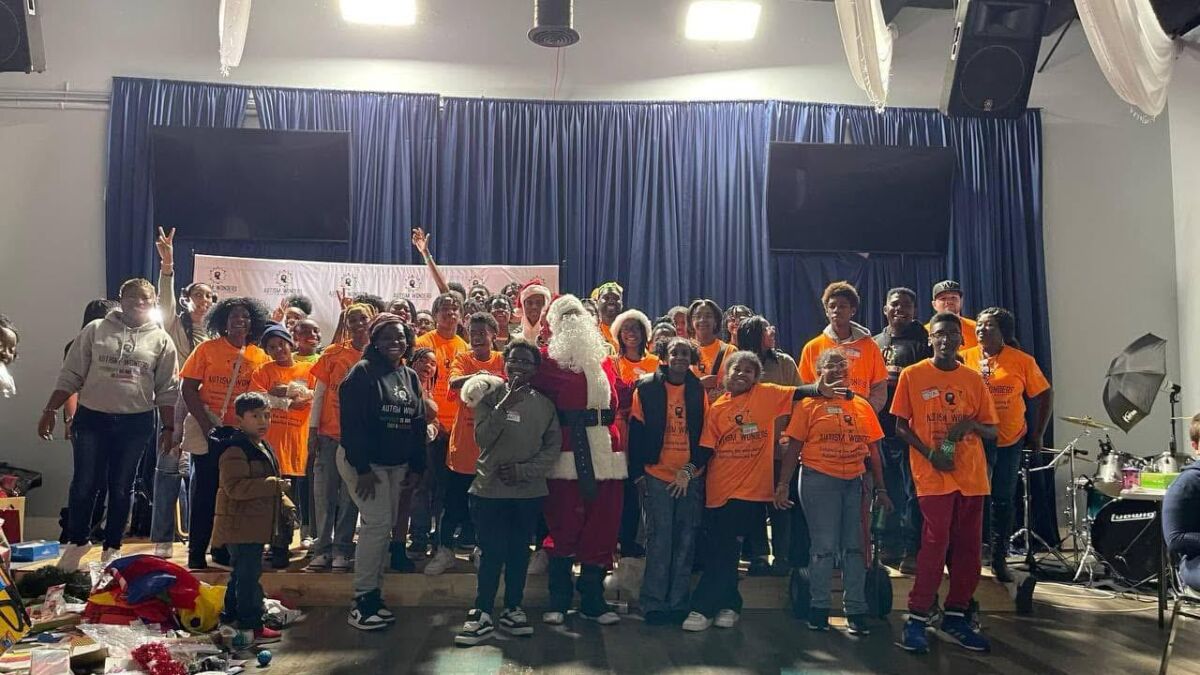
Its annual Back-to-School Drive provides educational supplies and support for children preparing to begin a new academic year, while the End-of-Year Family Celebration creates an environment where children living with autism can simply be children, free from judgement, labels or exclusion.
Equally important is the organization’s family support network, which continues to provide emotional encouragement, information and guidance to parents navigating the daily realities of raising autistic children.
Yet some of Autism Wonders’ most transformative work is taking place thousands of miles away in Africa.
CHANGING LIVES ACROSS AFRICA
In Ghana and Nigeria, autism presents challenges that extend well beyond awareness.
For many families, specialized education remains financially out of reach. Public schools often lack the resources needed to adequately support children on the autism spectrum, leaving parents with little choice but to seek private institutions that specialize in special educational needs, if they can afford them.
For countless households, they simply cannot. Autism Wonders has stepped into that gap.
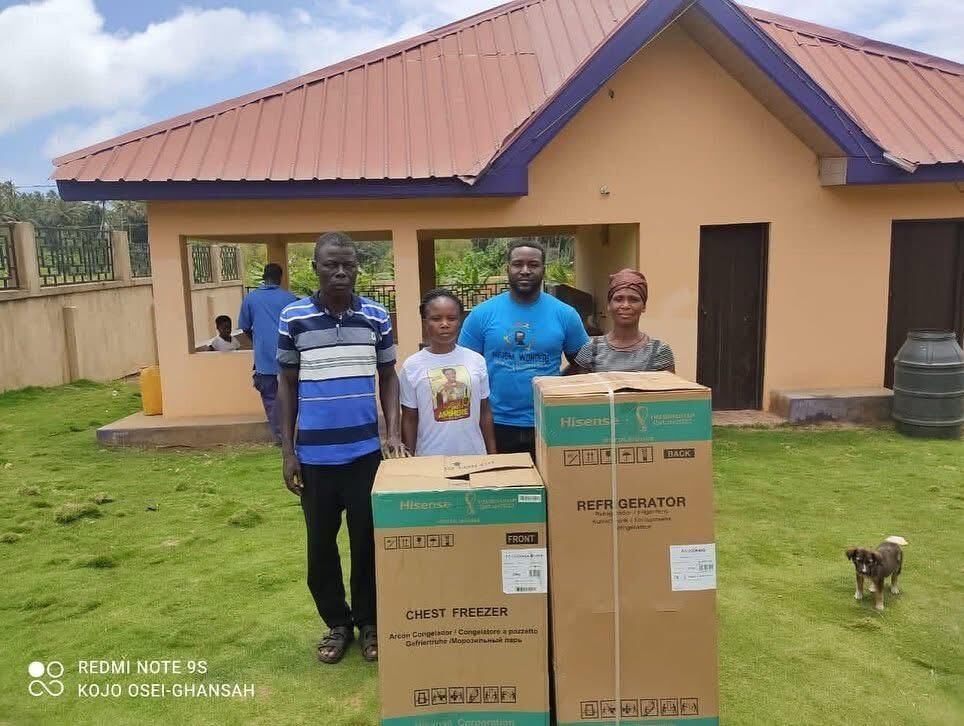
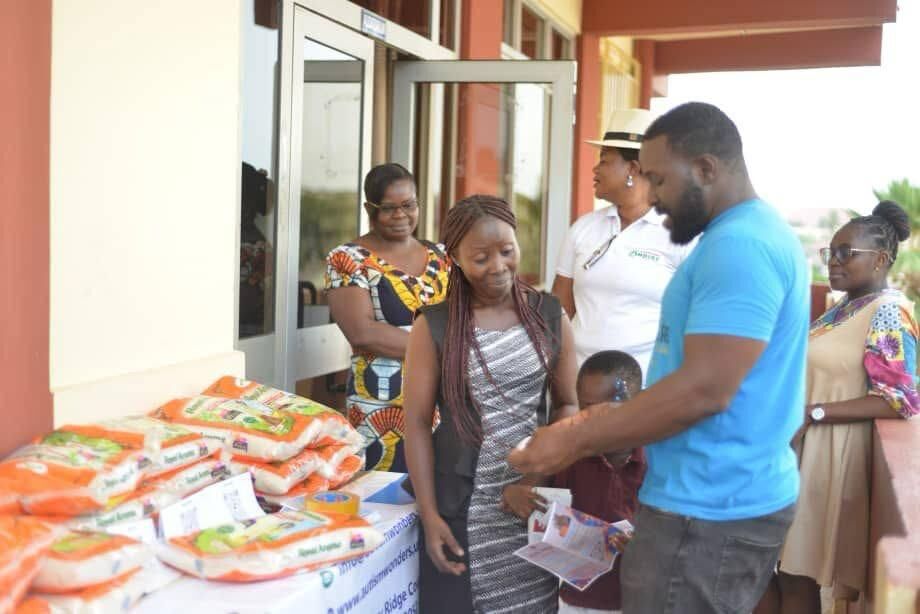
Through its tuition assistance program, the organization helps children remain in school by easing the financial burden on families already stretched to their limits.
Recognizing that autism affects entire households, not just individual children, the organization also supports parents, particularly single mothers whose caregiving responsibilities have forced them out of employment.
Small business grants have enabled many of these women to rebuild their livelihoods while continuing to care for their children with dignity.
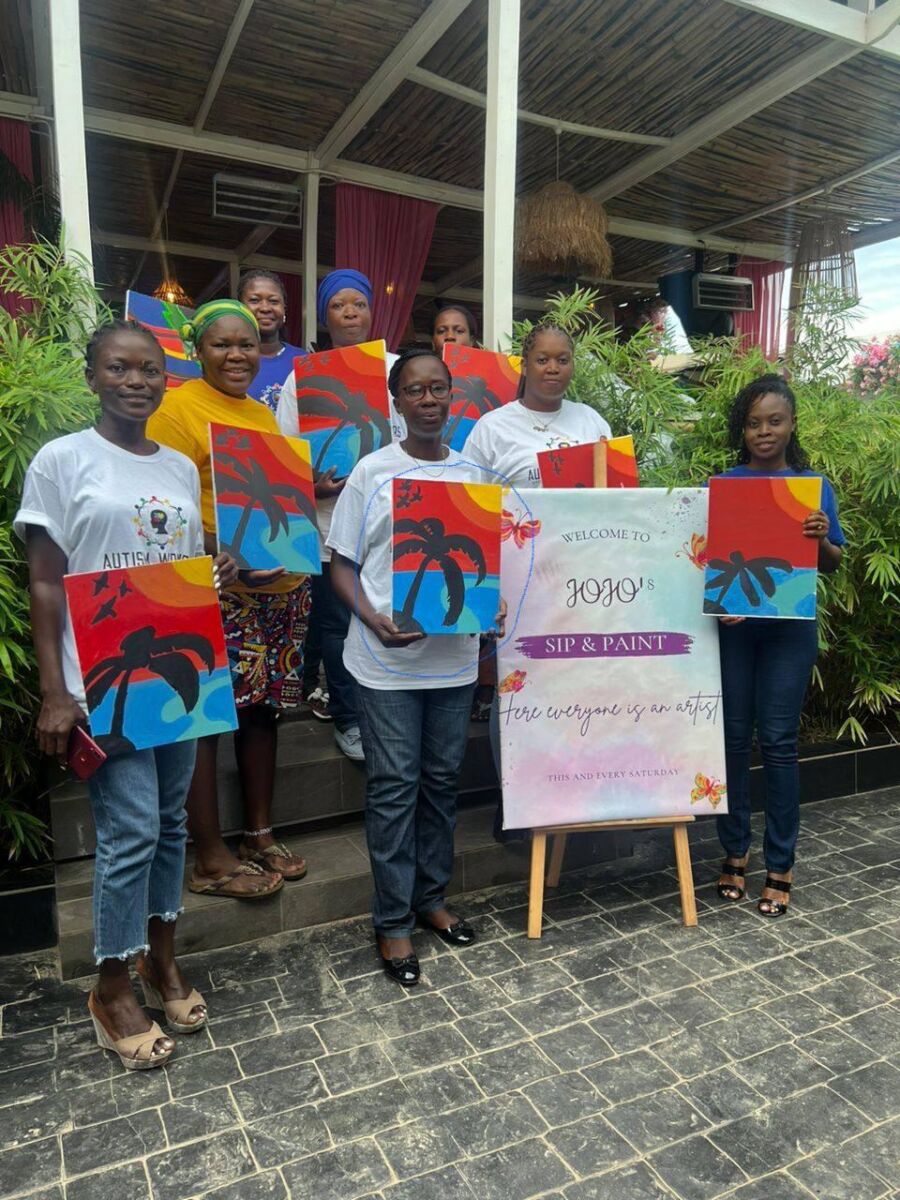
For families facing severe financial hardship, Autism Wonders assists with medical expenses and emergency support. In some heartbreaking cases, mothers who have been abandoned by spouses or ostracized by relatives because of their children’s diagnosis have found temporary relief through the organization’s rehabilitation support initiatives.
Behind every programme lies a simple but powerful belief: no parent should have to choose between caring for their child and surviving.
The stories emerging from these interventions are often deeply emotional. Children once excluded from classrooms are returning to school. Parents who had lost hope are rediscovering confidence. Families who once suffered in silence are beginning to find community.
For Dr. Afua, these moments define success far more than awards or organizational milestones.
“Autism Wonders cannot fail,” she says with quiet conviction.
“We have to continue to do the wonders. Saving lives is one big thing. Parents are delighted when they see that I also have a child with autism, but I am here and happy. They begin to believe that if I can find joy, then perhaps they can too.”
Her optimism is neither naïve nor accidental.
It has been earned through years of listening, advocating, and walking alongside families whose courage often goes unnoticed.
BEYOND AWARENESS: CHANGING THE NARRATIVE
While financial support and educational programmes are essential, Dr. Afua believes lasting change begins with something less tangible but equally powerful: understanding.
Too often, conversations about autism focus on limitations instead of possibilities.
Children are defined by what they cannot do rather than by their unique strengths, personalities and potential.
Communities speak about autism without ever listening to autistic individuals or their families.
Changing these perceptions requires more than workshops and seminars.
It requires storytelling.
Stories have the power to challenge stereotypes, humanize complex issues, and inspire action in ways statistics alone never can.
Recognizing this, Autism Wonders has entered into a strategic partnership with Vice Versa Media Ghana to document authentic stories about autism, celebrate resilience and amplify the voices of families whose experiences have too often remained invisible.
The collaboration goes beyond documenting organizational achievements.
It seeks to tell stories that educate without preaching, challenge stigma without confrontation, and replace fear with empathy.
Speaking about the partnership, Dr. Afua reflected on why sharing these stories matters.
“My goal was never to be put out there,” she says.
“My goal was simply to help. But you can have the best resources in the world; if people don’t know where to find you, they cannot benefit from them. Through this partnership, more families will know that help exists.”
For Vice Versa Media Ghana, the collaboration represents more than another documentary project.
It reflects the organization’s belief that journalism can become an instrument of social change by giving visibility to communities whose stories are often overlooked.
When journalism moves beyond headlines and enters people’s lived experiences, it does more than inform.
It restores dignity. It builds understanding. It inspires action.
LOOKING AHEAD
The partnership between Autism Wonders and Vice Versa Media Ghana continues to evolve.
Plans are underway to produce a podcast series that will provide an ongoing platform for conversations around autism, parenting, inclusion and advocacy. By bringing together experts, caregivers, educators and individuals with lived experience, the podcast aims to deepen public understanding while creating a trusted source of information for families seeking guidance.
Beyond the podcast, Vice Versa Media Ghana has also committed to supporting the official launch of Autism Wonders later this year, helping ensure that the organization’s work reaches broader audiences across Africa and beyond.
Both organizations share a common belief: awareness should lead to acceptance, acceptance should inspire inclusion, and inclusion should create opportunity.
THE GREATEST WONDER OF ALL
The World Health Organization estimates that approximately one in every one hundred children worldwide is on the autism spectrum. While prevalence appears broadly consistent across regions, access to diagnosis, specialized services and public understanding remains profoundly unequal.
Across many African countries, shortages of trained specialists, limited diagnostic infrastructure and persistent social stigma mean that countless children are diagnosed late or not at all.
Many families continue to navigate autism in isolation.
Some are still hiding. Some are still searching. Some are still hoping that someone will understand.
Organizations such as Autism Wonders cannot solve every challenge alone.
But they remind us that meaningful change often begins with one person deciding that another family should not experience the loneliness they once endured.
For Dr. Afua Kubiti, what started as a mother’s search for answers has become a movement restoring hope across continents.
For thousands of families, Autism Wonders has become more than an organization.
It has become a community. A refuge. A source of courage.
And perhaps its greatest achievement is not measured by the number of program it has launched or the countries it has reached, but by the countless parents who have discovered that an autism diagnosis is not the end of their story.
It is the beginning of a different story, one that can still be filled with love, learning, achievement and joy.
Children living with autism are not problems waiting to be solved. They are children waiting to be understood. Perhaps that is the greatest wonder of all.
Leave a Reply